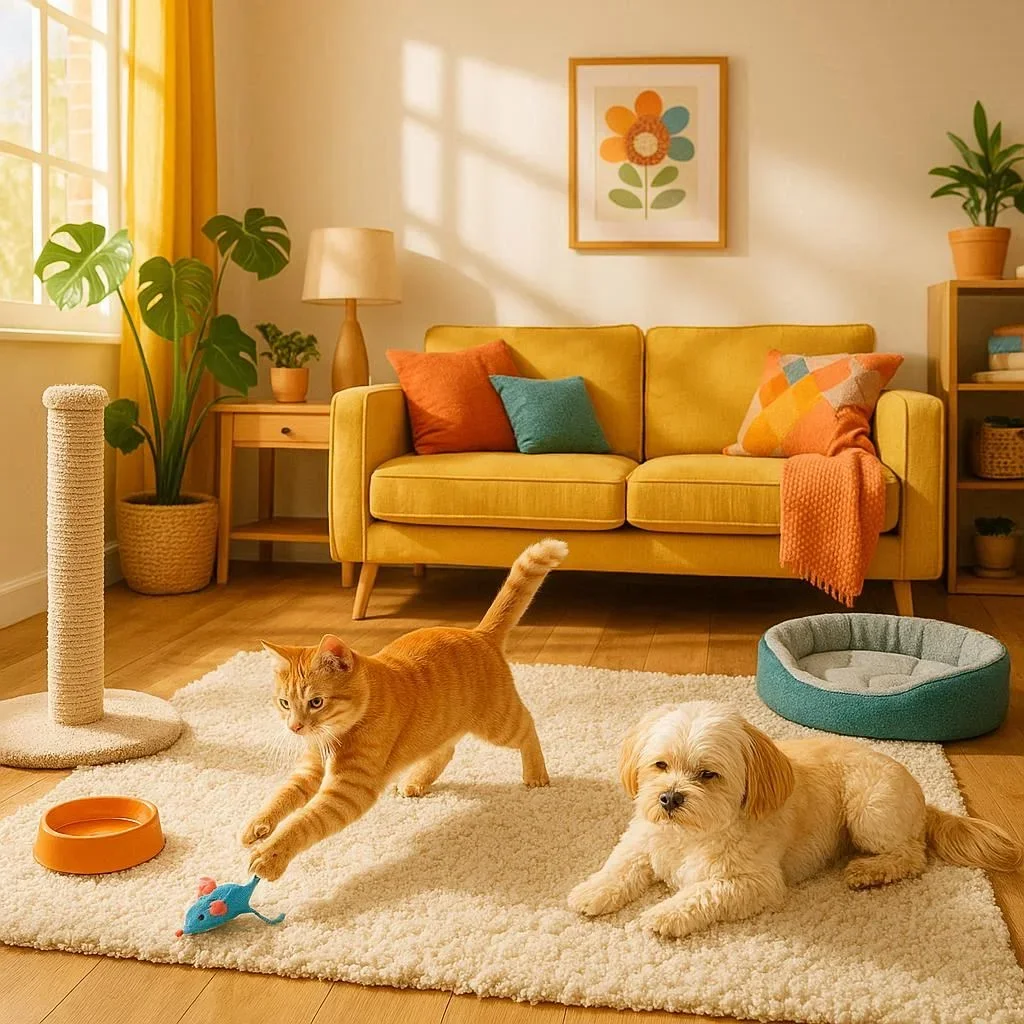
How to Add Puzzles and Games to Your Pet’s Play Space
Adding puzzles and games to your pet’s play area isn’t just a fun idea—it’s an essential part of responsible pet care. By offering mental challenges, you can reduce destructive behavior, keep your animal physically active, and strengthen the bond you share. Below is a detailed, step‑by‑step guide on how to turn a simple corner into an engaging enrichment hub.
1. Understand Your Pet’s Play Needs
Why Mental Stimulation Matters
The American Veterinary Medical Association (AVMA) highlights that animals with limited mental challenges often develop behavioral issues such as chewing, pacing, or excessive barking. Research published in the Journal of Veterinary Behavior shows a direct correlation between enrichment and a decrease in anxiety-related behaviors. By integrating puzzles, you provide necessary outlets for curiosity and problem‑solving.
Tailor Activities to Species and Size
| Species | Typical Intelligence Level | Recommended Puzzle Types |
|———|—————————-|————————–|
| Dog | High (learns tricks quickly) | Treat‑dispensing toys, scent trails |
| Cat | Moderate | Hide‑and‑seek boxes, interactive laser games |
| Small Dog | High | Puzzle feeders, DIY hide‑and‑seek toys |
| Large Dog | High | Obstacle courses, tug‑and‑find games |
Use this table as a starting point and adjust based on your pet’s age, health, and personality.
2. Essential Puzzle Category Overview
- Treat‑Dispensing Toys – Encourage foraging while rewarding with food rewards.
- Riddle or Hide‑and‑Seek Toys – Teach problem‑solving by hiding treats within a multi‑layered container.
- Shape‑Sorting Challenges – Great for puppies and senior dogs to improve manual dexterity.
- Scent‑Based Games – Utilize the animal’s powerful nose to locate hidden rewards.
- Interactive Digital Apps – Some cats and larger dogs engage with motion‑sensing screens.
Each category can be adapted or combined for layered enrichment.
3. DIY Puzzle Ideas
Below are three ready‑to‑make puzzle projects that cater to budget‑conscious pet lovers. Always supervise your animal during the first few play sessions.
3.1. Hide‑and‑Seek Muffin Tin
Materials
- Empty muffin tin
- Tennis ball or small blanket
- Treats or small kibble
Instructions
- Place 3‑4 treats in separate cups of the tin.
- Cover each cup with a tennis ball or blanket.
- Let your pet sniff and figure out how to remove the covers to get the treats.
Safety Note – Ensure the balls/blankets are non‑toxic and sized appropriately for your pet’s mouth.
3.2. Rolling Treat Bubbles
Materials
- Clean, food‑safe plastic bottle with a lid
- Treats
Instructions
- Remove the lid and add a small amount of treats.
- Seal the bottle and roll it across the play area.
- Watch your pet try to unseal and retrieve the treats.
Benefit – Stimulates curiosity and fine motor skills.
3.3. Scent‑Trail Maze
Materials
- Non‑toxic scented oil or safe pet perfume
- Rolling pins or flat board
- Treats
Instructions
- Use the rolling pins to create a winding path on a flat surface.
- Dab each segment with a tiny drop of the scent and a treat.
- Allow your pet to follow the scent, encouraging them to navigate the trail.
Tip – Use essential oils safe for pets like lavender; avoid citrus or eucalyptus.
4. Commercial Enrichment Tools
- KONG Classic – A durable rubber treat dispenser.
- Outward Hound Hide‑a‑Spoon – A puzzle that hides toys under foam cups.
- PetFusion Interactive Treat Ball – An automatic toy that dispenses food when manipulated.
- Smart Toy Apps – Platforms like Doggo or Pet Koo provide digital games for smart species.
When selecting commercial products, read reviews and verify that materials are non‑toxic. The Humane Society’s Enrichment Recommendations list safe pet supplies.
5. Safety and Health Considerations
| Potential Risk | Mitigation Strategy |
|—————–|———————|
| Choking hazards | Use appropriately sized toys; inspect for cracks. |
| Ingestion of non‑food items | Select food‑grade materials; supervise. |
| Over‑excitement | Start with short sessions; use positive reinforcement. |
| Allergies to new materials | Check for allergies in your pet’s diet first. |
If your pet displays signs of discomfort—such as vomiting or labored breathing—immediately discontinue the game and consult your veterinarian.
6. Incorporating Puzzle Play into Daily Routine
| Time of Day | Suggested Activity | Duration |
|————–|———————|———-|
| Morning | Treat‑dispensing feeder | 10‑15 minutes |
| Mid‑afternoon | Hide‑and‑seek toy | 10 minutes |
| Evening | Scent‑trail maze | 5‑8 minutes |
Consistency is key. Even a brief daily puzzle session contributes to long‑term cognitive health. Use a reward‑based system to reinforce problem‑solving, and keep sessions upbeat and short to avoid overstimulation.
7. Tracking Progress and Adjusting Difficulty
- Behavior Log – Record how many treats your pet retrieves and the time taken.
- Difficulty Scale – Move from easy (multiple visible treats) to hard (hidden treats, longer path).
- Feedback Loop – If your pet gets frustrated, simplify the puzzle.
This methodical approach allows both you and your pet to enjoy a game of “increase difficulty” rather than stress.
8. The Science Behind Enrichment
Studies from the Applied Animal Behaviour Science journal confirm that mentally stimulated pets show decreases in aggression and anxiety. According to a 2021 review by the International Journal for Zoonoses & Public Health, environmental enrichment improves overall welfare and extends lifespan.
Credible sources: Wikipedia – Animal enrichment, AVMA Enrichment Resources and American Kennel Club – Mental Stimulation.
9. Practical Tips for Busy Pet Parents
- Batch Puzzle Creation – Prepare multiple toys overnight.
- Use Household Items – Empty toilet paper rolls, egg cartons, or muffin tins can become instant puzzles.
- Rotate Toys – Keep novelty high by switching puzzles weekly.
- Record Video – See how your pet interacts and share results on social media to inspire others.
10. Conclusion and Call‑to‑Action
Transforming a simple corner into a dynamic play space is easier than you think. By combining DIY projects, commercial toys, and a structured routine, you can provide your pet with the sensory stimulation they crave—while also deepening your bond.
Ready to get started? Pick one puzzle from the list, gather your materials, and watch your beloved companion discover a new world of fun right at home. Share your favorites or create a video of your pet’s first triumph—the world of pet enrichment awaits! If you enjoyed this guide, comment below or follow us for more animal‑friendly lifestyle tips.
AVMA Resources | Wikipedia – Animal Enrichment | AKC – Mental Stimulation