The Best Small Pets for Apartment Living
Apartment living doesn’t mean you can’t enjoy the companionship of a pet. Many small animals are well-suited to life in confined spaces, offering both joy and stress relief. This guide explores the best small pets for apartment dwellers, highlighting their needs and benefits.
1. Hamsters
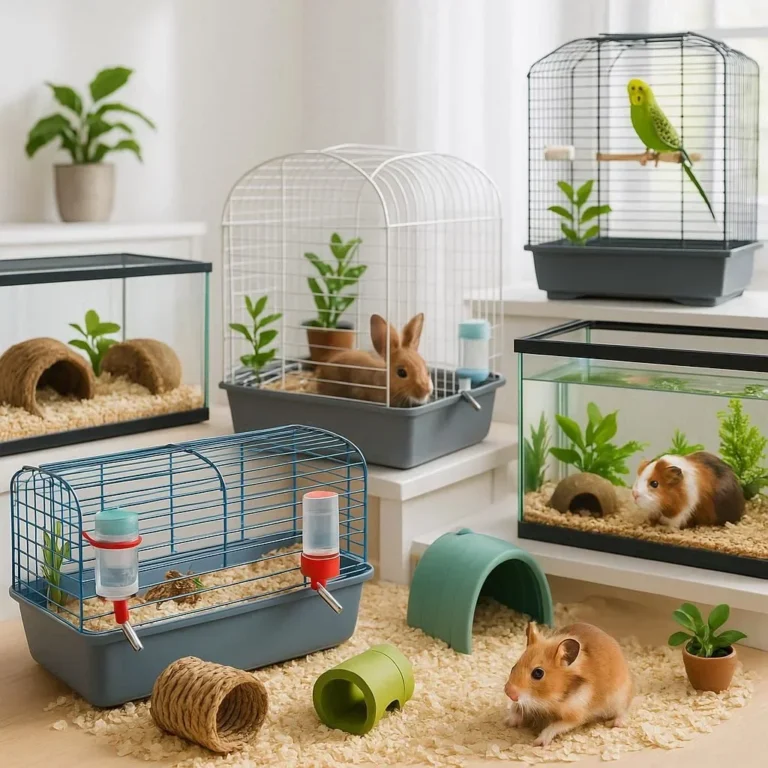
Hamsters are popular due to their tiny size and low-care requirements. They are nocturnal, so they sleep during the day, making them ideal for busy schedules. Popular breeds include Syrian and Dwarf hamsters. Their small cages fit perfectly in compact spaces, and they are relatively quiet.
Pros:
- Affordable
- Quiet
- Minimal space needed
Cons:
- Short lifespan
- Nocturnal
Care Tips:
- Provide hiding places and toys.
- Clean their cage weekly.
- Ensure a balanced diet.
For more on caring for hamsters, visit Wikipedia.
2. Guinea Pigs
Guinea pigs are social, gentle, and perfect for families. They require more space than hamsters but still thrive in a well-ventilated cage. Handling them regularly promotes tameness.
Pros:
- Social
- Gentle
- Affectionate
Cons:
- Require larger cages
- Need companionship
- Short lifespan
Care Tips:
- Provide hay, grass, and fresh veggies.
- Clean their cage regularly.
- Offer hiding places.
3. Birds (Canaries and Budgies)
Birds like canaries and budgies add vibrancy and song to small spaces. They require a cage with room to fly and social interaction or toys. They are generally quiet and low-maintenance.
Pros:
- Beautiful songs
- Colorful
- Entertaining
Cons:
- Need regular interaction
- Noise potential
Care Tips:
- Provide a spacious cage.
- Offer a balanced diet.
- Spend time with your bird daily.
4. Fish
Fish are perfect for those who want low-interaction pets. They create a calming environment and are easy to care for with a small aquarium. They are ideal for busy people.
Pros:
- Calming Presence
- Low Maintenance
- visually appealing
Cons:
- Limited interaction
- Initial setup cost
Care Tips:
- Maintain clean water.
- Choose compatible species.
- Avoid overfeeding.
5. Turtles
Turtles are low-maintenance and quiet, requiring a tank with water and land. They are long-lived, making them a long-term commitment.
Pros:
- Slow-moving
- Quiet
- Unique
Cons:
- Specialized care
- Long lifespan
- Expensive setup
Care Tips:
- Provide UVB lighting.
- Maintain clean water.
- Offer a varied diet.
6. Cats
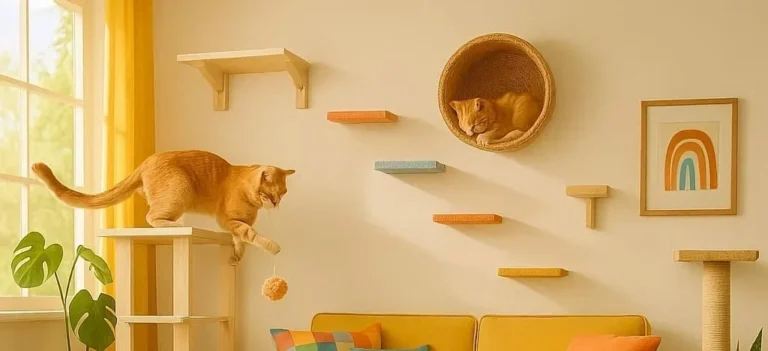
Cats are popular apartment pets, especially breeds like Siamese, Persian, and Maine Coon. They require attention but are flexible with space.
Pros:
- Loyal
- Low Maintenance
- entertaining
Cons:
- Require attention
- Shedding
- Allergies
Care Tips:
- Provide toys.
- Groom regularly.
- Ensure scratching posts.
7. Rabbits
Rabbits are intelligent and social, needing a spacious cage and playtime. They are quiet if well-cared-for and can be litter-trained.
Pros:
- Friendly
- inteligent
- Social
Cons:
- Need space
- Requires attention
- Strong chewers
Care Tips:
- Offer hay, veggies, and pellets.
- Ensure exercise.
- Provide hiding places.
8. Insects (Tarantulas)
For arachnophiles, tarantulas are low-maintenance and fascinating, requiring a terrarium with substrate and a heat source.
Pros:
- Quiet
- Low Maintenance
- Interesting
Cons:
- Not cuddly
- Feeding challenges
Care Tips:
- Provide substrate,
- Maintain temperature.
- Feeding live prey.
Important Considerations for Apartment Pet Ownership
Before choosing, consider space, noise, landlord policies, and allergies. Ensure transparency with neighbors.
Tips for Success
- Research: Ensure the pet fits your lifestyle.
- Budget: Plan for initial and ongoing costs.
- Veterinary Care: Find a nearby vet.
- Time Commitment: Consider your availability.
Conclusion
Small pets bring joy to apartment living, offering various options to suit every lifestyle. Choose wisely and provide a loving home.
If this guide helped, share your apartment pet experiences in the comments or share this post.
References
- For more on pet care, visit ASPCA.