How to Spot Signs of Illness Early in Small Pets
As a dedicated pet owner, ensuring the health and well-being of your small pet is a top priority. Early detection of illness can make a significant difference in treatment outcomes and improving your pet’s quality of life. However, recognizing signs of sickness in small animals, such as hamsters, gerbils, rabbits, guinea pigs, and even cats or dogs, can be challenging due to their size and often subtle symptoms.
In this guide, we’ll walk you through the key signs of illness to watch for in small pets, how to monitor their health effectively, and when to seek veterinary care. By being proactive and observant, you can help your furry friend live a longer, healthier life.
Understanding Common Illnesses in Small Pets
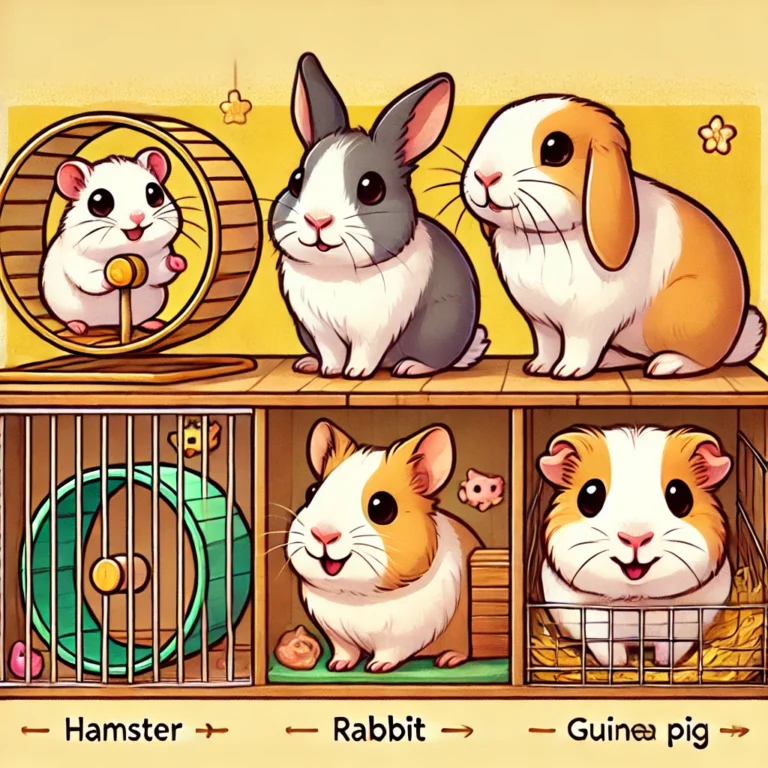
Small pets, particularly exotic species like hamsters and rabbits, are prone to certain health issues due to their genetic makeup and environmental factors. Some common illnesses include respiratory infections, gastrointestinal problems, parasites, and metabolic disorders. Early detection often relies on recognizing behavioral and physical changes.
According to the American Society for the Prevention of Cruelty to Animals (ASPCA), many small pets hide signs of illness until they are severely unwell, making it crucial for owners to stay vigilant.
Key Signs of Illness in Small Pets
Spotting early signs of illness requires a close eye on your pet’s daily behavior, appetite, and physical condition. Here are some common indicators that your small pet may be unwell:
1. Changes in Appetite
Loss of Appetite: If your pet stops eating or shows less interest in food, it could signal distress or illness. For example, rabbits and guinea pigs are herbivores with high metabolisms; skipping meals can lead to serious health issues quickly.
Overeating or Rapid Food Consumption: While less common, some pets may overeat due to stress or metabolic disorders.
2. Weight Loss or Gain
Unexplained Weight Loss: A sudden drop in weight, especially in pets like hamsters or gerbils, can indicate conditions such as diabetes, dental problems, or gastrointestinal infections.
Weight Gain: Obesity in small pets, particularly in animals like guinea pigs, can lead to secondary health issues such as heart disease or joint problems.
3. Lethargy or Limping
Lack of Energy: If your pet is unusually inactive, avoids play, or seems lethargic, it could be a sign of pain or infection.
Limping: Limping in small pets may indicate injuries, fractures, or arthritis, especially in older animals.
4. Changes in Stool or Urine
Diarrhea or Blood in Stool: Gastrointestinal issues are common in small pets. Diarrhea or blood in stool can signal infections, parasites, or dietary imbalances.
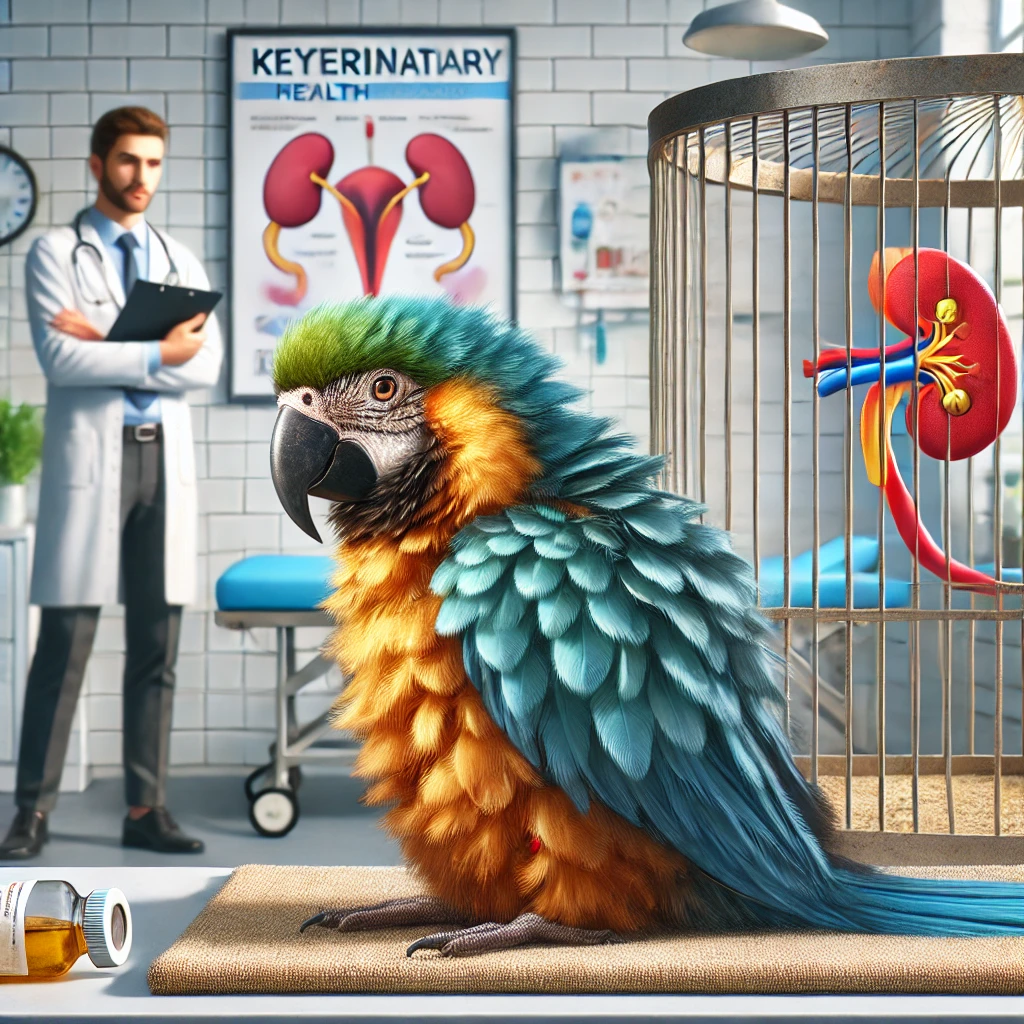
Changes in Urination Patterns: Increased or decreased urination may indicate kidney problems or urinary tract infections, especially in older pets.
5. Respiratory Issues
Labored Breathing: Wheezing, coughing, or rapid breathing can be signs of respiratory infections or allergies.
Nasal Discharge: Thick, colored discharge from the nose or eyes may indicate an infection or sinus problem.
6. Skin Problems
Hair Loss or Matting: Excessive shedding, matting fur, or bald spots can signal skin infections, parasites (like mites or fleas), or nutritional deficiencies.
Lesions or Wounds: Open sores or unhealed wounds may develop due to infections or injuries.
7. Eye or Ear Problems
Red, Swollen, or Discharge-filled Eyes: Eye infections or injuries are common in small pets and require immediate attention.
Ear Mites or Infections: Excessive scratching, redness, or discharge in the ears can indicate parasitic infestations.
8. Behavioral Changes
Hiding or Social Withdrawal: If your social pet becomes withdrawn, it may be a sign of pain or fear due to illness.
Excessive Vocalization: Pets that are normally quiet may vocalize more when in distress.
How to Monitor Your Small Pet’s Health
Regular monitoring is essential for catching signs of illness early. Here’s how you can keep a close eye on your pet’s health:
1. Daily Observations
Behavior: Watch for changes in activity levels, playfulness, and social interaction.
Eating and Drinking: Note any changes in appetite or water intake.
Elimination Habits: Check for normal stool and urine output.
2. Weekly Check-Ups
Weight Checks: Use a gram scale to monitor weight fluctuations.
Fur and Skin Inspection: Groom your pet gently to check for shedding, matting, or skin issues.
Eyes and Ears: Inspect for redness, discharge, or swelling.
3. Veterinary Care
Annual Check-Ups: Regular veterinary visits are crucial for maintaining your pet’s health.
Emergency Visits: Seek immediate care if you notice severe symptoms, such as difficulty breathing, seizures, or inability to move.
What to Do If You Spot Signs of Illness
If you notice any unusual signs in your small pet, it’s important to act quickly but calmly. Here’s a step-by-step guide:
1. Stay Calm and Assess the Situation
Observe your pet’s symptoms to provide detailed information to your vet.
Avoid stressing your pet further, as stress can worsen their condition.
2. Contact a Vet Immediately
Reach out to a veterinarian experienced in caring for small or exotic pets.
Provide information about your pet’s symptoms, diet, environment, and medical history.
3. Provide a Safe Environment
Ensure your pet is in a quiet, warm, and stress-free space.
Keep your pet hydrated and offer a familiar food source if they are willing to eat.
4. Follow Veterinary Advice
Follow the vet’s recommendations for treatment, which may include medication, dietary changes, or further testing.
Schedule follow-up appointments as instructed to monitor recovery.
Preventing Illness in Small Pets
Prevention is always better than cure. By creating a healthy environment and maintaining good care practices, you can reduce the risk of illness in your small pet.
Here are some actionable tips for prevention:
1. Provide a Nutritious Diet
Research the dietary needs of your pet’s species and offer high-quality, nutrient-rich food.
Avoid overfeeding or underfeeding, as both can lead to health issues.
2. Ensure a Clean Living Space
Clean your pet’s cage or enclosure regularly to prevent the buildup of waste and bacteria.
Provide fresh bedding and remove soiled areas daily.
3. Create a Stress-Free Environment
Minimize loud noises and chaotic environments, as stress can weaken your pet’s immune system.
Offer ample hiding places and enrichment toys to keep your pet mentally stimulated.
4. Stay Informed
Educate yourself about common health issues in your pet’s species.
Keep up with preventive care, such as parasite control and dental care.
Conclusion
Spotting signs of illness early in small pets requires attention to detail, regular monitoring, and a proactive approach to their health. By recognizing changes in behavior, appetite, and physical condition, you can take quick action to ensure your pet receives the care they need.
Remember, small pets are delicate, and their health can deteriorate rapidly. Don’t hesitate to consult a veterinarian if you’re ever in doubt—early intervention can save lives.
If you found this guide helpful, please share it with other pet owners who may benefit from these tips. Together, we can help small pets live their best lives.
What steps do you take to monitor your small pet’s health? Share your tips in the comments below!
For more information on caring for small pets, visit the Association of Exotic Mammal Veterinarians or consult your local vet.