How to Care for Kittens: A Complete New Owner’s Guide
Bringing home a new kitten is an exciting experience, but it also comes with a lot of responsibilities. Ensuring your kitten grows into a healthy and well-adjusted cat requires proper care, attention, and knowledge. In this guide, we’ll walk you through everything you need to know about caring for your new kitten, from nutrition and health to socialization and safety.
Choosing the Right Food for Your Kitten
One of the most critical aspects of kitten care is providing the right nutrition. Kittens have different dietary needs than adult cats, as they require more protein and essential nutrients to support their rapid growth and development.
- Wet vs. Dry Food: Wet food is generally recommended for kittens because it contains more moisture, which helps prevent dehydration and supports urinary health. Wet food also mimics a cat’s natural diet more closely. However, a high-quality dry food can be a good supplement or alternative if your kitten prefers it.
- Age-Appropriate Formula: Choose a kitten-specific food that is formulated for your kitten’s age group (e.g., kitten food for 0-6 months, 6-12 months). These formulas are tailored to meet the nutritional needs of growing kittens.
- Consult Your Veterinarian: Your vet can help you determine the best diet for your kitten based on their breed, size, and any potential health issues.
Litter Training Your Kitten
Litter training is one of the first skills your kitten needs to learn. Most kittens can start learning to use the litter box at around 3-4 weeks old. Here’s how you can help your kitten master this skill:
- Provide the Right Litter Box: Kittens prefer a clean, shallow-sided litter box with unscented, non-clumping litter. Avoid covered litter boxes, as they can make your kitten feel confined.
- Show Them the Way: Place your kitten in the litter box after meals or playtime, as these are times when they are most likely to go. Praise them when they use it correctly.
- Keep It Clean: Scoop the litter box daily and change the litter completely every week. Kittens are very particular about cleanliness and may avoid using a dirty litter box.
Ensuring Your Kitten’s Health
Regular veterinary care is essential for your kitten’s health and well-being. Here are some key health considerations for new kitten owners:
- Vaccinations: Kittens need a series of vaccinations to protect them from serious diseases like rabies, distemper, and upper respiratory infections. Your vet will provide a vaccination schedule based on your kitten’s age and lifestyle.
- Spaying/Neutering: Spaying or neutering your kitten can prevent unwanted litters, reduce the risk of certain health issues, and curb undesirable behaviors like spraying or roaming. Most vets recommend performing this procedure between 4-6 months of age.
- Parasite Control: Fleas, ticks, and intestinal parasites can cause discomfort and health problems for your kitten. Use a vet-recommended flea and tick prevention product and schedule regular deworming treatments.
Socialization and Play
Socialization is critical for your kitten’s emotional and behavioral development. Here’s how you can help your kitten become a confident and well-adjusted adult cat:
- Introduce New People and Places: Expose your kitten to a variety of people, sounds, and environments to help them become confident and calm in new situations.
- Playtime: Kittens are naturally curious and energetic, so they need plenty of playtime to burn off energy and stimulate their minds. Use toys like feather wands, laser pointers, and catnip mice to encourage playful behavior.
- Create a Safe Environment: Kittens are naturally curious, so make sure your home is kitten-proofed. Remove hazardous items like toxic substances, electrical cords, and fragile objects that could be knocked over.
Setting Up a Comfortable Home
Creating a comfortable and safe space for your kitten is essential for their well-being. Here are some tips for setting up your home:
- Provide a Cozy Bed: Offer a warm, soft bed in a quiet corner of your home where your kitten can rest and feel safe.
- Scratching Post: Provide a sturdy scratching post to save your furniture and keep your kitten’s nails healthy.
- Create Vertical Space: Cats love to climb and perch, so consider setting up cat shelves or a cat tree where your kitten can observe their surroundings.
Grooming and Hygiene
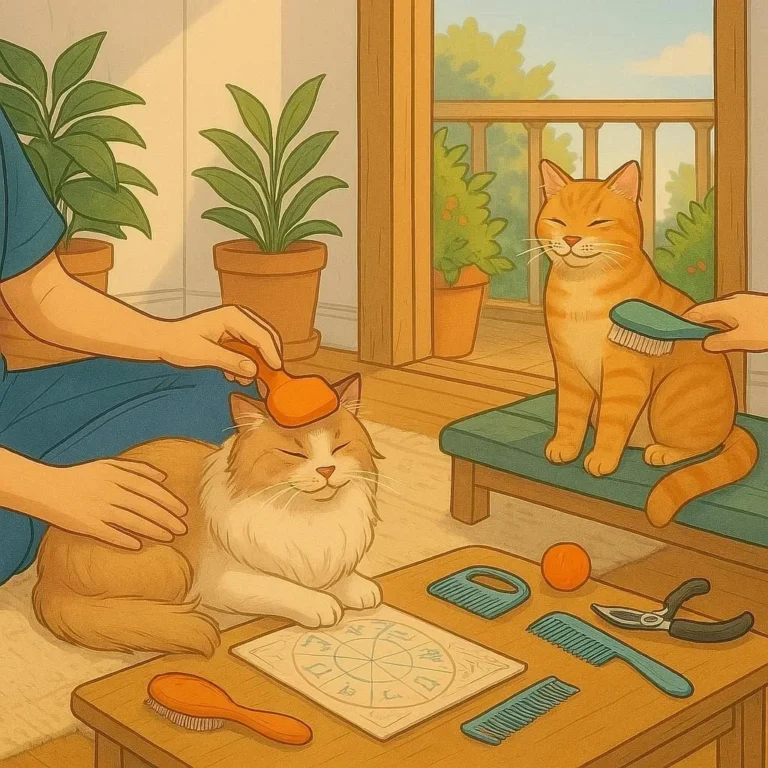
Grooming is an important part of kitten care. Not only does it keep your kitten clean and healthy, but it also strengthens the bond between you and your pet.
- Brush Regularly: Use a soft-bristle brush or a grooming glove to remove loose hair and distribute skin oils. This can help prevent hairballs and matting.
- Nail Trimming: Trim your kitten’s nails regularly to prevent overgrowth, which can cause discomfort or health issues. You can do this at home with a cat nail clipper or have it done by a groomer.
- Ear and Eye Care: Clean your kitten’s ears and eyes regularly to prevent infections. Use a vet-recommended cleaning solution and avoid inserting cotton swabs into their ears or eyes.
Conclusion
Caring for a new kitten can be a rewarding experience, but it requires patience, love, and attention to detail. By providing the right nutrition, ensuring regular veterinary care, and creating a safe and stimulating environment, you can help your kitten grow into a healthy and happy adult cat. Remember, every kitten is unique, so be prepared to adapt your care routine based on your kitten’s individual needs and personality.
If you’re unsure about any aspect of kitten care, don’t hesitate to consult your veterinarian for personalized advice. With the right care and attention, your kitten will be your loyal companion for years to come.
References
For more information on kitten care, check out these trusted resources: