The Dos and Don’ts of Small Pet Nutrition
Small pets, such as hamsters, gerbils, rabbits, and guinea pigs, bring immense joy and companionship into our lives. However, ensuring they lead healthy lives starts with proper nutrition. Feeding your small pet the right foods and avoiding harmful substances can make a significant difference in their overall well-being. In this guide, we’ll explore the dos and don’ts of small pet nutrition to help you make informed decisions for your furry friend.
Understanding Small Pet Dietary Needs
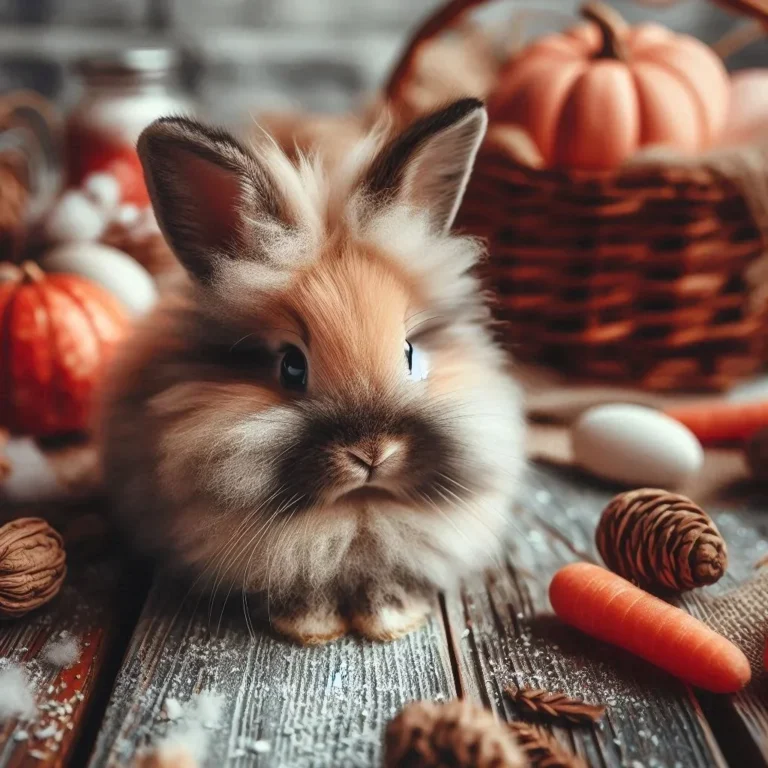
Before diving into the dos and don’ts, it’s crucial to understand the specific dietary needs of your small pet. Different species have different requirements, so research is key. For example, rabbits are herbivores and require a diet rich in fiber, while hamsters are omnivores and need a balanced mix of seeds, fruits, and vegetables.
Key Nutritional Requirements
- High-Quality Commercial Pellets: Most small pets benefit from a high-quality commercial pellet as the main staple of their diet. Look for pellets that are specifically formulated for your pet’s species.
- Fresh Vegetables: Fresh veggies like carrots, spinach, and bell peppers provide essential vitamins and minerals.
- Limited Treats: Treats should be given in moderation to avoid obesity and digestive issues.
- Fresh Water: Access to clean, fresh water is essential for all small pets.
- Avoid Toxic Foods: Some foods, such as chocolate, onions, and avocado, are toxic to small pets and should never be fed.
The Dos of Small Pet Nutrition
1. Provide a Balanced Diet
A balanced diet is the cornerstone of small pet nutrition. Ensure your pet’s diet includes a mix of pellets, fresh vegetables, and occasional fruits. For example, guinea pigs require a diet rich in vitamin C, while rabbits need plenty of fiber to keep their digestive system healthy.
- Pellets: Choose high-quality, nutrient-rich pellets as the main staple.
- Vegetables: Introduce a variety of fresh vegetables daily, such as kale, broccoli, and carrots.
- Fruits: Offer fruits in moderation due to their high sugar content. Apples, bananas, and berries are great options.
2. Keep the Diet Varied
A varied diet ensures your small pet gets all the necessary nutrients. Rotate vegetables and fruits daily to prevent boredom and nutrient deficiencies. For example, you can create a rotation plan where you introduce new vegetables every few days.
- Rotation Plan: Plan a weekly schedule to introduce different vegetables and fruits.
- Seasonal Produce: Take advantage of seasonal fruits and vegetables to keep the diet interesting.
3. Ensure Proper Hydration
Proper hydration is essential for small pets. Ensure your pet always has access to clean, fresh water. You can also offer water-rich foods like cucumbers and melons to help keep them hydrated.
- Water Quality: Change the water daily to prevent bacterial growth.
- Water-Rich Foods: Include foods like cucumbers and watermelon in their diet.
4. Provide Calcium for Bone Health
Many small pets, especially rabbits and guinea pigs, require calcium for strong bone health. Dark leafy greens like kale and spinach are excellent sources of calcium.
- Leafy Greens: Add calcium-rich leafy greens to their diet regularly.
- Supplements: Consult your vet before adding any calcium supplements.
5. Monitor Food Intake
Overeating can lead to obesity and other health issues. Monitor your pet’s food intake and adjust portion sizes accordingly. For example, hamsters have small stomachs and should not be overfed.
- Portion Control: Measure food portions to avoid overfeeding.
- Weight Monitoring: Keep an eye on your pet’s weight and adjust the diet as needed.
The Don’ts of Small Pet Nutrition
1. Avoid Junk Food
Junk food, such as chips, candy, and processed snacks, has no nutritional value and can harm your pet’s health. Stick to natural, nutrient-rich foods.
- Processed Foods: Avoid giving your pet any processed or high-sugar foods.
- Human Snacks: Keep human snacks out of reach to prevent temptation.
2. Don’t Overfeed Treats
While treats can be a great way to bond with your pet, overfeeding can lead to obesity and other health issues. Stick to healthy, pet-safe treats and limit the quantity.
- Healthy Treats: Opt for treats like sunflower seeds or whole-grain crackers.
- Treat Portion: Limit treats to no more than 10% of your pet’s daily calorie intake.
3. Avoid Toxic Foods
Certain foods are toxic to small pets and should never be fed. These include chocolate, onions, garlic, and avocado. Always research a food’s safety before offering it to your pet.
- Toxic Foods List: Create a list of toxic foods and keep it handy.
- Emergency Vet: Know what to do in case your pet ingests something toxic.
4. Don’t Neglect Fibre Intake
Fibre is crucial for the digestive health of many small pets, especially rabbits and guinea pigs. Neglecting fibre intake can lead to serious health issues like digestive blockages.
- High-Fibre Foods: Ensure your pet’s diet includes plenty of high-fibre foods like hay and leafy greens.
- Hay Availability: Provide unlimited access to high-quality hay.
5. Don’t Skip Veterinary Advice
A vet can provide personalized dietary recommendations based on your pet’s specific needs. Regular check-ups and advice from a vet can help prevent health issues down the line.
- Regular Check-Ups: Schedule regular vet visits to monitor your pet’s health.
- Custom Diet Plans: Work with your vet to create a custom diet plan.
Conclusion
Providing the right nutrition for your small pet is a responsibility that requires attention to detail and a commitment to their well-being. By following the dos and don’ts outlined in this guide, you can help ensure your small pet leads a healthy and happy life. Remember, every pet is different, so always consult with a vet before making significant changes to their diet.
If you have more questions about small pet nutrition or need personalized advice, reach out to your local vet or check out reputable resources like the Association of Exotic Mammal Veterinarians for guidance.
By following these simple dos and don’ts, you can create a nutritionally balanced and enjoyable diet for your small pet. Happy feeding!