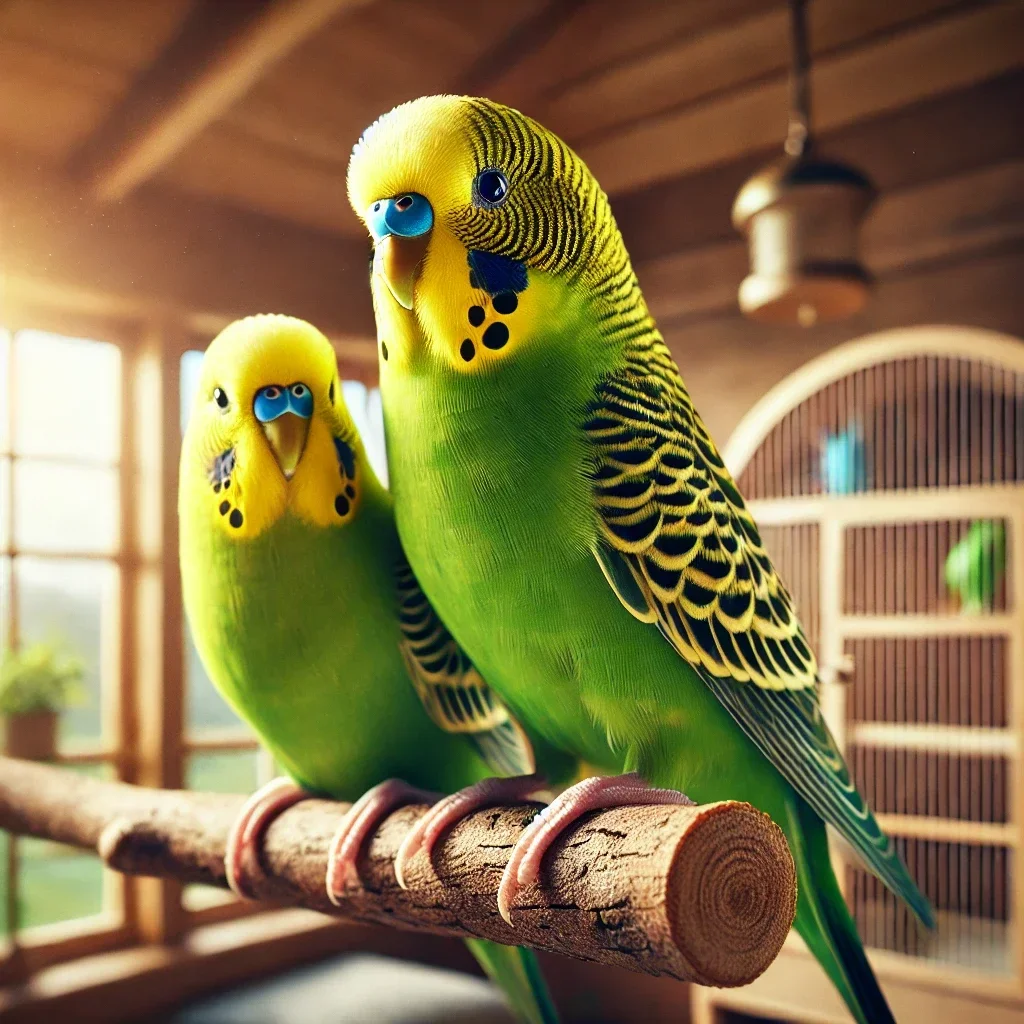
The Best Perches for Foot Health in Pet Birds
When it comes to the well-being of pet birds, their foot health is often overlooked but is incredibly important for their overall quality of life. Providing the right type of perch can make a significant difference in preventing foot problems and ensuring your feathered friend stays happy and healthy. In this blog post, we’ll dive into the essential factors to consider when selecting perches, the best types of perches for foot health, and tips on how to maintain your bird’s foot health.
Understanding the Importance of Perch Selection
Birds spend a significant amount of time perched, and improper perching surfaces can lead to a variety of health issues. Some common problems include:
- Foot sores and calluses
- Arthritis
- Nail overgrowth
- Infections
- Balance and posture issues
A good perch not only provides comfort but also helps to distribute the bird’s weight evenly, preventing undue strain on any single part of the foot.
Types of Perches for Optimal Foot Health
There are numerous types of bird perches available, each with its own set of benefits. The best perch for your bird will depend on their species, size, and specific needs.
1. Natural Wood Perches
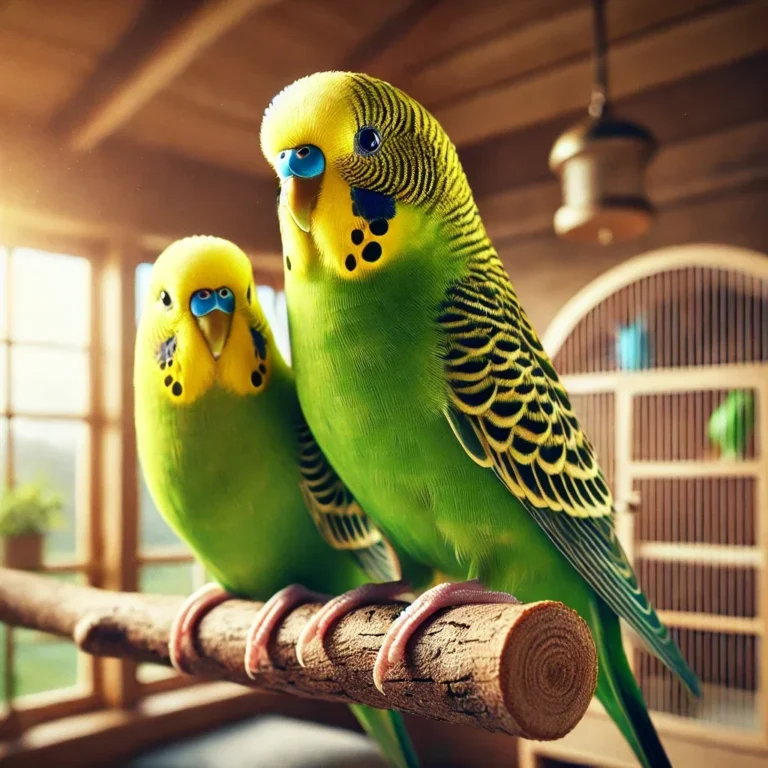
Natural wood perches are a popular choice among bird owners because they closely mimic the natural environment. Look for durable, non-toxic woods such as manzanita, eucalyptus, or dragonwood. These woods are hard and less likely to splinter, making them safer for your bird.
- Pros: Naturally textured surface helps exercise feet, durable, and aesthetically pleasing.
- Cons: May require more frequent cleaning.
2. Rope Perches
Rope perches are another excellent option, especially for birds that enjoy a softer surface. They are flexible and can be easily adjusted to different sizes.
- Pros: Soft on feet, adjustable, and easy to clean.
- Cons: May deteriorate over time and can be chewed by birds.
3. Concrete Perches
Concrete perches are ideal for birds that have a tendency to chew or have overgrown nails. The rough texture helps to naturally trim the nails and provides a firm surface.
- Pros: Durable, nail-trimming abilities, and easy to clean.
- Cons: Can be too harsh for some birds.
4. PVC Perches
For birds that prefer a smooth surface, PVC perches are a good option. They are easy to clean and come in various diameters.
- Pros: Smooth, easy to clean, and durable.
- Cons: Lack of texture may not be ideal for all birds.
5. Trap Perches
Trap perches are designed with a unique texture that helps to maintain foot health by gently removing dirt and debris from the bird’s feet.
- Pros: Promotes foot hygiene, gentle on feet.
- Cons: Not suitable for all bird species.
How to Choose the Right Perch for Your Bird
With so many options available, selecting the right perch for your bird can be overwhelming. Here are a few tips to guide you:
- Consider Your Bird’s Size
- A perch that is too large or too small can be uncomfortable for your bird. Ensure the diameter of the perch is appropriate for your bird’s foot size.
- Think About Material
- Different materials offer different benefits. For example, natural wood and concrete perches are excellent for maintaining foot health, while rope and PVC perches provide comfort.
- Diverse Perches
- Provide multiple perches of various textures and diameters to give your bird options and keep their feet exercised.
- Change Perches Regularly
- Rotate your bird’s perches regularly to prevent them from becoming too worn or soiled.
- Cleanliness
- Regularly clean and disinfect perches to prevent the spread of bacteria and infections.
Tips for Maintaining Your Bird’s Foot Health
Providing the right perch is just one aspect of maintaining your bird’s foot health. Here are some additional tips:
Inspect Feet Regularly
Check your bird’s feet for any signs of injury, swelling, or infection.
Provide a Balanced Diet
A nutritious diet rich in vitamins and minerals is essential for overall health, including foot health.
Encourage Exercise
Ensure your bird has enough space to move around and exercise to prevent muscle atrophy and stiffness.
Schedule Regular Vet Visits
Regular check-ups with an avian veterinarian can help catch any potential health issues early.
Signs of Foot Problems in Birds
It’s important to be aware of any changes in your bird’s behavior or physical condition that may indicate foot problems. Some common signs include:
- Limping or favoring one foot
- Redness or swelling around the feet
- Loss of balance or difficulty perching
- Visible sores or calluses
If you notice any of these symptoms, contact your veterinarian immediately to avoid any further complications.
Conclusion
Choosing the right perch for your pet bird is a crucial step in ensuring their foot health and overall well-being. By understanding the different types of perches available and selecting ones that meet your bird’s specific needs, you can help prevent common foot problems and keep your feathered friend happy and healthy.
If you found this article helpful, we encourage you to share it with other bird enthusiasts. For more information on bird health and care, visit The Association of Avian Veterinarians or check out Wikipedia’s guide on bird anatomy for detailed insights into avian health.
Remember, a happy bird is a healthy bird. Give your bird the best possible start in life by providing them with the right perches for their foot health.