Signs of Stress in Birds and Ways to Reduce It
Birds, like all living creatures, can experience stress due to various environmental, physical, or psychological factors. Recognizing the signs of stress in birds is crucial for providing them with the care they need to thrive. This guide will explore the common indicators of stress in birds and offer practical strategies to help alleviate it.
Understanding Bird Stress
Birds are sensitive animals that can be easily stressed by changes in their environment, diet, or health. Chronic stress can lead to serious health issues, including weakened immune systems, behavioral problems, and even feather plucking. It’s essential to understand the root causes of stress in birds and take proactive steps to create a stress-free living environment.
Signs of Stress in Birds
Identifying stress in birds can be challenging, as they often hide signs of illness or discomfort to avoid appearing vulnerable. However, there are several behavioral and physical indicators that may suggest your bird is stressed:
Behavioral Changes
- Increased aggression or fear: A stressed bird may become more aggressive, bite, or exhibit fear-based behaviors such as feather pulling or pacing.
- Changes in vocalization: Birds under stress may scream more frequently or become abnormally quiet.
- Loss of appetite: A reduction in food intake can be a sign of stress or underlying health issues.
- Excessive preening: While preening is a normal behavior, excessive preening or feather plucking can indicate stress or skin irritation.
- Restlessness or lethargy: Stressed birds may appear restless or, conversely, overly lethargic and less active.
Physical Signs
- Changes in droppings: Stress can lead to changes in the color, consistency, or frequency of droppings.
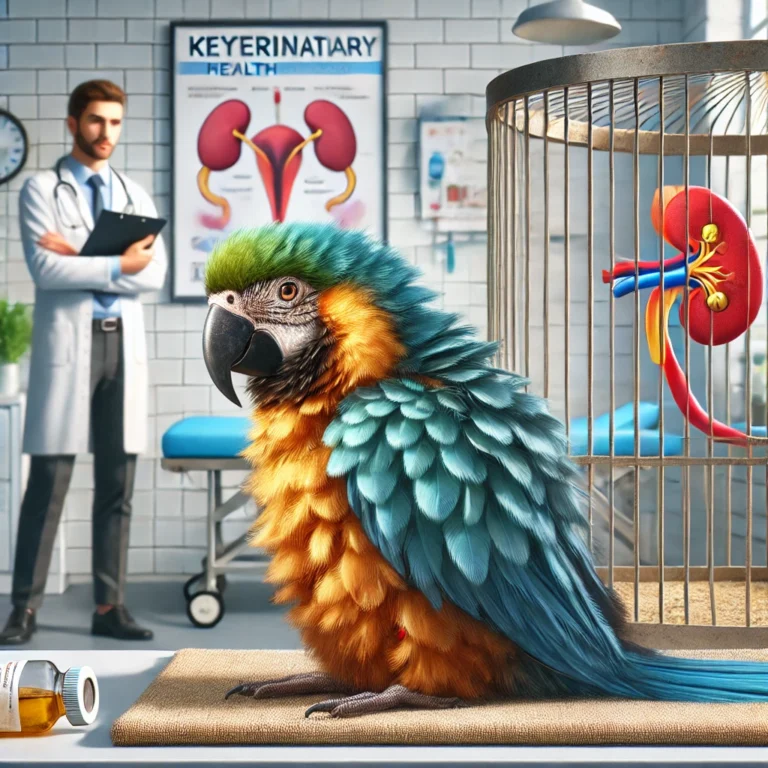
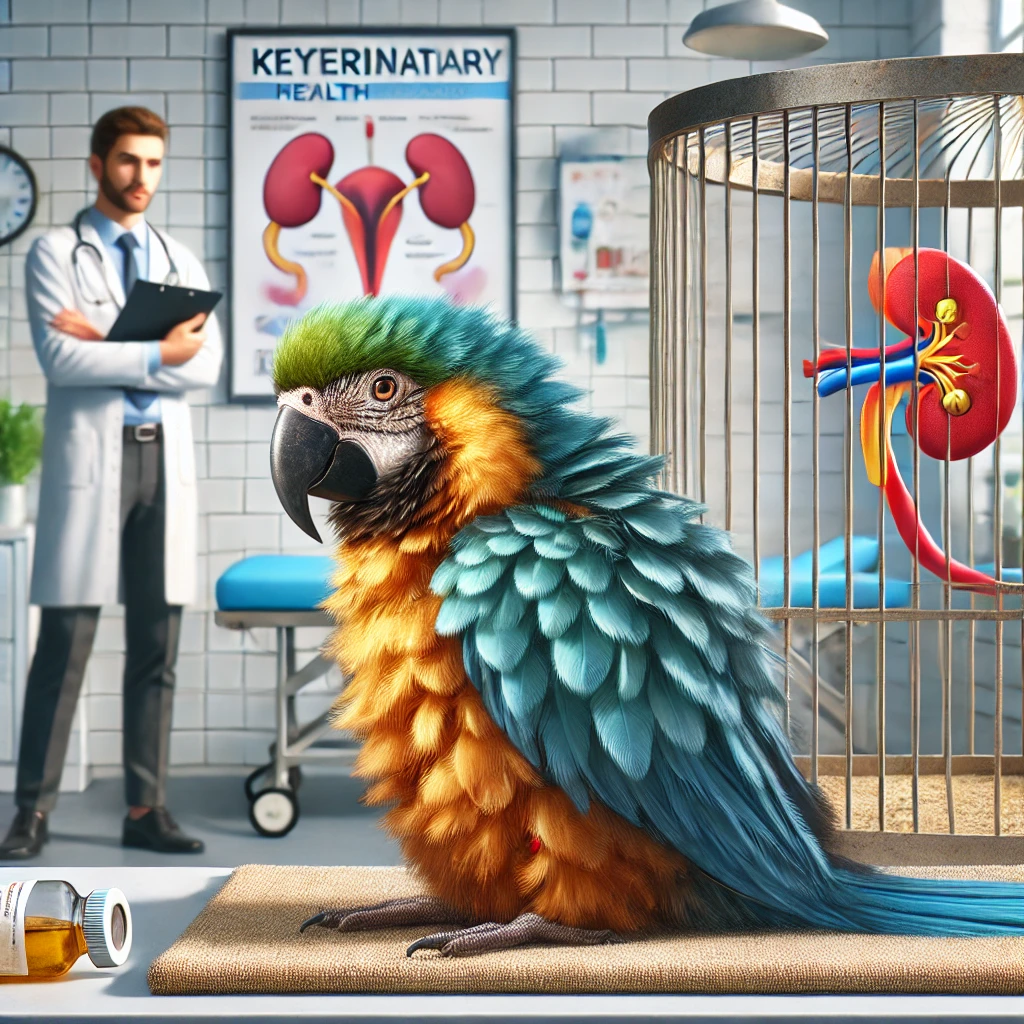
- Fluffed feathers: A bird that keeps its feathers fluffed for extended periods may be stressed or ill.
- Labored breathing: Rapid breathing or labored breathing can be a sign of stress or respiratory issues.
- Changes in weight: Stress can lead to weight loss or gain, depending on the underlying cause.
Vocalization Changes
- High-pitched sounds: Birds may emit high-pitched sounds when they are stressed or anxious.
- Unusual noises: If your bird begins making unusual or unfamiliar noises, it could be a sign of distress.
Causes of Stress in Birds
Understanding the causes of stress in birds is the first step toward addressing the issue. Common causes include:
- Environmental Changes: Changes in the bird’s environment, such as moving to a new home, introduction of new pets or family members, or changes in the layout of the cage, can cause stress.
- Health Issues: Pain, illness, or discomfort can lead to stress in birds.
- Nutritional Deficiencies: A lack of essential nutrients can affect a bird’s overall health and well-being.
- Social Issues: Birds are social creatures and may experience stress if they are housed alone or with incompatible birds.
- Handling or Interaction: Over-handling or rough handling can stress a bird, especially if it is not accustomed to human interaction.
Ways to Reduce Stress in Birds
Once the signs of stress are identified, there are several steps you can take to help reduce your bird’s stress levels:
1. Create a Stable Environment
A consistent and predictable environment can help reduce stress in birds. Establish a routine for feeding, playtime, and sleep, and avoid sudden changes to the bird’s surroundings.
2. Provide a Safe and Comfortable Living Space
Ensure your bird’s cage or aviary is spacious, clean, and well-ventilated. Provide plenty of perches, toys, and other enrichment activities to keep your bird engaged and stimulated.
3. Offer a Balanced Diet
A nutritious diet is essential for a bird’s overall health and well-being. Ensure your bird is eating a variety of foods, including high-quality commercial pellets, fresh fruits, vegetables, and occasional treats. Avoid overfeeding or underfeeding, as both can lead to stress.
4. Minimize Noise and Distractions
Loud noises, sudden movements, and other distractions can stress birds. Place the cage in a quiet, stable area of the home, away from direct sunlight and drafts.
5. Encourage Social Interaction
Birds are naturally social animals and benefit from interaction with their owners and other birds. Spend quality time with your bird, engage in play, and consider introducing a compatible companion bird if appropriate.
6. Monitor Health Regularly
Regular health check-ups with a qualified avian veterinarian can help identify and address underlying health issues that may be causing stress. Keep an eye out for signs of illness, such as changes in droppings, labored breathing, or lethargy.
7. Provide Stress-Reducing Toys and Activities
Birds need mental and physical stimulation to stay happy and healthy. Provide a variety of toys, such as chew toys, puzzle feeders, and swings, to keep your bird entertained and engaged.
8. Consider Calming Aids
In some cases, calming aids such as diffusers or pheromone products specifically designed for birds may help reduce stress. Always consult with a veterinarian before introducing any new products to your bird’s environment.
9. Avoid Over-Handling
While interaction with your bird is important, over-handling can lead to stress. Allow your bird to come to you on its own terms, and respect its boundaries.
10. Educate Yourself
Continuing to learn about bird behavior, health, and care is one of the best ways to reduce stress in your feathered friend. Knowledgeable bird owners are better equipped to provide the care and attention their birds need.
Conclusion
Stress in birds can have serious consequences if left unaddressed. By recognizing the signs of stress and taking proactive steps to create a safe, comfortable, and stimulating environment, you can help your bird lead a happy and healthy life. If you suspect your bird is experiencing chronic stress or if symptoms persist, consult with a qualified avian veterinarian for professional advice and treatment.
Call-to-Action
If you found this guide helpful, please share it with other bird enthusiasts to help them provide better care for their feathered friends. For more information on bird care and stress management, visit The Association of Avian Veterinarians or BirdLife International for additional resources.
Remember, a happy bird is a healthy bird!