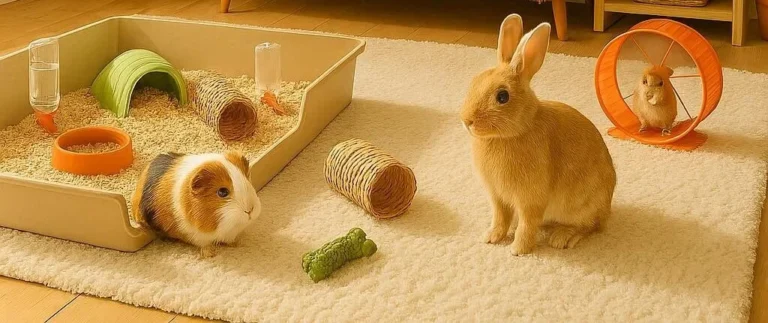
The Best Bedding Materials for Tiny Pets and Their Benefits
When it comes to keeping your tiny pets comfortable and healthy, choosing the right bedding is crucial. Small pets like hamsters, gerbils, rabbits, and guinea pigs spend a significant amount of time in their enclosures, so their bedding plays a vital role in their overall well-being. The right bedding can prevent health issues, reduce odors, and make cleaning easier. In this article, we’ll explore the best bedding materials for tiny pets and the benefits they offer.
Understanding the Importance of Bedding for Tiny Pets
Before diving into the best bedding options, it’s essential to understand why bedding is so important for small pets. Bedding serves several purposes:
- It provides a soft, comfortable surface for your pets to walk and sleep on.
- It absorbs waste, reducing odors and keeping the enclosure clean.
- It helps regulate temperature, keeping your pets warm in the winter and cool in the summer.
- It can help prevent health problems, such as respiratory issues caused by dust or harmful chemicals.
Top Bedding Materials for Tiny Pets
With so many options available, selecting the right bedding for your tiny pets can be overwhelming. Below, we’ll discuss the most popular and beneficial bedding materials for small pets.
1. Aspen Shavings
Aspen shavings are a popular choice among pet owners due to their natural, non-toxic properties. Unlike pine or cedar shavings, aspen does not release harmful oils that can cause respiratory problems in small animals. Aspen shavings are also highly absorbent, making them effective at controlling odors and keeping the enclosure dry. Additionally, aspen is lightweight and easy to clean, making it a practical option for busy pet owners.
Benefits of Aspen Shavings:
- Non-toxic and safe for small pets.
- Highly absorbent, reducing odors and moisture.
- Soft and comfortable for your pet to walk on.
- Easy to clean and maintain.
2. Paper-Based Bedding
Paper-based bedding is another excellent option for tiny pets. It is made from recycled paper materials and is free from harmful chemicals, making it a safe choice for your furry friends. Paper-based bedding is highly absorbent and is effective at controlling odors. It is also soft and gentle on your pet’s paws, providing a comfortable surface for them to move around on.
Benefits of Paper-Based Bedding:
- Eco-friendly and made from recycled materials.
- Highly absorbent, reducing odors and moisture.
- Soft and comfortable for your pet’s paws.
- Dust-free, reducing the risk of respiratory issues.
3. Coconut Fiber Bedding
Coconut fiber bedding, also known as CocoBedding, is a natural, eco-friendly option that is gaining popularity among pet owners. Made from the husks of coconuts, this bedding is highly absorbent and effective at controlling odors. Coconut fiber is also durable and long-lasting, making it a cost-effective option in the long run. Additionally, it is biodegradable, making it an environmentally friendly choice.
Benefits of Coconut Fiber Bedding:
- Natural, biodegradable, and eco-friendly.
- Highly absorbent, reducing odors and moisture.
- Durable and long-lasting, reducing the need for frequent changes.
- Gentle on your pet’s paws and skin.
4. Hay and Grass Bedding
Hay and grass bedding are natural options that are often used for small pets like rabbits and guinea pigs. Timothy hay is a popular choice and is widely available. While hay is a good bedding option, it is important to note that it may not be as absorbent as other materials and may require more frequent cleaning. Additionally, hay can be more expensive than other bedding materials, especially in the long run.
Benefits of Hay and Grass Bedding:
- Natural and safe for your pets.
- Provides a comfortable surface for your pets to walk on.
- Can help with digestion when ingested in small amounts.
- Environmentally friendly and biodegradable.
5. Washable Fabric Bedding
Washable fabric bedding is a great option for pet owners who want to reduce waste and save money in the long run. This bedding is typically made from soft, breathable fabrics like fleece or cotton and can be washed and reused multiple times. Washable fabric bedding is also customizable, allowing you to choose the size and material that best suits your pet’s needs.
Benefits of Washable Fabric Bedding:
- Reusable and eco-friendly.
- Soft and comfortable for your pet’s paws.
- Customizable to fit your pet’s enclosure.
- Cost-effective in the long run.
6. Hemp Bedding
Hemp bedding is another natural, eco-friendly option that is highly absorbent and effective at controlling odors. Hemp is a sustainable crop, making it an environmentally friendly choice. It is also lightweight and easy to clean, making it a practical option for pet owners. Hemp bedding is also free from harmful chemicals and is safe for your pets to be around.
Benefits of Hemp Bedding:
- Natural, eco-friendly, and sustainable.
- Highly absorbent, reducing odors and moisture.
- Lightweight and easy to clean.
- Safe and non-toxic for your pets.
Choosing the Right Bedding for Your Tiny Pet
With so many bedding options available, choosing the right one for your tiny pet can be a bit overwhelming. Here are a few things to keep in mind when selecting a bedding material:
- Safety: Always choose bedding materials that are non-toxic and free from harmful chemicals. Avoid using pine or cedar shavings, as they can release harmful oils that can cause respiratory issues in small pets.
- Absorbency: Look for bedding materials that are highly absorbent to help control odors and keep the enclosure clean.
- Comfort: Choose bedding that provides a soft, comfortable surface for your pet to walk and sleep on.
- Maintenance: Consider how easy the bedding is to clean and maintain. Some materials may require more frequent changes, while others are more durable and long-lasting.
- Cost: Bedding materials can vary in price, so consider your budget when making a decision. Some materials may be more expensive upfront but can save you money in the long run.
- Environmental Impact: If you’re concerned about the environment, look for eco-friendly, biodegradable options like coconut fiber or hemp bedding.
Tips for Keeping Your Tiny Pet’s Bedding Clean
Keeping your tiny pet’s bedding clean is essential for their health and well-being. Here are a few tips to help you keep their enclosure clean and odor-free:
- Spot Clean Daily: Remove soiled bedding and waste daily to prevent odors and keep the enclosure clean.
- Change Bedding Completely: Depending on the type of bedding you use, you may need to change it completely every 1-2 weeks. For example, washable fabric bedding should be washed and replaced regularly.
- Disinfect the Enclosure: Regularly disinfect the enclosure using a pet-safe cleaning solution to prevent the growth of bacteria and germs.
- Provide Adequate Ventilation: Ensuring good airflow in your pet’s enclosure can help reduce odors and keep the bedding dry.
- Monitor Your Pet’s Health: Keep an eye on your pet’s health and behavior, and adjust their bedding as needed. If your pet is experiencing respiratory issues or skin irritation, it may be a sign that you need to change their bedding material.
Conclusion
Choosing the right bedding for your tiny pets is an important decision that can have a significant impact on their health and well-being. With so many options available, it’s essential to consider factors like safety, absorbency, comfort, and maintenance when selecting a bedding material. By choosing a high-quality, safe bedding material and keeping their enclosure clean, you can ensure that your tiny pets live happy, healthy lives.
Remember, every pet is different, so it may take some trial and error to find the best bedding material for your tiny furry friends. With the information provided in this guide, you can make an informed decision and provide your pets with the comfort and care they deserve.
If you found this article helpful, please share it with other pet owners who may be looking for the best bedding materials for their tiny pets. Your feedback and comments are always appreciated!
For more information on caring for small pets, visit ASPCA’s guide on small pet care.