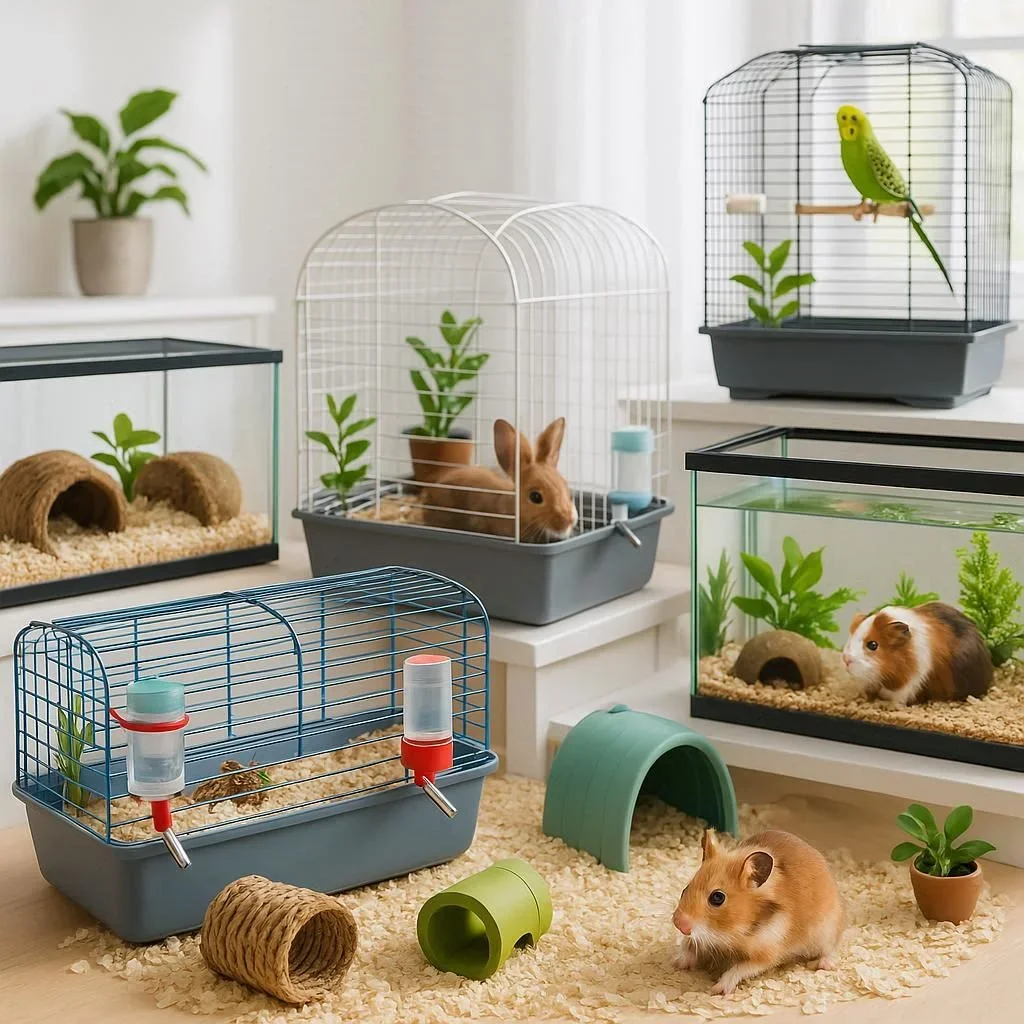
How to Handle Stress and Anxiety in Small Pets
Stress and anxiety in small pets can be challenging to recognize and manage, but with the right strategies, you can help your furry friend feel calm and secure. Whether you’re a seasoned pet owner or a newcomer, understanding the triggers and symptoms of stress in small pets is the first step toward providing the care they need. In this guide, we’ll explore the causes of stress and anxiety in small pets, practical solutions to alleviate their discomfort, and when to seek professional help.
Recognizing the Signs of Stress and Anxiety in Small Pets
One of the most important steps in helping your small pet is recognizing the signs of stress and anxiety. Small pets, such as rabbits, guinea pigs, hamsters, and birds, often exhibit subtle behaviors that indicate they are feeling anxious or stressed. Common signs include:
- Changes in Appetite: A sudden increase or decrease in food consumption can be a sign of stress.
- Altered Sleep Patterns: If your pet is sleeping more or less than usual, it may indicate anxiety.
- Hiding or Avoidance: Small pets may hide more frequently or avoid interaction.
- Changes in Grooming Habits: Excessive grooming or lack of grooming can be a sign of stress.
- Vocalization: Increased or unusual noises, such as squeaking or chirping, can indicate anxiety.
- Pacing or Restlessness: Continuous movement or inability to settle down may signal stress.
- Physical Symptoms: Trembling, panting, or rapid breathing can be signs of anxiety.
Understanding these signs is crucial because early detection allows you to address the issue before it escalates. If you notice any of these behaviors in your small pet, it’s important to identify the source of the stress and take appropriate action.
Common Causes of Stress and Anxiety in Small Pets
Identifying the cause of stress in your small pet is the next step in helping them feel better. Small pets can be sensitive to their environment, and various factors can contribute to their anxiety. Some common causes include:
Environmental Factors
- Noise: Loud noises, such as fireworks, construction, or even household appliances, can terrify small pets.
- Changes in Environment: Moving to a new home, rearranging their cage, or introducing new objects can cause stress.
- Temperature Fluctuations: Small pets are sensitive to extreme temperatures, which can lead to discomfort and anxiety.
Social Factors
- Introduction of New Pets or People: Adding a new pet or person to the household can cause stress for small pets.
- Handling: Improper handling or excessive handling can lead to anxiety.
- Isolation: Some small pets, such as rabbits and guinea pigs, are social animals and may become stressed if kept alone.
Health Issues
- Pain or Discomfort: Underlying health issues, such as dental problems, infections, or injuries, can cause stress and anxiety.
- Medical Conditions: Certain health conditions, such as respiratory issues or gastrointestinal problems, can contribute to stress.
Understanding these potential causes can help you identify and address the root of your pet’s anxiety. If you suspect a health issue, it’s important to consult a veterinarian to rule out any underlying conditions.
Practical Solutions for Helping Your Small Pet
Once you’ve identified the cause of your small pet’s stress or anxiety, you can implement practical solutions to help them feel more secure and calm. Here are some effective strategies:
Create a Safe Environment
- Provide a Quiet Space: Ensure your small pet has a quiet, peaceful area where they can retreat when feeling overwhelmed.
- Maintain a Consistent Routine: Stick to a regular feeding schedule, playtime, and sleep routine to provide a sense of stability.
- Minimize Changes: Avoid sudden changes in their environment, such as rearranging their cage or introducing new objects without gradual acclimation.
Use Calming Aids
- Pheromone Diffusers: Products like Feliway mimic natural pheromones that help calm animals.
- Calming Treats: Natural treats containing ingredients like L-theanine or chamomile can help reduce anxiety.
- Calming Music: Playing calming music specifically designed for pets can create a soothing environment.
Encourage Social Interaction
- Spend Quality Time: Spend time with your small pet, engaging in activities they enjoy, such as playtime or simply sitting near their cage.
- Introduce New Pets Gradually: If introducing a new pet, do so slowly and under controlled circumstances to minimize stress.
- Provide Companionship: For social animals like rabbits and guinea pigs, consider pairing them with a compatible companion.
Address Health Issues
- Consult a Veterinarian: If you suspect a health issue, consult a veterinarian to rule out any underlying medical conditions.
- Provide a Comfortable Environment: Ensure your small pet has a comfortable place to rest, with appropriate bedding and shelter.
Use Positive Reinforcement Training
- Reward Calm Behavior: Positive reinforcement training can help your small pet associate calm behavior with rewards.
- Desensitize Your Pet: Gradually expose your pet to the source of their stress or anxiety, starting at a low level, and reward calm behavior.
By implementing these strategies, you can help reduce your small pet’s stress and anxiety and improve their overall well-being.
When to Seek Professional Help
While many cases of stress and anxiety in small pets can be managed with the strategies outlined above, there are situations where professional help is necessary. If you notice severe or persistent signs of stress or anxiety in your small pet, it’s important to consult a veterinarian. A veterinarian can:
- Rule Out Medical Issues: Health problems can often mimic or exacerbate stress and anxiety.
- Recommend Professional Solutions: In some cases, medication or behavioral therapy may be necessary to manage your pet’s anxiety.
- Provide Guidance: A veterinarian can offer personalized advice based on your pet’s specific needs and circumstances.
If your small pet’s anxiety is impacting their quality of life, don’t hesitate to seek professional help. Early intervention can make a significant difference in your pet’s well-being.
Conclusion
Stress and anxiety in small pets can be challenging to manage, but with the right approach, you can help your furry friend feel calm and secure. By recognizing the signs, identifying the causes, and implementing practical solutions, you can create a more comfortable and stress-free environment for your small pet. Remember, every pet is different, so it may take some trial and error to find the best approach for your companion.
If you found this guide helpful, please share it with other pet owners who may be dealing with similar challenges. Together, we can help ensure that our small pets live happy, healthy, and stress-free lives.