What to Know Before Adopting a Small Pet
Adopting a small pet can be a incredibly rewarding experience, but it’s important to approach this decision with careful consideration. Small pets, such as hamsters, gerbils, guinea pigs, rabbits, and even small birds, can make wonderful companions. However, they also come with specific needs and responsibilities that potential owners should fully understand before bringing a new furry or feathered friend home.
In this guide, we’ll explore everything you need to know before adopting a small pet, from understanding their behavior and care requirements to ensuring your home is pet-ready. Whether you’re a first-time pet owner or looking to expand your family, this guide will help you make an informed decision and provide the best possible life for your new companion.
Understanding the Commitment of Small Pet Ownership
Before you decide to adopt a small pet, it’s crucial to understand the level of commitment involved. While small pets may require less space than dogs or cats, they still need proper care, attention, and a suitable environment to thrive. Here are a few key considerations:
- Lifespan: The lifespan of small pets varies by species. For example, hamsters typically live for 1.5 to 3 years, while guinea pigs can live up to 7 years. Rabbits, on the other hand, can live for 8 to 12 years. Understanding the lifespan of your chosen pet will help you prepare for the long-term commitment.
- Social Needs: Some small pets are social animals and thrive in the company of others, while others are solitary and prefer to be alone. For instance, guinea pigs are highly social and should be kept in pairs or groups, whereas hamsters are generally better off living alone. Understanding the social needs of your pet will ensure you provide the appropriate environment.
- Veterinary Care: Small pets have specific veterinary needs, and not all veterinarians specialize in exotic or small animals. Before adopting, research local veterinarians who have experience caring for the type of pet you’re interested in. Regular check-ups and proper healthcare are essential to maintaining your pet’s well-being.
Choosing the Right Small Pet for You
With so many small pets to choose from, it’s important to select a species that aligns with your lifestyle, living situation, and ability to provide care. Here are a few popular small pets and their unique requirements:
1. Hamsters
- Pros: Hamsters are low-maintenance, quiet, and can be handled gently. They are ideal for small living spaces and are relatively inexpensive to care for.
- Cons: Hamsters have short lifespans and are primarily nocturnal, which means they may be most active at night. They also have specific habitat requirements, including a large enough cage with proper ventilation.
2. Gerbils
- Pros: Gerbils are friendly, curious, and can be tamed to enjoy human interaction. They are active and entertaining to watch, making them a great choice for families with children.
- Cons: Gerbils are social and should be kept in pairs. They can be prone to health issues if their habitat is not kept clean and well-maintained.
3. Guinea Pigs
- Pros: Guinea pigs are gentle, social, and enjoys human interaction. They are relatively easy to care for and can be kept in pairs or groups.
- Cons: Guinea pigs require a larger cage with adequate space to move around. They also need a specialized diet that includes high-quality hay, fresh vegetables, and limited amounts of guinea pig pellets.
4. Rabbits
- Pros: Rabbits can be litter-trained and are often described as intelligent and affectionate. They can form strong bonds with their owners and are relatively low-allergenic compared to dogs or cats.
- Cons: Rabbits require a significant amount of space and exercise. They have a strong instinct to chew, which means they can damage furniture, electrical cords, and other household items if not properly supervised. Rabbits also require a specific diet that includes high-fiber foods like hay and fresh vegetables.
5. Small Birds
- Pros: Small birds, such as parakeets or canaries, are colorful, musical, and can be quite entertaining. They are relatively low-maintenance pets and can be a great choice for those who live in small spaces.
- Cons: Birds can be noisy and require regular social interaction to stay happy and healthy. They also need a clean, spacious cage with appropriate toys and perches to keep them stimulated.
Preparing Your Home for a Small Pet
Once you’ve chosen the right small pet for you, the next step is to prepare your home. This involves setting up a suitable habitat and ensuring your home is safe and pet-proofed. Here are some tips to help you get started:
1. Setting Up the Perfect Habitat
- Cage Size: The size of your pet’s cage will depend on the species. Generally, the larger the cage, the better, as it provides your pet with more space to move around and exercise. Make sure the cage is well-ventilated and kept at a comfortable temperature.
- Bedding: Use a safe and absorbent bedding material, such as wood shavings or recycled paper products. Avoid using materials like pine or cedar shavings, as they can be harmful to small pets.
- Accessories: Equip the cage with essential accessories, such as food and water dishes, a hiding place or two, and toys to keep your pet entertained. For rabbits and guinea pigs, include chew toys to help keep their teeth trimmed.
2. Pet-Proofing Your Home
- Secure Loose Items: Small pets are naturally curious and love to explore their surroundings. Secure any loose items, such as electrical cords, toxic substances, or fragile objects, to prevent accidents.
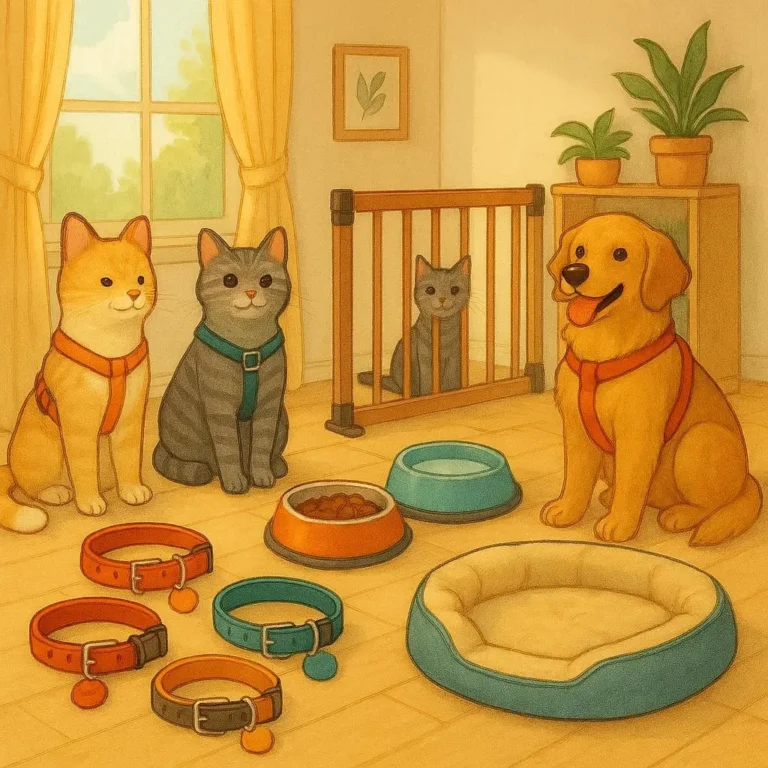
- Block Off Hazardous Areas: Use baby gates or pet barriers to block off areas of your home that are off-limits, such as the kitchen or bathroom.
- Provide Safe Zones: Designate safe zones where your pet can play and explore under supervision. Make sure these areas are free from hazards and provide plenty of enrichment activities.
The Cost of Owning a Small Pet
While small pets are generally less expensive to care for than dogs or cats, there are still costs associated with ownership. Here’s a breakdown of what you can expect to pay:
- Initial Setup Costs
- Cage and Accessories: The initial investment for a cage, bedding, food dishes, and toys can range from $50 to $200, depending on the size and quality of the equipment.
- Veterinary Care: The cost of spaying or neutering a small pet can range from $50 to $300, depending on the species and the veterinarian. Initial vet visits and vaccinations may also apply.
- Ongoing Monthly Costs
- Food: The cost of food varies by species, but on average, you can expect to spend $10 to $30 per month on high-quality food and fresh produce.
- Bedding and Supplies: Bedding and other supplies, such as toys and accessories, can cost an additional $10 to $20 per month.
- Veterinary Visits: Regular check-ups and any unexpected health issues can add to the monthly cost. Budgeting for veterinary care is essential to ensure your pet stays healthy.
Health Considerations for Small Pets
Small pets are prone to certain health issues that owners should be aware of. Regular vet visits and a keen eye for any changes in behavior or physical condition can help prevent or manage these issues. Here are some common health concerns to watch for:
- Respiratory Issues: Many small pets, such as guinea pigs and hamsters, are prone to respiratory problems. These can be caused by poor ventilation in their cage, stress, or bacterial infections.
- Dental Problems: Rabbits and guinea pigs are particularly susceptible to dental issues due to their ever-growing teeth. Providing plenty of chew toys and ensuring they have a diet rich in high-fiber foods can help prevent these problems.
- Parasites: Flees, mites, and lice are common parasites that can affect small pets. Regular grooming and checking for signs of infestation can help keep your pet healthy.
- Stress: Small pets can easily become stressed due to changes in their environment, loud noises, or even handling. Minimizing stress by providing a calm and stable environment is crucial for their well-being.
The Importance of Proper Nutrition
Proper nutrition is essential for maintaining the health and well-being of your small pet. The dietary needs of small pets vary by species, so it’s important to research and provide a balanced and nutritious diet. Here are some general tips:
- High-Quality Pellets: For many small pets, such as rabbits and guinea pigs, high-quality pellets should form the base of their diet. Look for pellets that are high in fiber and low in protein.
- Fresh Vegetables: Most small pets benefit from a variety of fresh vegetables daily. Leafy greens, such as kale and spinach, are excellent choices, but avoid giving too much of high-sugar vegetables like carrots.
- Fresh Fruits: Fresh fruits can be given in moderation as a treat. Avoid giving too much fruit due to their high sugar content.
- Hay: Providing unlimited access to high-quality hay is essential for many small pets, particularly rabbits and guinea pigs. Hay helps keep their teeth trimmed and their digestive system healthy.
- Avoid Dangerous Foods: Some foods, such as chocolate, caffeine, and alcohol, are toxic to small pets and should be avoided entirely. It’s important to research which foods are safe for your specific pet.
Building a Bond with Your Small Pet
Building a strong bond with your small pet takes time, patience, and consistent interaction. Here are some tips to help you build a trusting and loving relationship with your new companion:
- Start Slow: Give your pet time to adjust to their new environment before handling them extensively. Start with short sessions and gradually increase interaction time as they become more comfortable.
- Be Gentle: Small pets can be delicate, so it’s important to handle them gently and with care. Always support their body and lift them securely to avoid any injuries.
- Offer Treats: Offering your pet healthy treats during interaction can help build trust and strengthen your bond. Stick to small amounts and avoid overfeeding.
- Provide Enrichment: Providing enrichment activities, such as puzzle toys or new objects to explore, can keep your pet engaged and stimulated. This also gives them something to focus on during interaction time.
- Observe Their Behavior: Pay attention to your pet’s behavior and body language. If they seem stressed or uncomfortable, it’s important to give them space and respect their boundaries.
Long-Term Commitment and Care
Adopting a small pet is a long-term commitment that requires ongoing care and attention. As your pet ages, their needs may change, and it’s important to be prepared to adjust their care accordingly. Here are a few things to keep in mind:
- Aging Pets: As your pet ages, they may require more frequent vet visits and a tailored diet to meet their changing needs. Some older pets may also develop health issues that require special care.
- Continued Learning: Stay informed about the best practices for caring for your small pet. Research new products, read up on health issues, and consult with your veterinarian to ensure you’re providing the best possible care.
- Plan for Emergencies: Having a plan in place for emergencies, such as unexpected vet visits or natural disasters, can help ensure your pet’s safety and well-being.
- Consider the Future: Life circumstances can change, and it’s important to have a plan in place for the future care of your pet. This could include finding a trusted pet-sitter or making arrangements for their care if you’re unable to continue caring for them.
Conclusion
Adopting a small pet can be a incredibly rewarding experience, but it’s important to approach this decision with careful consideration and planning. By understanding the unique needs and requirements of small pets, preparing your home, and committing to providing the best possible care, you can create a happy and healthy environment for your new companion. Remember, adopting a pet is a long-term commitment, but the joy and companionship they bring to your life make every bit of effort worth it.
If you’re ready to open your heart and home to a small pet, consider adopting from a local shelter or reputable breeder. With the right care and attention, your new small pet will become a beloved member of your family.
We’d love to hear from you! Have any tips or experiences with small pets? Share them in the comments below.