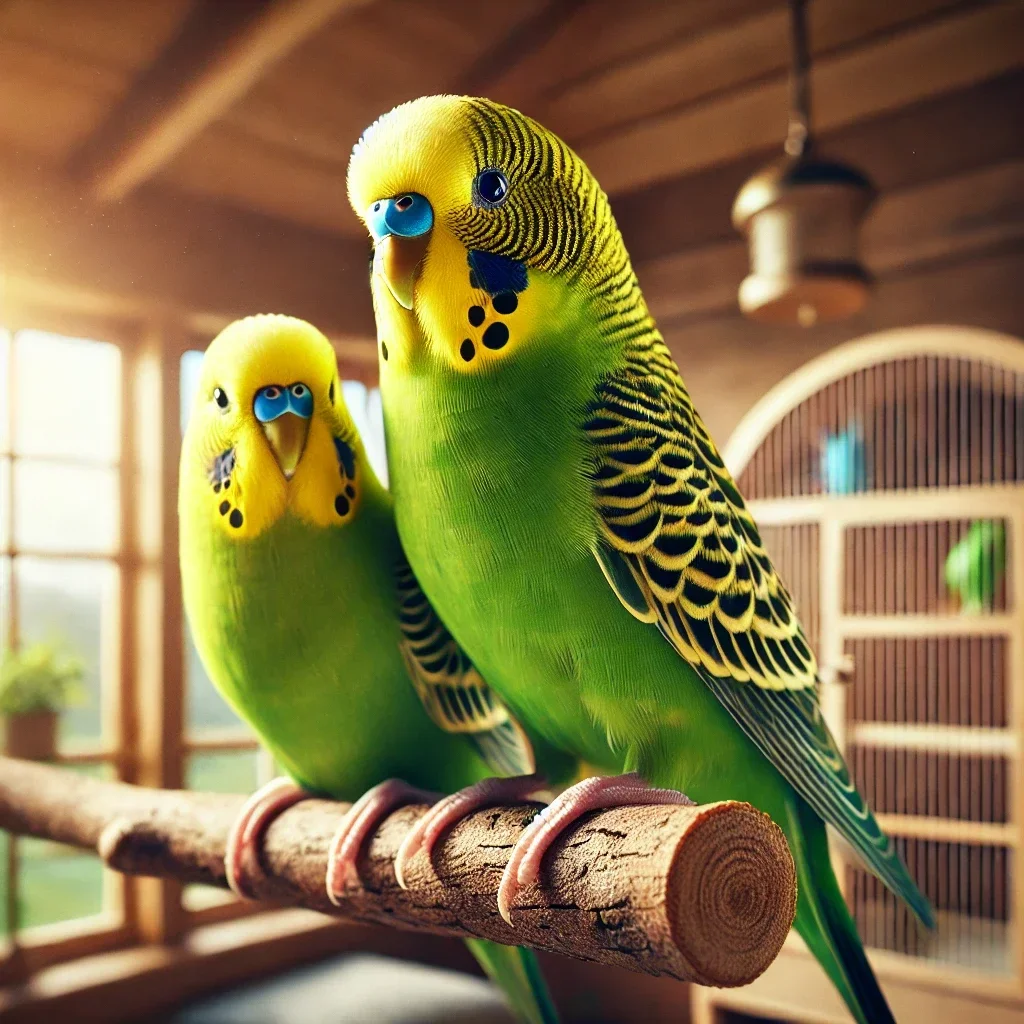
The Impact of Lighting on Your Pet Bird’s Health
Lighting plays a pivotal role in the health and well-being of pet birds. Many bird owners underestimate the importance of proper lighting, yet it significantly influences a bird’s behavior, metabolism, and overall health. In this blog post, we will explore the various ways lighting affects your pet bird and provide practical tips on creating an optimal environment for your feathered friend.
Why Natural Daylight is Essential for Birds
Birds, like many other animals, have an internal biological clock known as the circadian rhythm. This internal clock is regulated by exposure to natural daylight and darkness, helping birds distinguish between day and night. In the wild, birds rely on natural daylight to forage for food, escape predators, and engage in social behaviors. Domesticated birds also require adequate natural light to maintain their physical and psychological health.
The Role of the Circadian Rhythm
The circadian rhythm is crucial for a bird’s ability to function normally. Exposure to natural daylight helps regulate hormones that control appetite, energy levels, and sleep patterns. When a bird’s circadian rhythm is disrupted due to inadequate or irregular lighting, it can lead to behavioral problems such as stress, feather plucking, and excessive vocalization.
The Importance of UV Lighting for Birds
Ultraviolet (UV) lighting is another critical aspect of a bird’s environment. In the wild, birds are exposed to UV rays from the sun, which play a vital role in their calcium metabolism and bone health. UV light helps birds synthesize vitamin D3, which is essential for the absorption of calcium and phosphorus from their diet. Without sufficient UV light, birds can develop metabolic bone disease, a condition characterized by weak bones and skeletal deformities.
How UV Lighting Affects Feather Health
In addition to bone health, UV lighting also contributes to a bird’s feather health. Birds use UV light to see ultraviolet reflectances in feathers, which helps them assess the health and attractiveness of potential mates.Domesticated birds can benefit from UV lighting in the same way, as it helps them maintain their natural behavior and feather condition.
The Role of Artificial Lighting in Bird Care
Not all bird owners have the luxury of providing their birds with direct sunlight throughout the day. In such cases, artificial lighting becomes an essential component of a bird’s environment. High-quality full-spectrum lighting can mimic natural daylight and provide the necessary UV rays for your bird’s health.
Choosing the Right Lighting for Your Bird
When selecting artificial lighting for your bird, it’s important to choose a high-quality full-spectrum light bulb specifically designed for birds. These bulbs emit a broad spectrum of light, including UV rays, and are available in various intensities to suit different species of birds. Avoid using standard household light bulbs, as they do not provide the necessary UV light for your bird’s health.
The Importance of Photoperiod in Birds
The photoperiod, or the length of time a bird is exposed to light each day, plays a crucial role in regulating its hormones and behavior. Birds require a consistent photoperiod to maintain their natural behaviors, such as feeding, breeding, and molting. In the wild, the photoperiod changes with the seasons, triggering different behaviors in birds. Domesticated birds also need a consistent photoperiod to stay healthy and happy.
How to Create a Natural Photoperiod Indoors
To create a natural photoperiod for your bird, you can use a timer to regulate the lighting in your bird’s environment. Most birds require 10-12 hours of light and 12-14 hours of darkness each day, depending on the species. However, some birds, such as tropical species, may require longer photoperiods to mimic their natural habitat.
Health Implications of Inadequate Lighting
Inadequate lighting can lead to a variety of health problems in birds, including metabolic bone disease, feather plucking, and behavioral disorders. Birds that do not receive enough UV light may develop weak bones, while those exposed to excessive light may experience stress and agitation.
The Link Between Lighting and Behavior
Lighting also has a direct impact on a bird’s behavior. Birds that are exposed to irregular or inadequate lighting may exhibit abnormal behaviors such as excessive screaming, feather picking, or aggression. On the other hand, birds that receive proper lighting are more likely to engage in natural behaviors such as singing, flying, and social interaction.
How to Improve Lighting for Your Pet Bird
Improving the lighting in your bird’s environment can have a significant impact on its health and well-being. Here are some practical tips for creating an optimal lighting setup for your pet bird:
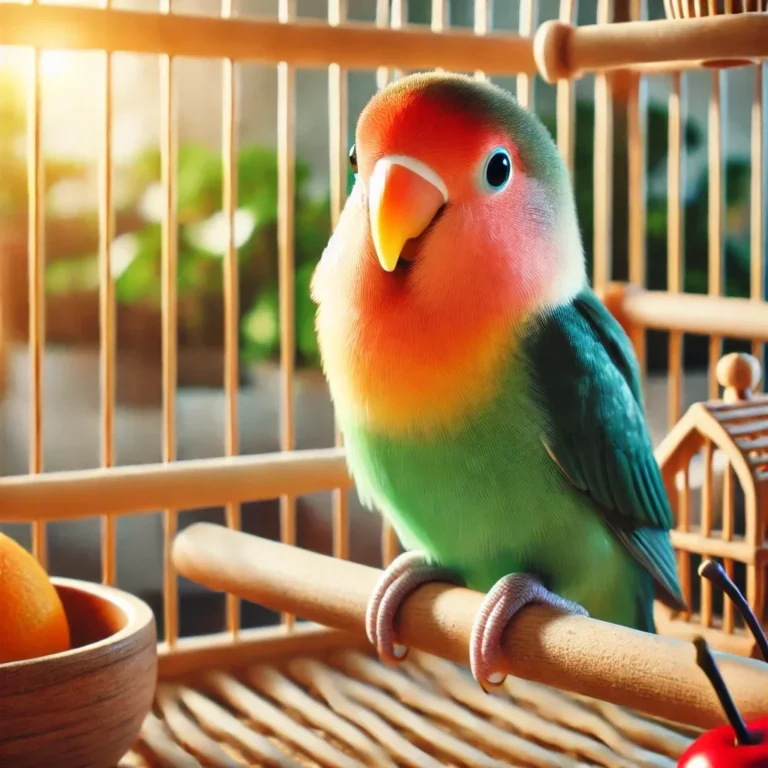
- Provide Natural Daylight: Place your bird’s cage near a window to allow exposure to natural daylight. However, make sure to protect your bird from direct sunlight, as it can cause overheating.
- Use Full-Spectrum Lighting: Install full-spectrum lighting in your bird’s cage to provide the necessary UV rays and mimic natural daylight.
- Regulate the Photoperiod: Use a timer to create a consistent photoperiod for your bird, with 10-12 hours of light and 12-14 hours of darkness each day.
- Avoid Overexposure: Ensure that your bird is not exposed to excessive light, as it can cause stress and other health problems.
Conclusion
Lighting is a critical factor in the health and well-being of pet birds. By providing natural daylight, using high-quality artificial lighting, and regulating the photoperiod, you can create an optimal environment for your feathered friend. Remember that every bird is different, so it’s important to research the specific lighting needs of your bird’s species to ensure the best possible care.
If you found this guide helpful, please share it with other bird enthusiasts who may benefit from this information. Together, we can help ensure that pet birds receive the care they need to thrive in captivity.
Learn more about circadian rhythms in birds.
Explore more resources on bird care from the Cornell Lab of Ornithology.
Visit the Avian Health Association for expert advice on bird health.