Creating an Enriching Indoor Environment for Cats
Creating a fulfilling indoor environment for your cat is essential for their mental and physical well-being. Indoor cats can live longer, healthier lives compared to outdoor cats, but they require stimulation and engagement to prevent boredom and obesity. In this guide, we’ll explore how to create an enriching indoor space tailored to your cat’s needs.
Why Indoor Environments Matter for Cat Well-being
Before diving into the specifics, it’s important to understand why indoor environments are crucial for your cat’s health and happiness. Indoor cats are protected from dangers such as traffic, predators, parasites, and diseases. However, they still need mental and physical stimulation to thrive.
A well-designed indoor environment can provide your cat with the exercise, mental stimulation, and sense of control they need. This can help prevent behavioral issues such as destructive scratching, excessive meowing, and inappropriate elimination.
Understanding Your Cat’s Needs
Cats are natural predators, and their behavior is driven by instincts such as hunting, climbing, and exploring. To create an enriching indoor environment, you need to cater to these instincts while ensuring their basic needs are met. Here are the key areas to focus on:
Physical Needs
- Space to Move: Cats need room to stretch, run, and play. Ensure your home has enough space for your cat to move freely.
- Comfort: Provide soft bedding, warm spots, and hiding places where your cat can rest and feel secure.
- Hygiene: Keep litter boxes clean and easily accessible. Cats are meticulous about cleanliness, and a dirty litter box can lead to health issues.
Mental Needs
- Stimulation: Cats need mental stimulation to prevent boredom. This can be achieved through play, puzzle feeders, and interactive toys.
- Social Interaction: While cats are often independent, they still need social interaction with their human family members or other pets.
- Sense of Control: Cats thrive in environments where they have control over their surroundings. This can be achieved by providing vertical space, observation points, and predictable routines.
Designing the Physical Environment
The physical layout of your home plays a significant role in your cat’s quality of life. Here are some tips to create a cat-friendly indoor environment:
Vertical Space
Cats are natural climbers and enjoy being elevated. Providing vertical space can help your cat feel safe and give them a sense of control over their environment. Here are some ways to incorporate vertical space:
- Cat Trees: Invest in a sturdy cat tree that allows your cat to climb, perch, and observe their surroundings.
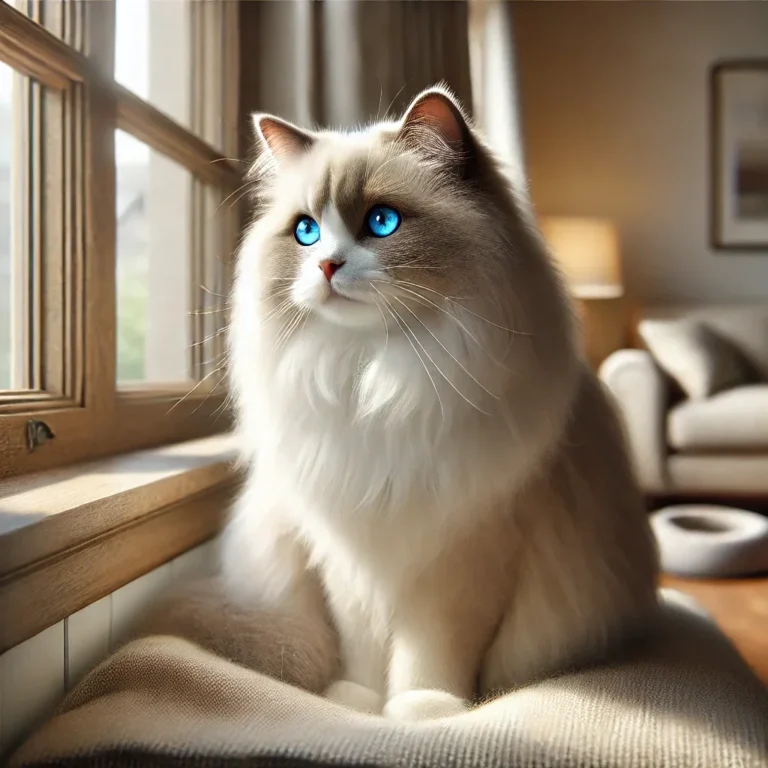
- Shelves and Ledges: Install cat shelves or ledges near windows so your cat can lounge and watch birds or other wildlife.
- Wall-Mounted Structures: Consider wall-mounted cat structures that provide additional climbing and perching opportunities.
Hiding Places
Cats often feel vulnerable in open spaces and need places to hide and feel secure. Here are some ideas for creating hiding places:
- Cardboard Boxes: Cats love hiding in cardboard boxes. Place a few strategically around your home.
- Tunnels and Tents: Provide cat tunnels or tents where your cat can retreat when they feel anxious.
- Enclosed Spaces: Consider providing a small, enclosed space such as a cat igloo or a covered cat bed.
Observation Points
Cats are curious creatures and enjoy observing their surroundings. Providing observation points can keep your cat entertained and mentally stimulated:
- Window Perches: Install window perches or catio windows that allow your cat to watch birds, squirrels, and other wildlife.
- Bird-Watching Stations: Set up a bird-watching station with a bird feeder or a birdbath outside a window.
- Interactive Toys: Use interactive toys such as laser pointers or feather wands to encourage hunting behavior.
Providing Mental Stimulation
Mental stimulation is crucial for preventing boredom and behavioral problems in indoor cats. Here are some ways to keep your cat’s mind engaged:
Interactive Play
Interactive play is one of the best ways to provide mental and physical stimulation for your cat. Here are some ideas:
- Laser Pointer Play: Use a laser pointer to mimic prey, encouraging your cat to chase and pounce.
- Feather Toys: Use feather wands or teasers to simulate hunting.
- Food Puzzle Toys: Provide puzzle feeders that challenge your cat to work for their food.
Environmental Enrichment
Environmental enrichment involves making changes to your cat’s environment to keep them interested and engaged. Here are some ideas:
- Rotate Toys: Rotate your cat’s toys regularly to keep them novel and interesting.
- Add New Objects: Introduce new objects such as cardboard boxes, paper bags, or new scratching posts.
- Sensory Stimulation: Provide different textures, smells, and tastes. For example, offer catnip, scratching posts with different textures, or interactive treat-dispensing toys.
Social Interaction
While cats are often independent, they still benefit from social interaction. Here are some ways to provide social interaction:
- Play with Your Cat: Spend time playing with your cat daily. This strengthens your bond and provides exercise.
- Multiple Cats: If you have multiple cats, ensure they have separate resources such as food and water stations, litter boxes, and scratching posts to reduce competition and stress.
- Socialization: Socialize your cat to people, other pets, and new environments to reduce anxiety and stress.
Ensuring Safety
While creating an enriching indoor environment, it’s important to ensure your home is safe for your cat. Here are some safety tips:
- Secure Loose Items: Secure any loose items such as vases, books, or decorations that could fall and injure your cat.
- Toxic Plants: Remove any toxic plants such as lilies, sago palms, or tulips that could harm your cat if ingested.
- Electrical Cords: Secure electrical cords and wires to prevent your cat from chewing on them.
- Toxic Substances: Keep toxic substances such as cleaning products, medications, and chemicals out of your cat’s reach.
Creating a Sense of Control
Providing a sense of control over their environment can help reduce stress and anxiety in cats. Here are some ways to do this:
- Predictable Routines: Establish predictable routines for feeding, playtime, and sleep to provide a sense of security.
- Resource Availability: Ensure your cat has easy access to essential resources such as food, water, litter boxes, and scratching posts.
- Safe Zones: Provide safe zones where your cat can retreat when they feel overwhelmed or stressed.
Conclusion
Creating an enriching indoor environment for your cat requires attention to their physical, mental, and emotional needs. By providing vertical space, hiding places, observation points, and mental stimulation, you can help your cat lead a happy and fulfilling life indoors. Remember to ensure safety and provide a sense of control over their environment to reduce stress and anxiety.
By implementing these tips, you can create an indoor environment that meets your cat’s needs and enhances their overall well-being. If you have any further questions or need more specific advice, consider reaching out to a veterinarian or a certified animal behaviorist for personalized guidance.
Now it’s your turn! Share your own tips and experiences for creating an enriching indoor environment for your cat in the comments below. Let’s work together to make our feline friends’ lives as happy and fulfilling as possible.