Signs Your Cat Needs a Health Check‑Up
As a cat owner, it’s natural to want the best for your feline friend. Cats are known for their independence and resilience, but they still need regular veterinary care to stay healthy. Recognizing the signs that your cat needs a health check-up can help prevent small issues from becoming major problems. In this post, we’ll explore the key indicators that it’s time to schedule a vet visit and provide tips on how to keep your cat thriving.
Why Regular Vet Visits Are Essential for Cats
Cats are masters at hiding illness, a trait that evolved from their wild ancestors. In the wild, showing signs of weakness could make them easy prey. While your domesticated cat isn’t facing predators, this natural instinct can make it difficult to spot health issues early. Regular vet visits are crucial for maintaining your cat’s health and catching potential problems before they escalate.
According to the ASPCA, cats should visit the vet at least once a year, even if they seem healthy. Senior cats or those with pre-existing conditions may need more frequent check-ups.
1. Changes in Appetite or Water Intake
A sudden increase or decrease in appetite could signal an underlying health issue. Cats are creatures of habit, and their eating patterns are typically consistent. If your cat starts eating more or less than usual, or shows disinterest in their favorite food, it’s time to consult your vet.
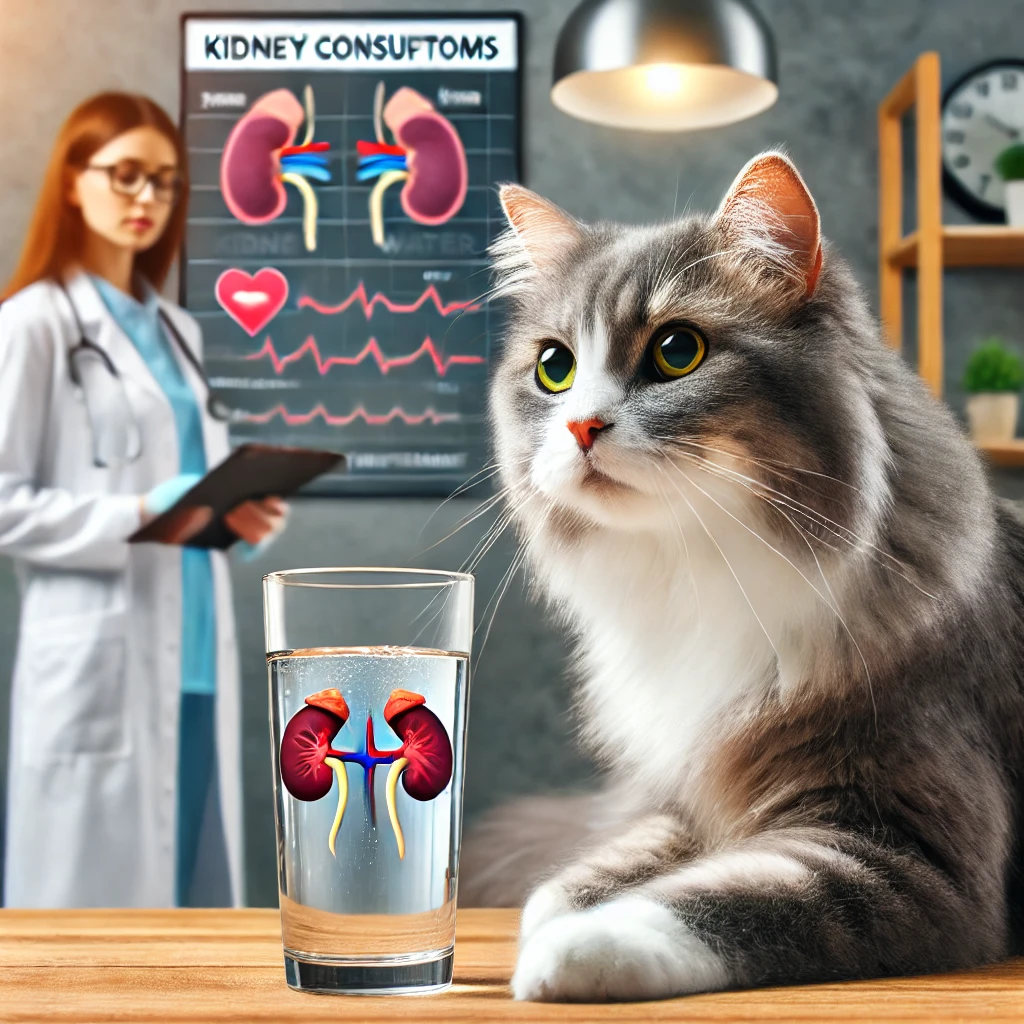
Similarly, changes in water intake should not be ignored. Excessive thirst could indicate kidney disease or diabetes, while a lack of interest in water might suggest dehydration or other issues.
2. Vomiting or Diarrhea
Occasional vomiting or diarrhea in cats can be caused by something as simple as eating something they shouldn’t or a hairball. However, if these symptoms persist for more than a day or are accompanied by other signs of illness, such as lethargy or loss of appetite, it’s important to seek veterinary care.
Chronic vomiting or diarrhea can lead to dehydration and electrolyte imbalances, which can be dangerous for cats. Your vet can help determine the underlying cause and recommend the appropriate treatment.
3. Weight Loss or Gain
Unexplained weight changes in cats can be a sign of an underlying health problem. If your cat is losing weight despite eating normally, it could indicate conditions such as hyperthyroidism, diabetes, or even cancer. Conversely, unexpected weight gain could be a sign of obesity or metabolic disorders.
Maintaining a healthy weight is crucial for your cat’s overall health. If you notice any significant changes, it’s important to discuss them with your vet.
4. Litter Box Changes
Cats are meticulous about their litter box habits, and any changes could indicate a health issue. If your cat starts avoiding the litter box, urinating outside of it, or showing signs of pain while urinating, it could be a sign of a urinary tract infection (UTI) or kidney stones.
Other changes to watch for include increased frequency of urination, blood in the urine, or stool changes such as diarrhea or constipation. These symptoms should prompt an immediate vet visit.
5. Skin Problems
Skin issues in cats can range from minor irritations to serious infections. If your cat is scratching excessively, has bald patches, or you notice redness, irritation, or scabs on their skin, it’s important to have them checked by a vet.
Fungal infections like ringworm or bacterial infections can cause skin problems in cats. In addition, parasites such as fleas, mites, or lice can lead to skin irritation and infestations. Early treatment is essential to prevent these conditions from becoming severe.
6. Eye or Ear Issues
Red, swollen, or discharge-filled eyes can be a sign of an infection or injury. Similarly, if your cat’s ears appear red, inflamed, or have a strong odor, it could indicate an ear infection.
Both eye and ear problems can lead to serious complications if left untreated. Your vet can diagnose the cause and provide the appropriate treatment to restore your cat’s comfort and health.
7. Lethargy or Changes in Behavior
Cats are generally active and curious, so a sudden change in behavior could be a sign of illness. If your cat becomes unusually lethargic, avoids play, or seems depressed, it’s important to investigate the cause.
Other behavioral changes to watch for include increased aggression, hiding, or vocalization. These can be signs of pain, stress, or underlying medical conditions that need to be addressed.
8. Breathing Difficulties
Difficulty breathing is a serious symptom that warrants immediate veterinary attention. Signs of respiratory distress in cats include rapid breathing, panting, wheezing, or coughing. These could be indicative of conditions such as asthma, pneumonia, or heart disease.
If your cat is having trouble breathing, it’s crucial to act quickly. Respiratory issues can escalate rapidly and become life-threatening.
9. Bad Breath
While it’s not uncommon for cats to have slightly unpleasant breath, especially after eating, persistent or severe bad breath can be a sign of dental problems. Tartar buildup, gum disease, or infected teeth can all cause halitosis in cats.
Dental health is closely linked to overall health, and untreated dental issues can lead to more serious conditions such as heart disease or kidney damage. Regular dental check-ups and cleanings are essential for maintaining your cat’s health.
10. Visible Injuries or Wounds
If your cat has visible injuries or unexplained wounds, it’s important to have them examined by a vet. Even minor injuries can become infected, leading to more serious health issues.
Outdoor cats are particularly at risk of injuries from fights, accidents, or encounters with wildlife. If your cat is limping, has cuts or bruises, or is acting painfully, seek veterinary care promptly.
When to Schedule an Emergency Vet Visit
While regular check-ups are important, there are certain situations that require immediate veterinary attention. If your cat experiences any of the following, contact your vet right away:
- Severe vomiting or diarrhea
- Difficulty breathing
- Collapse or loss of consciousness
- Severe injury or trauma
- Signs of poisoning
- Sudden inability to urinate
- Severe pain or distress
Preventative Care: The Key to a Healthy Cat
Preventative care is essential for maintaining your cat’s health and preventing costly vet bills. Regular check-ups allow your vet to monitor your cat’s health and catch potential issues early.
In addition to annual vet visits, consider the following preventative measures:
- Vaccinations: Keep your cat up-to-date on all necessary vaccinations to protect against serious diseases.
- Parasite Control: Use flea, tick, and heartworm prevention to protect your cat from parasites.
- Dental Care: Brush your cat’s teeth regularly and schedule dental cleanings as recommended by your vet.
- Nutrition: Feed a high-quality, balanced diet that meets your cat’s nutritional needs.
Conclusion: Prioritize Your Cat’s Health
Your cat’s health is in your hands, and recognizing the signs that they need a health check-up is one of the best ways to ensure they live a long, happy life. By staying vigilant and scheduling regular vet visits, you can help prevent health issues and address any problems early.
If you’ve noticed any of the signs mentioned in this post, don’t wait—contact your vet today to schedule a health check-up for your cat. Your furry friend will thank you!
Call-to-Action: If you suspect your cat is showing signs of illness or if it’s time for their regular check-up, contact your veterinarian today. Early detection and treatment can make all the difference in your cat’s health and happiness.