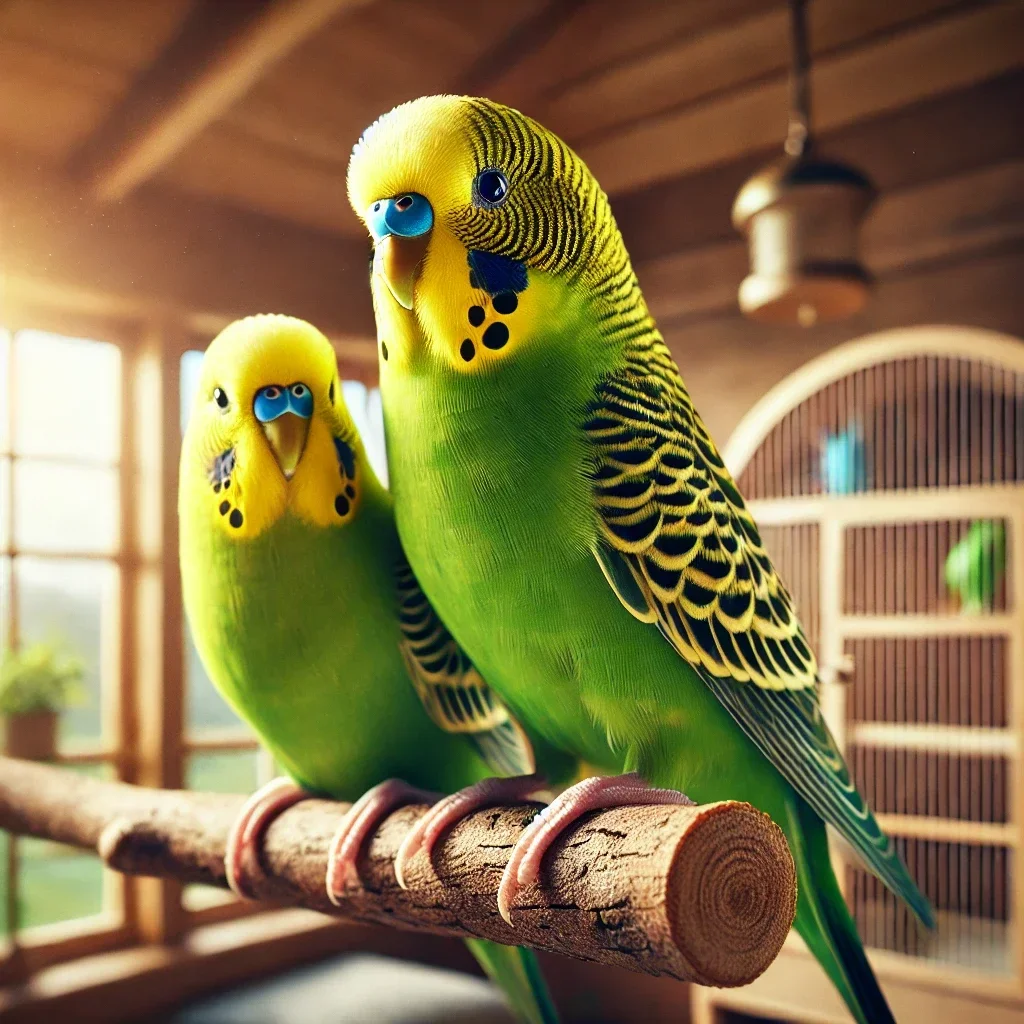
Training Techniques to Teach Your Bird Fun Tricks
Mastering Bird Training: Fun Tricks for Your Feathered Friend
Training a bird to perform tricks is not only entertaining but also a great way to strengthen the bond between you and your pet. Birds are intelligent creatures, capable of learning a variety of fun and impressive tricks with the right techniques. In this guide, we’ll explore the best training methods, tips, and tricks to teach your bird, helping you unlock its full potential.
Understanding Your Bird’s Behavior
Before diving into training, it’s essential to understand your bird’s behavior, personality, and learning capabilities. Different bird species have varying levels of intelligence and trainability. For example, parrots, cockatiels, and macaws are known for their ability to learn and mimic human speech, while other birds like canaries and finches may be more challenging to train.
Researching your bird’s species-specific traits can help you tailor your training approach. Some birds are more food-motivated, while others respond better to attention and praise. Understanding these nuances will make your training sessions more effective.
Key Characteristics of Trainable Birds
- Intelligence: Parrots, in particular, are renowned for their problem-solving abilities and memory, making them highly trainable.
- Social Interaction: Birds that are social by nature, such as cockatiels and African Greys, tend to respond well to interactive training.
- Curiosity: Curious birds are more likely to engage in learning new tricks and exploring their environment.
Basic Training Techniques for Birds
1. Positive Reinforcement
Positive reinforcement is the cornerstone of effective bird training. This method involves rewarding desired behaviors with something your bird finds pleasurable, such as treats, praise, or playtime. By associating the action with a positive outcome, your bird will be more likely to repeat the behavior.
Tips for Using Positive Reinforcement:
- Choose the Right Rewards: Identify your bird’s favorite treats or toys to use as rewards. Sunflower seeds, millet, and nuts are popular choices for many bird species.
- Timing is Everything: Reward your bird immediately after it performs the desired action. This helps the bird associate the action with the reward.
- Be Consistent: Use the same command or signal each time you ask your bird to perform a trick, ensuring clarity and consistency.
2. Start with Simple Commands
Begin with basic commands that your bird can easily learn. Simple tricks like “step up,” “sit,” and “shake hands” are great starting points. These foundational commands will build your bird’s confidence and lay the groundwork for more complex tricks.
Teaching the “Step Up” Command:
- Hold a treat in front of your bird’s chest, just below its beak.
- Slowly move the treat towards the perch or your hand, encouraging your bird to step onto it.
- Once your bird steps up, say “step up” and give the treat.
- Repeat this process until your bird learns the association between the command and the action.
3. Use Visual Cues
Many birds are visually oriented and respond well to visual cues. Using a stick, wand, or even a laser pointer can help guide your bird during training sessions. For example, you can use a target stick to teach your bird to touch a specific object or move in a particular direction.
Teaching Your Bird to Touch a Target Stick:
- Introduce the target stick by holding it near your bird while offering a treat.
- Encourage your bird to touch the stick by placing the treat on the end of the stick.
- Once your bird touches the stick, say “touch” and reward it with the treat.
- Gradually increase the distance and movement of the stick to help your bird follow it.
Advanced Bird Tricks
Once your bird has mastered basic commands, you can move on to more advanced tricks that will impress friends and family. Advanced tricks require patience, consistency, and repetition, but the results are well worth the effort.
1. Teaching Your Bird to Talk
One of the most impressive tricks you can teach your bird is to mimic human speech. While not all birds are capable of talking, many parrot species, such as African Greys, Amazon parrots, and cockatiels, are known for their ability to mimic words and phrases.
Tips for Teaching Your Bird to Talk:
- Choose Simple Words: Start with short, clear words like “hello,” “goodbye,” or “thank you.”
- Repeat, Repeat, Repeat: Say the word or phrase multiple times a day, encouraging your bird to mimic you.
- Use Positive Reinforcement: Reward your bird with treats or praise when it successfully mimics a word.
- Be Patient: Learning to talk can take time, so don’t get discouraged if progress is slow.
2. Teaching Your Bird to Fetch
Fetch is a fun and interactive trick that can provide hours of entertainment for both you and your bird. This trick not only exercises your bird’s mind but also encourages physical activity.
Steps to Teach Your Bird to Fetch:
- Choose a small, lightweight object like a ball or toy that your bird can easily pick up and carry.
- Place the object on the floor or a nearby perch and encourage your bird to pick it up.
- Use a command like “fetch” and guide your bird to bring the object back to you.
- Reward your bird with treats and praise when it successfully retrieves the object.
Maintaining Your Bird’s Training
Consistency is key when it comes to maintaining your bird’s training. Even after your bird has mastered a trick, it’s important to reinforce the behavior regularly to prevent forgetting.
1. Practice Regularly
Set aside time each day to practice tricks with your bird. Even a few minutes of practice can make a big difference in maintaining your bird’s skills.
2. Introduce New Challenges
To keep your bird engaged and mentally stimulated, introduce new tricks and challenges over time. This will prevent boredom and encourage continued learning.
3. Stay Positive
Always maintain a positive and patient attitude during training sessions. Birds are sensitive to their owner’s emotions, and a stressful environment can hinder the learning process.
Conclusion
Training your bird to perform fun tricks is a rewarding experience that strengthens your bond and enhances your bird’s quality of life. With patience, consistency, and the right techniques, you can teach your bird a variety of impressive tricks that will delight and entertain. Whether you’re a seasoned bird owner or a newcomer to the world of avian companionship, the tips and techniques outlined in this guide will help you unlock your bird’s full potential.
So, why wait? Start training your feathered friend today and discover the joy of watching your bird learn and grow. Happy training!
For more information on bird training and behavior, visit Wikipedia’s Guide to Parrot Training or check out The American Animal Hospital Association’s Tips on Pet Behavior.