The Smartest Cat Breeds and How to Train Them
Unlocking the Potential of the Smartest Cat Breeds
Cats are often known for their independence and unique personalities, but some breeds stand out for their exceptional intelligence. If you’re thinking of bringing a smart cat into your home, understanding their abilities and learning how to train them can create a fulfilling relationship for both you and your feline companion. In this post, we’ll explore the smartest cat breeds and provide practical tips on how to train them.
What Makes a Cat Breed Smart?
Intelligence in cats can be measured in various ways, including problem-solving abilities, adaptability, and responsiveness to commands. According to animal behaviorists, certain breeds exhibit higher cognitive abilities than others. These traits can make them more interactive and engaging pets. Below are some of the smartest cat breeds known for their intelligence.
1. Bengal Cats
Bengal cats are a hybrid breed, created by crossing domestic cats with the Asian leopard cat. Their intelligence is unparalleled, and they are often described as “dog-like” due to their ability to learn tricks and commands. Bengal cats are curious, active, and enjoy solving puzzles.
Training Bengal Cats
- Use Clicker Training: Bengal cats respond well to positive reinforcement. Use a clicker to reward good behavior, such as jumping through hoops or fetching toys.
- Provide Mental Stimulation: Offer puzzle toys filled with treats to keep them entertained and challenge their problem-solving skills.
- Leverage Their Curiosity: Bengal cats love exploring new environments. Create obstacle courses or introduce new toys regularly to keep them engaged.
2. Savannah Cats
Another hybrid breed, Savannah cats are known for their striking appearance and high intelligence. They are naturally curious and enjoy interacting with their human family members. Savannah cats are quick learners and can even be trained to walk on a leash.
Training Savannah Cats
- Start Early: Savannah kittens are highly receptive to training. Begin with basic commands like “sit” and “come” while they’re young.
- Use Positive Reinforcement: Reward desired behavior with treats or praise. Avoid punishment, as Savannah cats can be sensitive.
- Engage Their Playful Nature: Savannah cats love to play. Use feather toys or laser pointers to encourage physical activity and mental stimulation.
3. Abyssinian Cats
Abyssinian cats are one of the oldest breeds and are known for their intelligence and energy. They are highly interactive and enjoy solving problems. Abyssinians are also known for their ability to learn and perform tricks.
Training Abyssinian Cats
- Create Interactive Games: Abyssinians love to play hide-and-seek and fetch. These activities not only entertain them but also challenge their minds.
- Use Consistent Commands: Abyssinians respond well to consistent training. Use the same commands each time you want them to perform an action.
- Encourage Independence: While Abyssinians enjoy interacting with humans, they also value their independence. Allow them time to explore and play on their own.
4. Siamese Cats
Siamese cats are one of the most vocal and intelligent breeds. They are known for their ability to understand and respond to commands. Siamese cats are also highly social and thrive on interaction with their human family members.
Training Siamese Cats
- Leverage Their Vocal Nature: Siamese cats are talkative, and they can be trained to respond to specific sounds or voices. Use this to your advantage during training sessions.
- Focus on Socialization: Siamese cats are highly social and enjoy being around people. Train them to behave well in social situations by introducing them to new people and environments.
- Use Reward-Based Training: Positive reinforcement works well with Siamese cats. Reward them with treats or praise when they exhibit desired behavior.
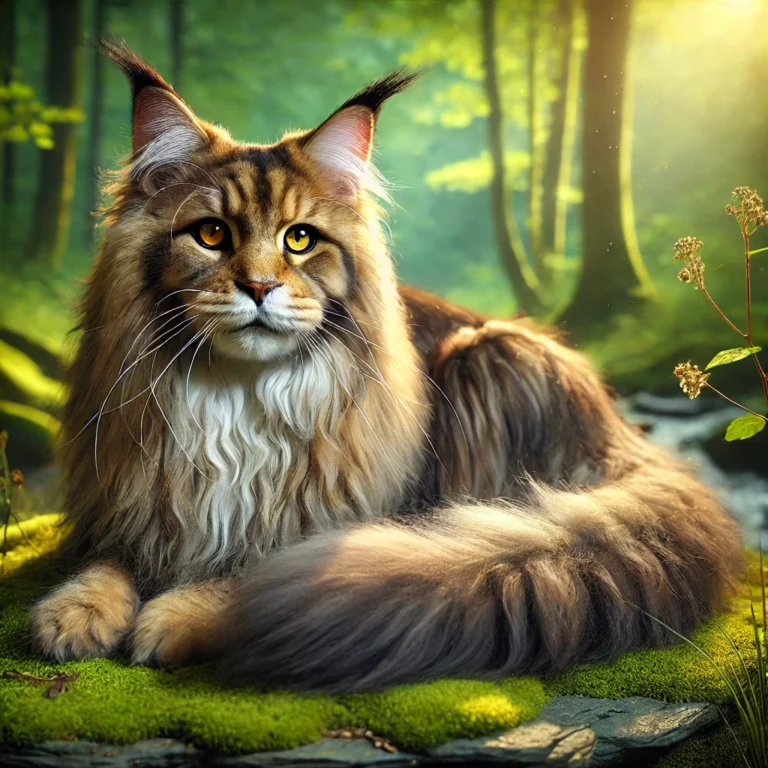
5. Maine Coon Cats
Maine Coon cats are known for their large size and gentle nature. They are also highly intelligent and easy to train. Maine Coons are known for their ability to learn tricks and even open doors.
Training Maine Coon Cats
- Teach Basic Commands: Maine Coons are quick learners. Teach them basic commands like “sit,” “stay,” and “come” using positive reinforcement.
- Encourage Problem-Solving: Maine Coons enjoy solving puzzles. Provide them with puzzle toys filled with treats to keep them mentally stimulated.
- Use Consistent Training: Maine Coons respond well to consistent training. Set aside time each day to practice commands and tricks.
The Importance of Mental Stimulation for Smart Cats
Intelligent cat breeds require mental stimulation to prevent boredom and destructive behavior. Cats that are not challenged mentally may resort to unwanted behaviors like scratching furniture or meowing excessively. Providing mental stimulation can be achieved through various activities, including:
- Puzzle Toys: Fillable puzzle toys that dispense treats are an excellent way to challenge your cat’s problem-solving abilities.
- Interactive Play: Use toys like feather wands or laser pointers to encourage physical activity and mental engagement.
- Environmental Enrichment: Create a stimulating environment by adding cat trees, scratching posts, and climbing structures.
Tips for Training Smart Cats
Training a smart cat requires patience, consistency, and positive reinforcement. Below are some general tips that work well for most intelligent cat breeds:
1. Use Clicker Training
Clicker training is a highly effective method for training cats. The basic idea is to associate a specific sound (the clicker) with a reward (treats). Over time, your cat will learn to associate the sound with desired behavior.
- Start with Simple Commands: Begin with basic commands like “sit” or “stay” and gradually move on to more complex behaviors.
- Be Consistent: Use the same command and hand signal each time you ask your cat to perform a specific action.
- Reward Immediately: Reward your cat immediately after they perform the desired behavior. This helps them associate the action with the reward.
2. Focus on Positive Reinforcement
Positive reinforcement is a key component of successful cat training. Rewarding desired behavior encourages your cat to repeat it, while punishing unwanted behavior can lead to fear and mistrust.
- Use Treats: Treats are an effective reward for cats. Choose small, tasty treats that your cat enjoys.
- Praise Your Cat: Verbal praise and affection can also be used as rewards. Many cats thrive on attention and will work hard to receive praise from their owners.
- Avoid Punishment: Punishing your cat for unwanted behavior can lead to fear and make training more difficult. Instead, focus on rewarding desired behavior.
3. Be Patient
Training a cat takes time and patience. Unlike dogs, cats are not as easily motivated by praise or rewards. Be patient with your cat and allow them to learn at their own pace.
- Keep Training Sessions Short: Cats have short attention spans and can become easily bored. Keep training sessions short and fun.
- End on a Positive Note: Always end training sessions on a positive note while your cat is still engaged. This helps maintain their interest and enthusiasm for future sessions.
4. Leverage Your Cat’s Natural Instincts
Cats are natural hunters, and many of their behaviors are driven by instinct. Leverage these instincts during training by using toys that mimic prey or by incorporating play into training sessions.
- Use Feather Toys: Feather toys are an excellent way to encourage natural hunting behavior. Use them to simulate prey and encourage your cat to chase and pounce.
- Incorporate Play: Incorporate play into training sessions to make them more engaging and fun for your cat.
5. Provide a Stimulating Environment
Providing a stimulating environment is essential for keeping your cat mentally and physically active. A bored cat is more likely to exhibit unwanted behaviors like scratching furniture or meowing excessively.
- Add Cat Trees and Climbing Structures: Cat trees and climbing structures provide your cat with a place to climb, explore, and observe their surroundings.
- Rotate Toys Regularly: Cats can become bored with the same toys over time. Rotate toys regularly to keep them interesting and engaging.
- Create a View: Provide your cat with a window perch or a spot near a window where they can watch birds or other animals outside.
The Impact of Nutrition on Cat Intelligence
While nutrition doesn’t directly determine a cat’s intelligence, a well-balanced diet rich in essential nutrients can support cognitive health. Ensuring your cat receives adequate amounts of protein, vitamins, and minerals can help maintain their mental and physical health.
- High-Quality Protein: Cats are obligate carnivores and require a diet rich in high-quality protein from animal sources. Look for cat food that lists meat as the first ingredient.
- Omega-3 Fatty Acids: Omega-3 fatty acids, particularly DHA, are important for brain health. Many premium cat foods include these essential fatty acids.
- Avoid Fillers and By-Products: Fillers and by-products can be difficult for cats to digest and provide little nutritional value. Choose a cat food that is free from unnecessary fillers.
Conclusion: The Rewards of Training Smart Cats
Training a smart cat can be a rewarding experience for both you and your feline companion. By leveraging their intelligence and providing mental and physical stimulation, you can strengthen your bond and create a more fulfilling relationship. Remember, every cat is unique, so take the time to understand your cat’s individual personality and tailor your training approach accordingly.
If you’re considering bringing a smart cat into your home, we encourage you to explore the breeds mentioned in this post. With the right approach, you can unlock your cat’s full potential and enjoy a lifetime of companionship and interaction.
Now, we’d love to hear from you! Do you have a smart cat at home? Share your experiences and tips for training your feline companion in the comments below. Let’s create a community of cat lovers dedicated to maximizing our cats’ intelligence and well-being.
Learn more about Bengal cats and their intelligence.
Read about Savannah cats and their unique traits.
Discover the history and intelligence of Abyssinian cats.
Explore the vocal and intelligent nature of Siamese cats.
Learn about the gentle giant, the Maine Coon cat.
Understanding the nutritional needs of your cat.
Tips for training your cat effectively.
By following these tips and understanding the unique needs of your cat, you can help them reach their full potential and enjoy a more engaging and interactive relationship.