How to Manage Shedding in Double-Coated Breeds
Understanding and Managing Shedding in Double-Coated Dog Breeds
Double-coated dog breeds, such as Siberian Huskies, Golden Retrievers, and German Shepherds, are known for their thick, insulating coats. While these coats provide protection and beauty, they also shed heavily, especially during shedding season. Managing shedding in double-coated breeds requires a combination of proper grooming, nutrition, and care. In this guide, we’ll explore how to manage shedding effectively and keep your dog comfortable and healthy.
Why Do Double-Coated Breeds Shed So Much?
Before diving into solutions, it’s important to understand why double-coated breeds shed so much. These breeds have two layers of fur: a soft undercoat and a coarser topcoat. The undercoat traps warm air next to the skin, providing insulation, while the topcoat protects the dog from the elements. During shedding season, which typically occurs in spring and fall, the undercoat is shed to make way for new growth.
Seasonal Shedding
Seasonal shedding is a natural process, but it can be intense in double-coated breeds. During this time, dogs shed their winter coat in the spring and their summer coat in the fall. This shedding cycle ensures that the dog’s coat remains healthy and appropriate for the changing seasons.
Factors That Influence Shedding
While seasonal shedding is natural, several factors can influence the amount and intensity of shedding. These include:
- Genetics: Some breeds shed more than others due to their genetic makeup.
- Climate: Dogs in warmer climates may shed more frequently or year-round.
- Health: Poor health, stress, or nutritional deficiencies can lead to excessive shedding.
- Hormonal Changes: Hormonal imbalances can affect the shedding cycle.
The Importance of Regular Grooming
Regular grooming is essential for managing shedding in double-coated breeds. It not only reduces the amount of loose hair but also helps prevent matting and tangling, which can cause discomfort for your dog. Additionally, grooming strengthens the bond between you and your dog and helps you monitor your dog’s overall health.
Tools for Grooming Double-Coated Breeds
The right tools are crucial for effective grooming. Here are some essential tools you’ll need:
- Slicker Brush: This brush is designed to remove tangles and mats from the coat.
- Pin Brush: A pin brush is gentler on the coat and can be used for everyday grooming.
- Deshedding Rake: A deshedding rake is specifically designed to remove loose hair from the undercoat.
- Undercoat Rake: This tool is used to gently remove shedding undercoat.
- Shedding Blade or Furminator: These tools are excellent for removing large amounts of loose hair.
- Brushing Gloves: These gloves allow you to remove loose hair while giving your dog a gentle massage.
- Mat Breaker: A mat breaker is used to gently work out mats and tangles without causing pain.
Tips for Brushing Your Double-Coated Dog
Brushing your double-coated dog requires patience and care. Here are some tips to keep in mind:
- Be Gentle: Avoid pulling or yanking on mats or tangles, as this can hurt your dog.
- Brush in the Right Direction: Always brush in the direction of hair growth to avoid causing discomfort or skin irritation.
- Use the Right Brush for the Job: Use a deshedding rake or shedding blade for heavy shedding, and a pin or slicker brush for everyday grooming.
- Brush Regularly: Regular brushing helps reduce shedding and prevents matting and tangling.
- Make It a Positive Experience: Reward your dog with treats and praise to make grooming a positive experience.
The Role of Bathing in Managing Shedding
Bathing can help reduce shedding by removing loose hair and keeping the coat clean and healthy. However, over-bathing can strip the coat of its natural oils, leading to dryness and irritation. Here are some tips for bathing your double-coated breed:
- Bathe Sparingly: Bath your dog only as needed, typically every 2-3 months unless they get dirty or develop an odor.
- Use the Right Shampoo: Use a high-quality shampoo that is formulated for double-coated breeds.
- Condition Thoroughly: Use a conditioner after shampooing to keep the coat moisturized and manageable.
- Avoid Over-Bathing: Over-bathing can lead to dryness and irritation, which can exacerbate shedding.
Nutrition and Shedding
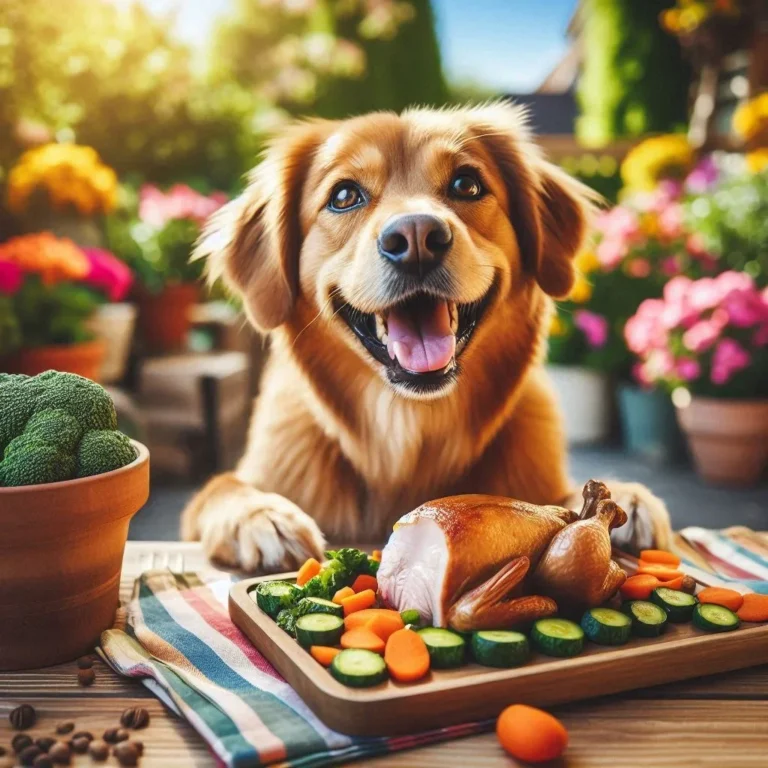
Proper nutrition plays a crucial role in maintaining a healthy coat and reducing shedding. A well-balanced diet that includes high-quality protein sources, fatty acids, and vitamins and minerals can help keep your dog’s coat healthy and reduce shedding. Here are some nutritional tips:
- High-Quality Protein: Ensure your dog’s diet is rich in high-quality protein sources such as chicken, beef, or fish.
- Omega-3 Fatty Acids: Omega-3 fatty acids, found in fish oil, flaxseed, and other sources, help keep the coat healthy and reduce shedding.
- Vitamins and Minerals: Ensure your dog is getting all the essential vitamins and minerals, including vitamin E, zinc, and biotin, which are important for skin and coat health.
- Avoid Fillers and By-Products: Avoid dog foods that contain fillers and by-products, as they can lead to nutritional deficiencies.
Supplements for Shedding
In addition to a balanced diet, there are several supplements that can help reduce shedding. These include:
- Omega-3 Fatty Acids: Omega-3 fatty acids, particularly EPA and DHA, are essential for skin and coat health.
- Vitamin E: Vitamin E helps protect the skin and coat from damage caused by free radicals.
- Zinc: Zinc is essential for skin health and can help reduce shedding.
- Biotin: Biotin is a B-vitamin that is important for skin, coat, and nail health.
- Apple Cider Vinegar: Apple cider vinegar can help balance the pH of the skin and reduce shedding.
Professional Grooming
While regular grooming at home is essential, professional grooming can provide additional benefits. A professional groomer can help remove large amounts of loose hair, prevent matting and tangling, and ensure your dog’s coat is healthy and well-maintained. If you’re struggling with shedding or your dog has developed mats or tangles, consider taking them to a professional groomer.
When to See a Veterinarian
While shedding is a natural process, excessive shedding can be a sign of an underlying health issue. If your dog is shedding more than usual, or if their coat appears dull, brittle, or patchy, it’s important to consult with a veterinarian. Excessive shedding can be caused by a variety of health issues, including skin allergies, parasites, hormonal imbalances, and nutritional deficiencies.
Conclusion
Managing shedding in double-coated breeds requires a combination of regular grooming, proper nutrition, and care. By using the right grooming tools, bathing sparingly, and providing a balanced diet, you can help reduce shedding and keep your dog’s coat healthy and well-maintained. Remember to consult with a veterinarian if you notice any signs of excessive or abnormal shedding.
If you found this guide helpful, please share it with fellow dog owners and leave a comment below with your tips for managing shedding in double-coated breeds!
For more information on dog grooming and care, visit American Kennel Club or consult with a professional groomer.