Essential Care Tips for Happy Hamsters and Guinea Pigs
How to Keep Your Hamsters and Guinea Pigs Happy and Healthy
Welcoming a hamster or guinea pig into your family can bring immense joy, but it also comes with responsibilities. These small, furry friends rely on you for their well-being. In this guide, we’ll explore essential care tips to ensure your hamsters and guinea pigs live happy, healthy lives.
Understanding Their Needs
Before diving into care tips, it’s crucial to understand the unique needs of hamsters and guinea pigs. Both are popular pets, but they have distinct requirements.
Hamsters
Hamsters are curious and energetic, often enjoyed for their playful nature. They are nocturnal, meaning they are most active at night, and are typically solitary animals.
Guinea Pigs
Guinea pigs, on the other hand, are social, gentle, and enjoy human interaction. They thrive in pairs or groups and are diurnal, active during the day.
1. Provide the Right Housing
Proper housing is vital for the health and happiness of your pets.
Cage Size
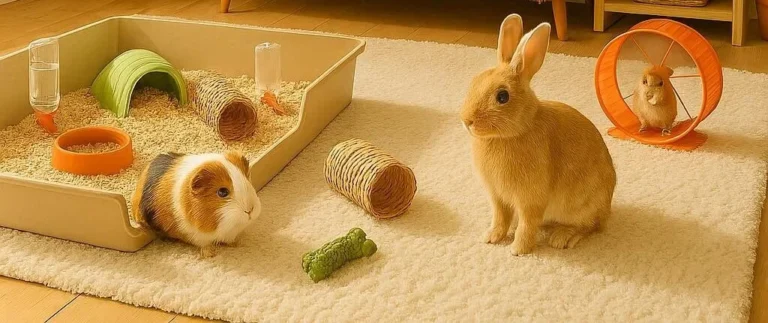
- Hamsters: A minimum cage size of 24 inches long, 12 inches wide, and 12 inches tall is recommended.
- Guinea Pigs: A larger cage is necessary, at least 30 inches long, 18 inches wide, and 18 inches tall.
Bedding
Avoid using pine or cedar wood shavings, as they can cause health issues. Opt for safe bedding options like:
- Aspen shavings
- Hay
- Pelleted bedding
Accessories
- Wheels: Provide a solid-bottomed wheel for hamsters to prevent injury.
- Tunnels and Tents: Add hiding places and toys to keep your pets entertained.
2. Nutrition for Optimal Health
A balanced diet is essential for your pet’s well-being.
Hamsters
- High-Quality Hamster Food: Offer a mix of grains, seeds, and dried vegetables.
- Fresh Vegetables: Carrots, broccoli, and spinach are great additions.
- Fruits in Moderation: Apples and bananas can be occasional treats.
- People Foods to Avoid: Onions, garlic, and chocolate are harmful.
Guinea Pigs
- Hay and Pellets: High-quality guinea pig pellets supplemented with timothy hay.
- Fresh Vegetables Daily: Leafy greens like kale and spinach are excellent choices.
3. Health and Hygiene
Regular health checks and a clean environment are crucial.
Signs of Illness
- Labored breathing
- Wetness around the eyes or nose
- Lethargy
Hygiene Tips
- Clean the cage at least weekly, removing soiled bedding and droppings.
- Ensure access to fresh water daily.
4. Playtime and Enrichment
Mental and physical stimulation prevents boredom and stress.
Playtime Outside the Cage
- Use a safe, escape-proof area or playpen.
- Supervise to prevent accidents.
Environmental Enrichment
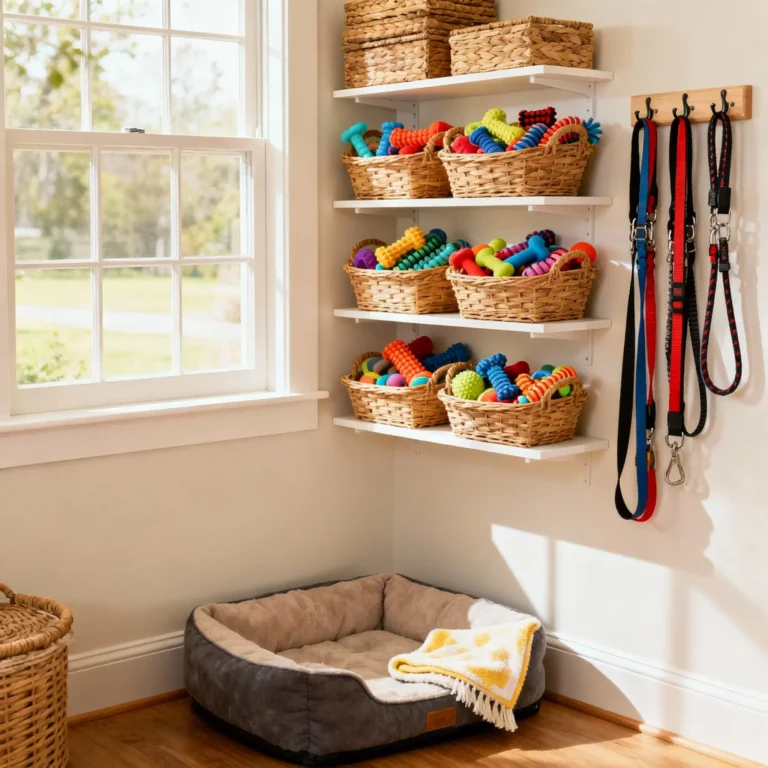
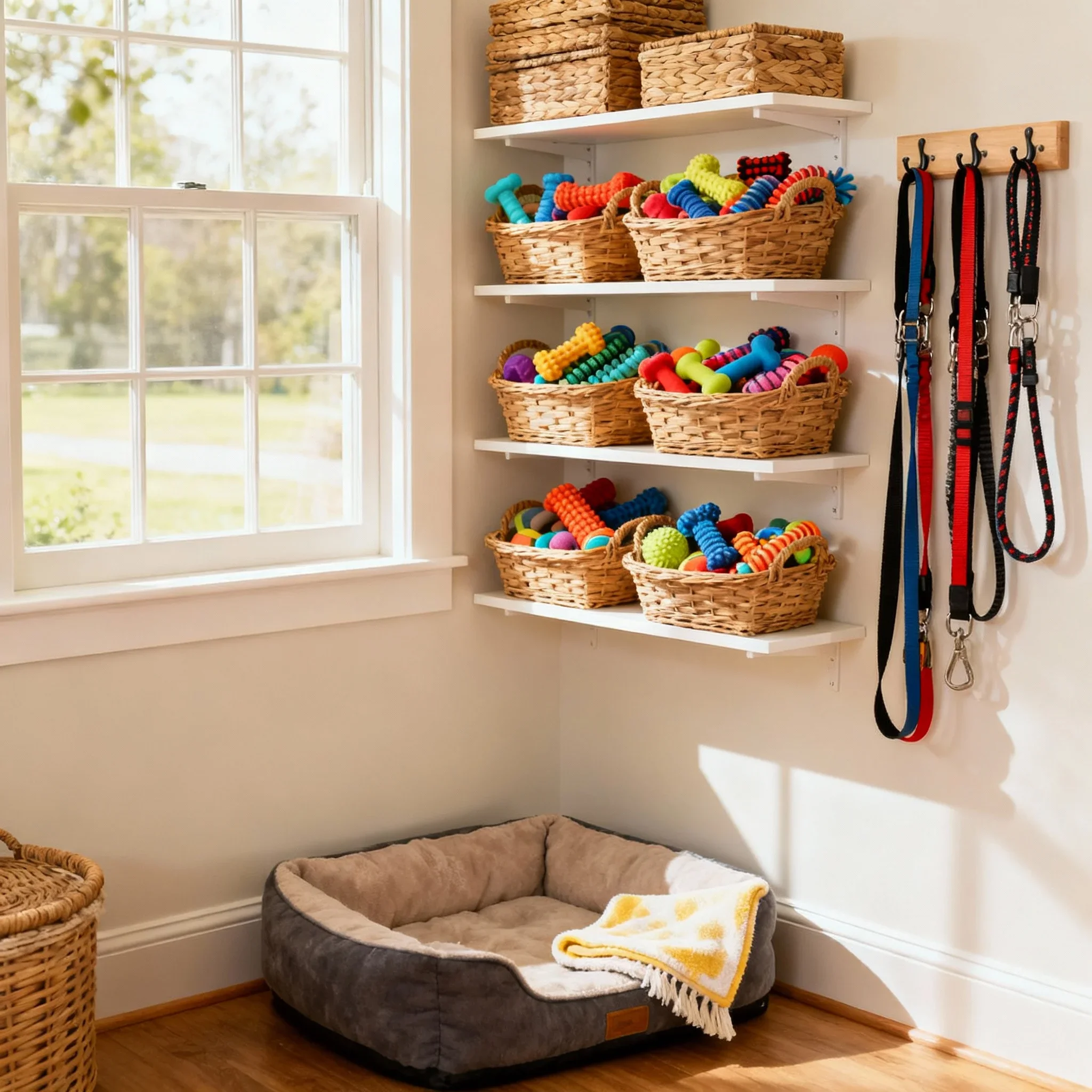
- Rotate toys regularly to keep your pets interested.
- Provide chew toys to maintain dental health.
5. Handling and Social Interaction
Proper handling fosters trust and reduces stress.
Tips for Handling
- Approach gently and move slowly.
- Support their body when lifting.
- Avoid handling when they are stressed or scared.
Social Interaction
- Hamsters prefer solitude; housing them together can lead to fights.
- Guinea pigs are social and benefit from a companion.
Conclusion
By providing the right housing, diet, health care, playtime, and handling, you can ensure your hamsters and guinea pigs lead happy, healthy lives. Consistent care and attention will build a strong bond with your pets, enriching your experience as a pet owner.
If you have any questions or would like to share your experiences, feel free to comment below!
FAQ
Q: What is the average lifespan of hamsters and guinea pigs?
A: Hamsters typically live for 1.5 to 3 years, while guinea pigs may live for 5 to 7 years.
Q: Can hamsters and guinea pigs be kept together?
A: Generally, it’s not recommended. Hamsters and guinea pigs have different social needs and may stress each other.
Q: How often should I clean their cage?
A: Clean the cage weekly, removing soiled bedding and disinfecting surfaces.
Q: What are good toys for hamsters and guinea pigs?
A: Tunnels, chew toys, and untreated wood toys are excellent choices.
Q: How much time should I spend with my pets daily?
A: Spend about 30 minutes daily interacting with your pets, whether through playtime or handling.