Choosing the Perfect Small Pet for Your Lifestyle
Are you considering bringing a small pet into your home? With so many options available, selecting the right one can feel overwhelming. Whether you’re a first-time pet owner or looking to expand your furry family, picking a pet that fits your lifestyle is crucial for a happy and healthy relationship. In this guide, we’ll explore how to choose the perfect small pet that aligns with your living situation, schedule, and personality.
Understanding Your Lifestyle
Before diving into the world of small pets, it’s essential to assess your lifestyle. Your daily routine, living space, and the amount of time you can dedicate to a pet will significantly influence your decision. Here are some key factors to consider:
- Time Commitment
Small pets vary in their needs. While some require constant attention and interaction, others are more independent. If you have a busy schedule or travel frequently, a low-maintenance pet might be the best fit. On the other hand, if you enjoy spending time at home and can dedicate hours to caring for your pet, a more social and interactive animal could be ideal. - Living Space
Your living situation plays a major role in determining which small pet is right for you. If you live in an apartment with limited space, a compact pet like a hamster or a fish might be perfect. However, if you have a larger home with a yard, you might consider a pet that requires more space, such as a rabbit or a guinea pig. - Allergies and Sensitivities
Allergies are a common concern when bringing a new pet into your home. While some pets, like fish, are hypoallergenic, others, such as dogs or cats, can trigger allergic reactions. It’s important to consider not only your own allergies but also those of your family members and frequent visitors. - Budget
Owning a pet comes with expenses. Food, toys, bedding, and veterinary care can add up quickly. Small pets generally have lower costs compared to dogs or cats, but some, like rabbits, can still require a significant investment. Setting a budget and sticking to it will help ensure that you can provide the best possible care for your new companion.
Popular Small Pets for Different Lifestyles
Now that you’ve considered your lifestyle, let’s explore some of the most popular small pets and the lifestyles they suit best.
- Hamsters
Hamsters are a classic choice for many pet owners. They are small, adorable, and relatively low-maintenance. Ideal for:
- Busy individuals with limited time
- Those living in small apartments
- Families with young children
- Beginners who want to learn the basics of pet care
Pros:
- Affordable to care for
- Quiet and discreet
- Entertaining to watch
- Short lifespan (1.5-3 years), making them a good choice for those who don’t want a long-term commitment
Cons:
- Nocturnal, so they may be active at night
- Short lifespan can be a downside for some owners
- Not as social as other pets
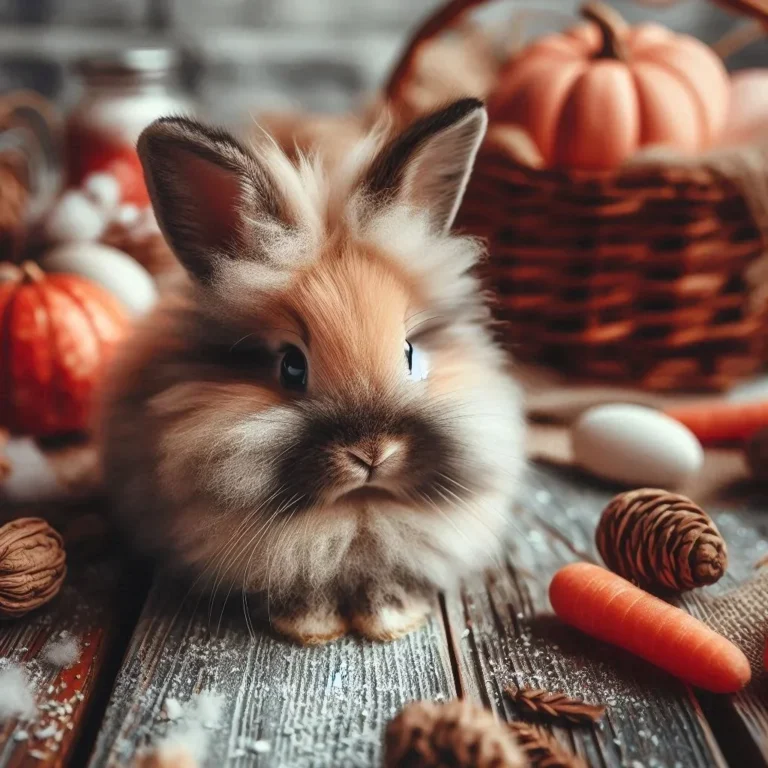
- Rabbits
Rabbits have gained popularity as pets in recent years, and for good reason. They are intelligent, social, and can be litter trained. Ideal for:
- Active individuals who enjoy interacting with their pets
- Those with larger living spaces or outdoor areas
- Families looking for a pet that can be part of the family
- People who are willing to invest time in caring for their pet
Pros:
- Can be very affectionate and social
- Relatively clean and easy to train
- Active and entertaining to watch
- Long lifespan (8-12 years), making them a great long-term companion
Cons:
- Require a lot of space to move around
- Can be destructive if not properly trained
- Need regular grooming
- More expensive than some other small pets
- Guinea Pigs
Guinea pigs are gentle, friendly, and social animals that make great pets for the right owner. Ideal for:
- Families with children
- Those who enjoy interacting with their pets
- Owners who can provide a spacious cage or enclosure
- People looking for a pet that is relatively low-maintenance
Pros:
- Social and enjoy human interaction
- Relatively quiet and calm
- Easy to care for
- Can be kept in pairs or groups
- Short lifespan (5-7 years)
Cons:
- Require a large cage or enclosure
- Can be skittish if not handled properly
- Prone to health issues if not fed a proper diet
- Not ideal for busy owners who can’t spend much time with them
- Birds
Birds are intelligent and colorful pets that can bring joy and companionship into your home. Ideal for:
- Those who enjoy interactive pets
- Owners who can provide a spacious cage or aviary
- People who are interested in teaching tricks and commands
- Families looking for a pet that can be a central part of the household
Pros:
- Colorful and entertaining to watch
- Can be very social and affectionate
- Some species are good talkers
- Relatively low-maintenance compared to dogs or cats
- Can be kept in pairs or groups
Cons:
- Require regular social interaction
- Can be noisy, especially in the morning and evening
- Need a spacious and well-equipped cage
- Some species have long lifespans (up to 50 years or more)
- Can be messy with feathers and droppings
- Fish
Fish are a great option for anyone looking for a low-maintenance pet. Ideal for:
- Busy individuals who don’t have much time to care for a pet
- Those living in small spaces with limited room
- Families with young children who want to introduce them to pet care
- Owners who enjoy the calming effect of watching fish swim
Pros:
- Extremely low-maintenance
- Quiet and discreet
- Affordable to care for
- A wide variety of species to choose from
- Can be kept alone or in schools
- Short lifespan (1-5 years)
Cons:
- Not interactive or social
- Limited in terms of personality
- Requires a proper aquarium setup
- Can be a hassle to clean the tank regularly
- Ferrets
Ferrets are playful, curious, and full of energy. They make great pets for owners who enjoy interactive and entertaining companions. Ideal for:
- Active individuals who enjoy playing with their pets
- Those with larger living spaces or outdoor areas
- Families looking for a pet that can be part of the family
- People who are willing to invest time in caring for their pet
Pros:
- Highly intelligent and trainable
- Playful and entertaining to watch
- Can be very affectionate and social
- Relatively clean and easy to train
- Short lifespan (7-9 years)
Cons:
- Require a lot of space to move around
- Can be destructive if not properly trained
- Need regular grooming
- More expensive than some other small pets
- Can have a strong odor if not kept clean
Making the Final Decision
Choosing the perfect small pet for your lifestyle is a personal decision that should be made with careful consideration. Each type of pet has its unique needs and requirements, and what works for one person may not work for another. Here are some final tips to help you make your decision:
- Do Your Research
Take the time to research each type of small pet you’re interested in. Learn about their specific needs, personality traits, and any potential health issues. This will help you narrow down your options and ensure you’re making an informed decision. - Consider Your Family
If you’re choosing a pet for your family, make sure everyone is on board and willing to help with the responsibilities. This is especially important if you have young children who may not fully understand how to care for a pet. - Visit a Pet Store or Shelter
Meeting a pet in person can give you a better idea of whether it’s the right fit for you. Many pet stores and shelters allow you to interact with the animals, which can help you gauge your compatibility. - Ask Questions
Don’t be afraid to ask questions. Pet store employees, breeders, and animal shelters are great resources for learning more about the pets you’re interested in. They can provide valuable insights and help you avoid common pitfalls. - Prepare Your Home
Before bringing your new pet home, make sure your space is prepared. This includes setting up the necessary equipment, such as cages, food, toys, and bedding, as well as pet-proofing your home if needed. - Be Patient
Choosing the perfect small pet is a process that shouldn’t be rushed. Take your time and weigh your options carefully. Remember, this is a commitment that will bring joy and companionship into your life, so it’s worth taking the extra time to get it right.
Conclusion
Choosing the perfect small pet for your lifestyle is an exciting journey that can bring immense joy and companionship into your life. By carefully considering your lifestyle, researching different types of pets, and preparing your home, you can find a furry (or feathered) friend that you’ll love and cherish for years to come. Remember, every pet is unique, and the right one for you will depend on your individual needs and preferences. So take your time, do your research, and get ready to welcome your new best friend into your family!
What small pet do you think would be the best fit for your lifestyle? Share your thoughts and experiences in the comments below! We’d love to hear from you.