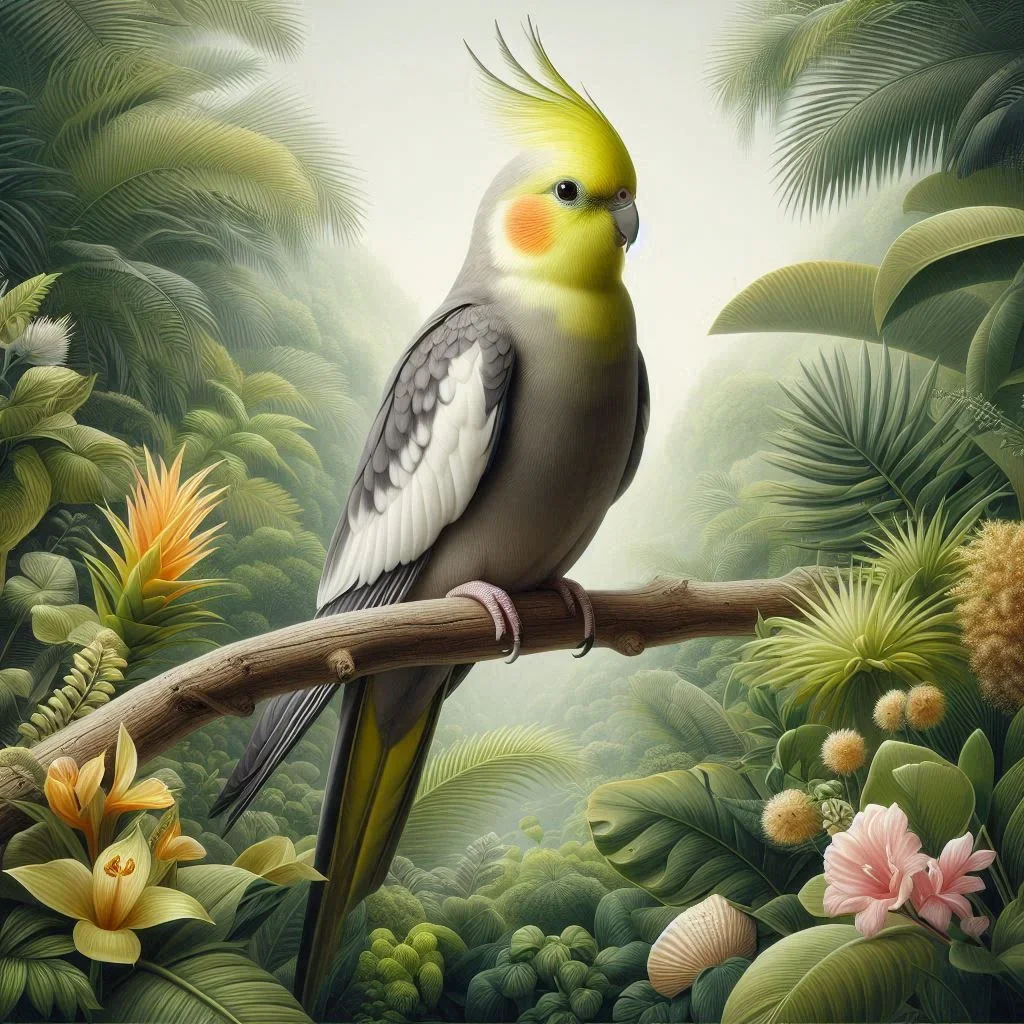
Essential Daily Care Tips for Happy Pet Birds
Keeping pet birds can be a rewarding and enjoyable experience, but it requires a commitment to provide the proper care and attention they need to thrive. Birds are intelligent, social creatures with specific needs that go beyond just food and water. To ensure your feathered friend lives a happy and healthy life, follow these essential daily care tips.
1. Provide a Balanced and Nutritious Diet
Just like humans, birds require a well-rounded diet to stay healthy. A poor diet can lead to malnutrition, sickness, and a shorter lifespan. The type of food your bird needs depends on its species, but most birds benefit from a high-quality commercial pellet as the main staple of their diet, supplemented with fresh fruits, vegetables, and occasional treats.
- High-Quality Pellets: Choose a pellet specifically formulated for your bird’s species and life stage (e.g., adult, juvenile, breeding). Avoid generic seed mixes, as they are often high in fat and low in essential nutrients.
- Fresh Fruits and Vegetables: Offer a variety of fresh fruits and vegetables daily. Examples include apples, carrots, sweet potatoes, broccoli, and leafy greens like kale and spinach. Avoid giving avocado, as it can be toxic to birds.
- Treats in Moderation: Treats like sunflower seeds, nuts, and millet can be given in small amounts but should not make up more than 10% of their diet.
- Fresh Water: Ensure your bird always has access to clean, fresh water. Change the water daily to prevent bacterial growth.
2. Create a Safe and Stimulating Environment
Birds need a spacious and engaging environment to stay physically and mentally healthy. Their enclosure should be large enough to allow for flying, stretching, and exercise.
- Cage Size: Choose a cage that is tall and wide, providing ample space for your bird to move around. The minimum cage size depends on the species, but a good rule of thumb is to opt for the largest cage you can afford and have space for.
- Toys and Accessories: Provide a variety of toys to keep your bird entertained and stimulated. Rotate toys regularly to prevent boredom. Include chew toys, swings, ladders, and foraging toys to encourage natural behaviors.
- Perches: Offer different types of perches to keep your bird’s feet healthy. Natural wood perches, rope perches, and concrete perches can help maintain foot health and prevent sores.
- Safety First: Ensure the cage is free from hazards, such as sharp edges, loose wires, or toxic materials. Place the cage in a safe location away from drafts, direct sunlight, and predators.
3. Promote Social Interaction
Birds are social animals that thrive on interaction. Many species are flock animals and require companionship to stay happy and mentally healthy.
- Spend Quality Time: Dedicate time each day to interact with your bird. Talk to them, play with them, and let them out of their cage to explore and exercise.
- Socialize Your Bird: If you have a single bird, consider getting a companion. However, introduce new birds slowly and under controlled circumstances to avoid stress and aggression.
- Train Your Bird: Teach your bird tricks and commands to engage their mind and strengthen your bond. Positive reinforcement techniques, such as offering treats for good behavior, work well.
4. Monitor Health and Hygiene
Regular health checks and proper hygiene practices are crucial for maintaining your bird’s well-being.
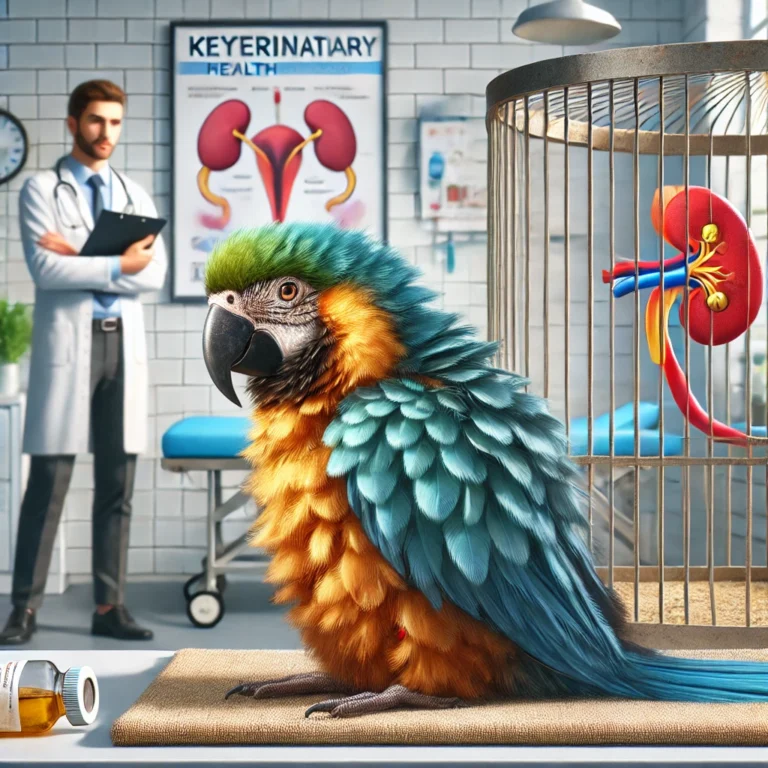
- Daily Health Checks: Observe your bird’s behavior, appetite, and droppings daily. Look for signs of illness, such as fluffed feathers, labored breathing, or changes in droppings.
- Clean the Cage Regularly: Clean your bird’s cage at least once a week, removing soiled bedding, washing food and water dishes, and disinfecting surfaces. Provide fresh bedding material, such as paper-based products or wood shavings.
- Nail and Beak Care: Trim your bird’s nails and beak regularly to prevent overgrowth, which can cause discomfort and health issues. You can do this yourself or take your bird to a veterinarian.
- Veterinary Care: Schedule annual check-ups with a qualified avian veterinarian to monitor your bird’s health and catch potential issues early.
5. Provide Mental Stimulation
Birds are intelligent creatures that need mental stimulation to prevent boredom and stress.
- Rotate Toys: Rotate your bird’s toys regularly to keep them interesting and engaging. Introduce new toys periodically to challenge your bird.
- Foraging Activities: Encourage foraging behavior by hiding food or using foraging toys. This mimics natural behaviors and keeps your bird mentally active.
- Window Perches: Place a window perch near a window to allow your bird to observe the outdoors. This provides entertainment and mental stimulation.
- Playtime Outside the Cage: Allow your bird to explore outside of its cage under supervision. Use a bird-safe room or a play area where they can fly and exercise freely.
6. Establish a Daily Routine
A consistent daily routine helps your bird feel secure and reduces stress.
- Meal Times: Stick to a regular feeding schedule to ensure your bird knows when to expect food.
- Play and Interaction: Set aside specific times each day for play and interaction to provide consistency and structure.
- Sleep Schedule: Ensure your bird gets adequate sleep by maintaining consistent light and dark cycles. Most birds need 10-12 hours of sleep per night.
- Cage Maintenance: Establish a routine for cleaning the cage and changing bedding to keep your bird’s environment clean and comfortable.
7. Protect Against Common Health Issues
Like any pet, birds are susceptible to certain health issues that can be prevented or managed with proper care.
- Respiratory Issues: Keep your bird’s environment free from dust, smoke, and other airborne irritants. Avoid placing the cage near cooking areas or strong-smelling substances.
- Feather Plucking: Stress, boredom, and nutritional deficiencies can lead to feather plucking. Ensure your bird has a stimulating environment, a balanced diet, and plenty of social interaction.
- Parasites: Regularly check for external parasites like mites and lice. Treat any infestations promptly with products recommended by a veterinarian.
- Behavioral Problems: Address behavioral issues like screaming or aggression early. Consult a professional animal behaviorist or your veterinarian for guidance.
8. Show Love and Patience
Building a strong bond with your bird takes time, patience, and love. By showing your bird consistent care and attention, you can help them feel secure and loved.
- Be Patient: Some birds may take time to trust you. Move slowly, speak calmly, and avoid sudden movements that might scare them.
- Positive Reinforcement: Reward good behavior with treats, praise, and affection to reinforce positive actions.
- Spend Quiet Time Together: Sometimes, simply sitting near your bird and letting them observe you can strengthen your bond and provide them with a sense of security.
Conclusion
Taking care of a pet bird is a rewarding experience that requires dedication, patience, and a commitment to providing the best possible care. By following these essential daily care tips, you can help ensure your feathered friend lives a happy, healthy, and fulfilling life. Remember, every bird is unique, so be prepared to adapt your care routine to meet their individual needs. With the right approach, you and your pet bird can enjoy a lifelong, rewarding relationship.