Essential Grooming Tips for Short-Haired Dogs
Essential Grooming Tips for Short-Haired Dogs
When it comes to grooming, short-haired dogs often get a pass because their coats are less demanding compared to their long-haired counterparts. However, this doesn’t mean they don’t need regular grooming. In fact, short-haired dogs require consistent care to maintain their health, hygiene, and overall appearance. Neglecting grooming can lead to skin issues, matting, and even health problems. In this article, we’ll dive into the essential grooming tips every short-haired dog owner should know.
1. Brushing: More Important Than You Think
One of the most common misconceptions about short-haired dogs is that they don’t need to be brushed. While it’s true that their coats are shorter, brushing is still a crucial part of their grooming routine. Here’s why:
- Shedding: Short-haired dogs shed just as much as long-haired breeds, if not more. Regular brushing helps remove loose hair, reducing shedding and preventing hair from spreading all over your home.
- Skin Health: Brushing stimulates blood flow to the skin, which promotes healthy circulation and can help prevent skin irritations.
- Bonding: Grooming is a great way to bond with your dog. It helps them relax and trust you.
What Brush to Use?
For short-haired dogs, a rubber brush, soft-bristle brush, or even a grooming glove is ideal. These tools are gentle on the skin and effective at removing dead hair. Avoid using hard-bristle brushes or metal combs, as they can irritate the skin.
2. Nail Trimming: Keep Those Claws in Check
Long nails can cause discomfort and health issues for dogs. If left untrimmed, nails can curl under the paw, leading to pain and potential infections. Here’s how to trim your dog’s nails properly:
- Choose the Right Tool: Use a high-quality nail clipper designed for dogs. There are different types, including scissor-style and guillotine clippers. Choose one that feels comfortable for you and your dog.
- Trim Carefully: Start by trimming just the tip of the nail to avoid cutting the quick (the sensitive part of the nail). If you do accidentally cut the quick, apply a small amount of styptic powder to stop the bleeding.
- Desensitize Your Dog: Many dogs are sensitive about their paws. Start by simply touching their paws and gradually introduce the clippers. Reward them with treats and praise to make the experience positive.
3. Ear Cleaning: Prevent Infections
Dogs’ ears are prone to infections, especially if they spend a lot of time outdoors or have floppy ears. Here’s how to clean your dog’s ears effectively:
- Inspect Regularly: Check your dog’s ears weekly for signs of redness, swelling, or a bad odor, which could indicate an infection.
- Use the Right Products: Use a dog-specific ear cleaner. Avoid using cotton swabs, as they can push debris deeper into the ear canal.
- Gently Wipe: Dampen a cotton ball with the cleaner and gently wipe the outer part of the ear. Avoid inserting the cleaner into the ear canal.
4. Eye Care: Keep Those Eyes Bright
Short-haired dogs can be prone to eye issues, especially if they have a flat face or spend a lot of time outdoors. Here’s how to keep their eyes healthy:
- Clean Around the Eyes: Use a damp cloth to gently remove dirt, tear stains, or discharge from around the eyes. Avoid touching the actual eye to prevent irritation.
- Check for Redness: If your dog’s eyes are red or tear excessively, consult your veterinarian. It could be a sign of an infection or allergies.
5. Bathing: Not Too Much, Not Too Little
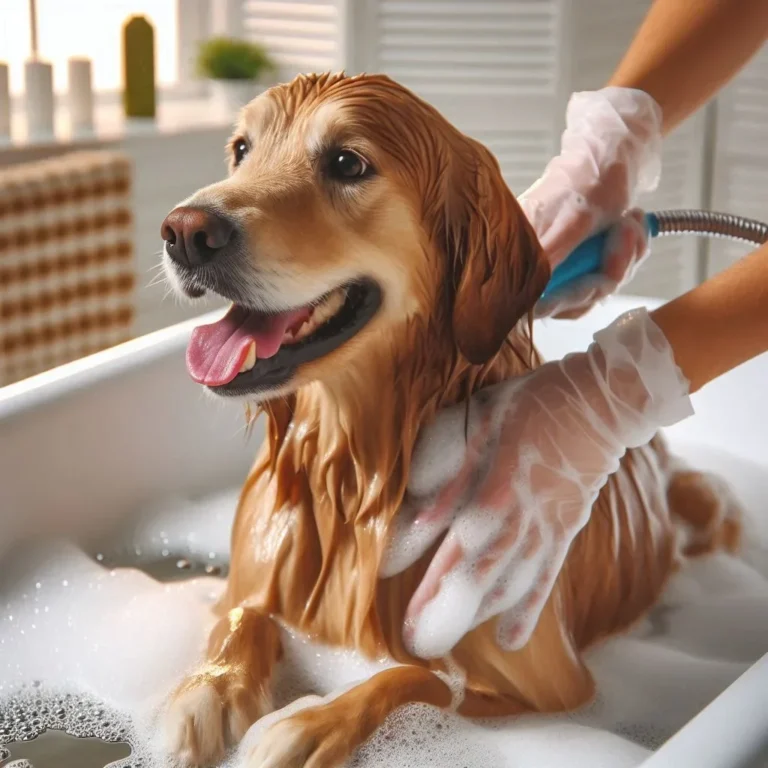
Bathing is an essential part of grooming, but it’s easy to overdo it. Over-bathing can strip your dog’s coat of its natural oils, leading to dry, irritated skin. Here’s how to bathe your short-haired dog effectively:
- How Often: Most short-haired dogs need a bath every 2-3 months, unless they get particularly dirty. Dogs that spend a lot of time outdoors may need more frequent baths.
- Use the Right Shampoo: Choose a gentle, pH-balanced shampoo designed for dogs. Avoid using human shampoo, as it can irritate their skin.
- Keep It Quick: Dogs can get cold easily, so keep the bath short. Wet the coat thoroughly, apply shampoo, lather, and rinse. Avoid letting the shampoo sit for too long.
6. Skin Health: Watch for Issues
Short-haired dogs can be more prone to skin issues because their skin is more exposed. Here’s how to keep their skin healthy:
- Inspect Regularly: Check your dog’s skin for signs of irritation, redness, or dryness. If you notice any unusual changes, consult your veterinarian.
- Provide Adequate Sun Protection: If your dog spends a lot of time in the sun, consider using a dog-specific sunscreen to protect their skin from harmful UV rays.
7. Dental Care: A Healthy Smile Matters
Dental care is often overlooked, but it’s a crucial part of grooming. Bad dental hygiene can lead to gum disease, bad breath, and even systemic health issues. Here’s how to keep your dog’s teeth clean:
- Brush Their Teeth: Use a dog-specific toothbrush and toothpaste to brush your dog’s teeth regularly. Start with a few times a week and gradually increase to daily.
- Provide Dental Chews: Dental chews can help remove plaque and tartar, promoting healthy teeth and gums.
- Avoid Certain Foods: Avoid giving your dog hard bones or chew toys that could chip their teeth.
8. Diet: Feed a Balanced Diet
A healthy coat starts from the inside out. Feeding your dog a balanced, high-quality diet is essential for their overall health and appearance. Here’s what to look for in a dog food:
- High-Quality Protein: Choose a dog food with a named protein source (like chicken or fish) as the first ingredient.
- Omega Fatty Acids: Omega-3 and Omega-6 fatty acids are crucial for skin and coat health.
- Avoid Fillers: Steer clear of dog foods with excessive fillers or by-products, which can be hard to digest and may lead to skin issues.
9. Consistency: Make Grooming a Routine
Consistency is key when it comes to grooming. Dogs thrive on routine, and regular grooming sessions can help them feel secure and relaxed. Here’s how to make grooming a part of your routine:
- Set a Schedule: Decide on specific days for grooming activities and stick to them.
- Keep Sessions Short: If your dog is new to grooming, start with short sessions and gradually increase the duration as they become more comfortable.
- Reward Good Behavior: Positive reinforcement is key. Reward your dog with treats, praise, and affection during and after grooming sessions.
10. Regular Vet Visits: Catch Issues Early
Regular vet visits are an essential part of grooming and overall health care. Your veterinarian can catch potential issues early, preventing them from becoming serious problems. Here’s what to expect during a vet visit:
- Check-Ups: Annual check-ups are crucial for maintaining your dog’s health. Your vet will check for signs of illness, infections, and other health issues.
- Grooming Checks: Your vet can check for skin issues, nail health, and other grooming-related problems.
- Vaccinations: Regular vaccinations are essential for protecting your dog from diseases.
Conclusion
Grooming is more than just keeping your dog clean; it’s a vital part of their health and well-being. Short-haired dogs may have lower maintenance coats, but they still need regular care to stay healthy and happy. By following these essential grooming tips, you can help keep your short-haired dog looking and feeling their best. Remember, grooming is not just about appearance—it’s about health, bonding, and ensuring your furry friend lives a long, happy life.
So, next time you’re thinking about skipping that brushing session or nail trim, remember: every little bit counts when it comes to your dog’s grooming. With consistency and patience, you can help your short-haired dog maintain their health and shine.