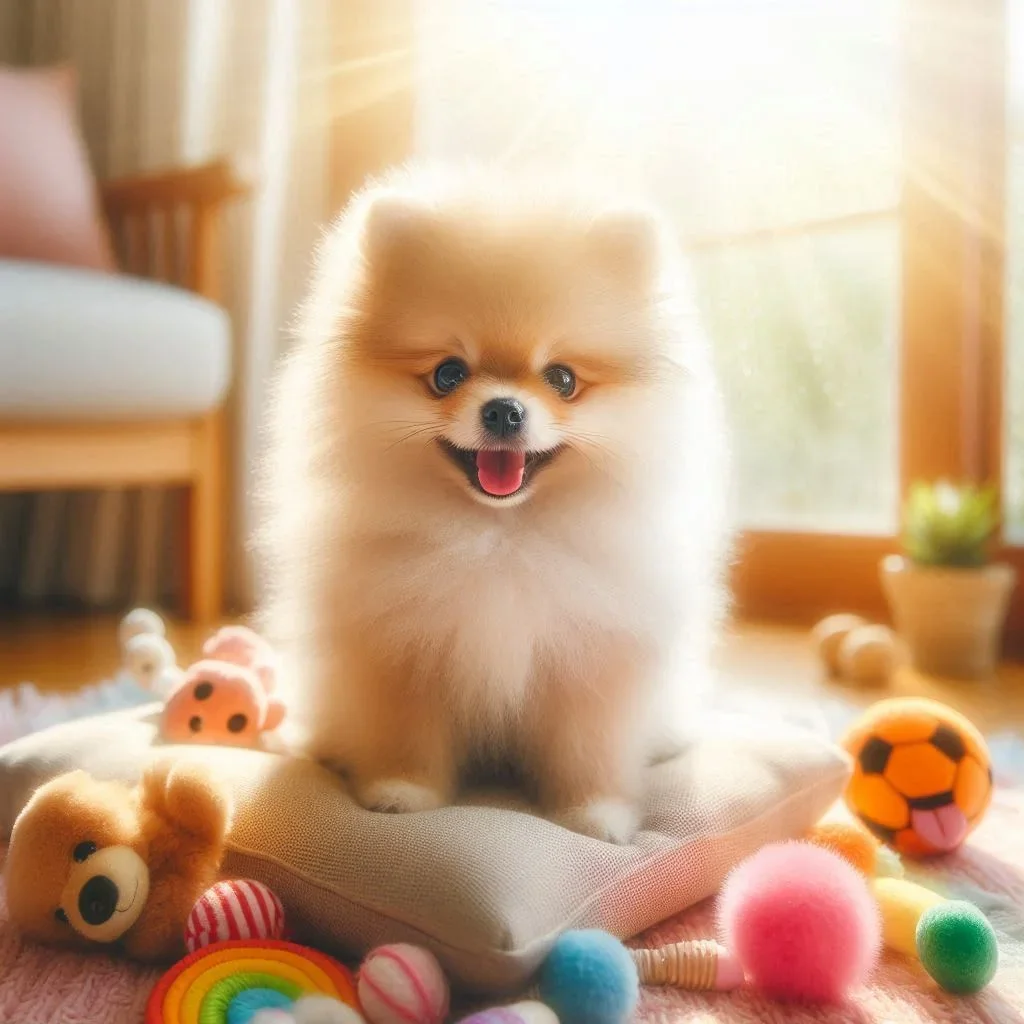
How to Teach Puppies Good House Manners
Bringing home a new puppy can be one of the most exciting experiences, but it also comes with its fair share of challenges. One of the most critical tasks as a new puppy parent is teaching your furry friend good house manners. House training and proper etiquette are essential for creating a harmonious living environment and ensuring your puppy grows into a well-behaved adult dog. In this comprehensive guide, we’ll walk you through everything you need to know about teaching your puppy good house manners.
Why Teaching House Manners Matters
Before diving into the how-to, it’s important to understand why teaching house manners is so crucial. A well-mannered puppy is not just easier to live with, but it also helps strengthen the bond between you and your pet. Good manners prevent unwanted behaviors, reduce the risk of accidents, and make social interactions smoother—whether it’s with family, friends, or strangers. Moreover, teaching your puppy house manners from an early age sets them up for success in the long run, helping them become confident and well-adjusted adult dogs.
Step 1: Establish a Routine
Puppies thrive on consistency and routines. One of the first steps in teaching your puppy good house manners is to establish a daily schedule that includes regular feeding times, playtime, potty breaks, and training sessions. A consistent routine helps your puppy feel secure and makes the learning process much easier.
Feeding Schedule
Feeding your puppy at the same times each day helps regulate their digestive system, which in turn makes potty training easier. Puppies typically need to go outside within 15-30 minutes after meals, so plan your feeding schedule accordingly. Stick to high-quality puppy food that meets their nutritional needs, and avoid overfeeding to prevent obesity.
Potty Training
Potty training is one of the most important aspects of teaching your puppy good house manners. Here’s how you can do it effectively:
- Choose a Designated Potty Area: Pick a specific spot outside your home where you want your puppy to go potty. Consistency is key, so always take your puppy to the same spot after meals, naps, and playtime.
- Use Positive Reinforcement: Whenever your puppy goes potty in the right place, reward them with praise, treats, and affection. This positive reinforcement will help them associate going potty outside with good behavior.
- Watch for Signs: Puppies often sniff and circle before they go potty. If you notice these signs, quickly take them to the designated potty area.
- Be Patient: Accidents will happen, especially in the early stages of training. If your puppy has an accident in the house, calmly clean up the area with a pet-safe cleaner to remove any lingering scents that might encourage your puppy to go potty in the same spot again. Avoid punishment, as it can create negative associations and slow down the learning process.
Playtime and Exercise
Puppies have boundless energy, and they need plenty of playtime and exercise to stay happy and healthy. Schedule regular play sessions throughout the day to keep your puppy physically and mentally stimulated. A well-exercised puppy is less likely to engage in destructive behaviors like chewing furniture or digging holes in the backyard.
Step 2: Teach Basic Commands
Basic obedience commands are the foundation of good house manners. Start with simple commands like “sit,” “stay,” “come,” and “leave it.” These commands will help you communicate with your puppy and keep them well-behaved in various situations.
Teaching “Sit”
- Hold a Treat: Start by holding a treat in front of your puppy’s nose.
- Move the Treat Up: Slowly move the treat upwards and backwards, towards your puppy’s tail. As they follow the treat with their head, their bottom will naturally lower into a sitting position.
- Say “Sit” and Reward: Once your puppy is in the sitting position, say “sit” and give them the treat. Repeat this process until they learn the command.
Teaching “Stay”
- Start with Your Puppy in a Sitting Position: Begin by having your puppy sit, then take a few steps back while saying “stay.”
- Gradually Increase Distance: Slowly increase the distance you move away from your puppy while giving the “stay” command. Start with small steps and gradually build up to longer distances.
- Reward Good Behavior: Whenever your puppy successfully stays in place, reward them with treats and praise.
Teaching “Come”
- Start in a Quiet Area: Choose a quiet, distraction-free area where your puppy can focus on you.
- Call Your Puppy’s Name: Call your puppy’s name and say “come.” When they come to you, reward them with treats and praise.
- Gradually Add Distractions: As your puppy gets better at coming when called, gradually add distractions like other people, dogs, and toys to help them learn to focus on you in any situation.
Teaching “Leave It”
- Place a Treat in Front of Your Puppy: Put a treat on the ground or on a table in front of your puppy.
- Say “Leave It”: While your puppy is looking at the treat, say “leave it” and cover the treat with your hand.
- Reward Self-Control: If your puppy tries to take the treat, say “no” and cover it again. When they leave the treat alone, praise them and give them a different treat as a reward.
Step 3: Address Common Behavioral Issues
Every puppy is different, and they may develop unique behavioral challenges as they grow. Here are some common issues and how to address them:
Chewing
Chewing is a natural behavior for puppies, especially during teething. However, it can become a problem if they start chewing on furniture, shoes, or other household items. To address this:
- Provide Chew Toys: Offer your puppy a variety of chew toys made of durable materials like rubber or nylon. Stuffing them with treats can keep your puppy occupied for hours.
- Supervise: Always supervise your puppy when they’re playing with chew toys to ensure they don’t mistake other items for toys.
- Distract and Redirect: If you catch your puppy chewing on something they shouldn’t, calmly say “no” and redirect their attention to an appropriate chew toy.
Jumping Up
Jumping up is a common behavior in puppies, especially when they’re excited or eager for attention. To teach your puppy to stop jumping up:
- Ignore the Behavior: When your puppy jumps up, ignore them until they calm down and sit. By ignoring the behavior, you take away the reward of attention.
- Reward Calm Behavior: Once your puppy sits calmly, give them attention and praise them for their good behavior.
- Consistency: Ensure everyone in the household follows the same rules so your puppy doesn’t get confused.
Begging
Begging at the table is another common issue that can be addressed with consistent training.
- Set Boundaries: During meals, keep your puppy away from the dining table. This can be done by having them sit in another room or in their crate with a chew toy.
- Be Consistent: Everyone in the household should avoid giving your puppy table scraps to prevent them from associating mealtime with begging.
- Offer a Treat: If your puppy starts begging, calmly say “no” and offer them a treat in exchange for sitting or lying down quietly.
Step 4: Use Crate Training
Crate training is an effective way to help with potty training, reduce separation anxiety, and prevent destructive behavior when you’re not home. Here’s how to introduce crate training to your puppy:
- Introduce the Crate Gradually: Start by leaving the crate door open and placing treats or toys inside to make it inviting. Encourage your puppy to explore the crate at their own pace.
- Start with Short Sessions: Once your puppy is comfortable with the crate, start closing the door during short periods when you’re at home. Begin with 5-10 minute sessions and gradually increase the time.
- Use the Crate When You’re Away: Once your puppy is comfortable with the crate, use it when you leave the house to prevent destructive behavior and accidents.
- Don’t Overuse the Crate: Crates should not be used as a form of punishment or left for extended periods. Puppies need plenty of time to exercise and interact with their environment.
Step 5: Be Patient and Consistent
Consistency and patience are key when teaching your puppy good house manners. Puppies have short attention spans and may not understand what you’re asking of them at first. Stay calm, and remember that accidents are part of the learning process.
- Set Realistic Expectations: Puppies are still learning, so don’t expect them to master house manners overnight. Celebrate small victories and build on them gradually.
- Stay Calm: Yelling or punishing your puppy for accidents can create negative associations and slow down the learning process. Instead, focus on positive reinforcement and gentle corrections.
- Be Consistent: Everyone in the household should be on the same page when it comes to training. Consistency reinforces what’s acceptable behavior and what’s not.
Advanced Training
Once your puppy has mastered the basics, you can move on to more advanced training to further refine their house manners. This includes commands like “heel,” “down,” “shake,” and “roll over.” Advanced training not only strengthens your bond with your puppy but also challenges their mind and keeps them engaged.
Conclusion
Teaching your puppy good house manners is a journey that requires patience, consistency, and positive reinforcement. By establishing a routine, teaching basic commands, addressing common behavioral issues, and using crate training, you can help your puppy become a well-behaved member of your family. Remember, every puppy is unique, and some may learn faster than others. Celebrate their progress, stay patient, and enjoy the process of watching your furry friend grow into a well-mannered adult dog.
With time and effort, your puppy will learn the house manners they need to thrive, creating a happy and harmonious home for everyone.