Setting Healthy Sleep Patterns for Your Pets
Just like humans, pets need adequate sleep to stay healthy, happy, and energized. However, pets have different sleep requirements and patterns compared to their human counterparts. Understanding these differences and establishing a routine can help ensure your furry friend gets the rest they need. In this blog post, we’ll dive into the importance of healthy sleep patterns for pets, how to recognize normal sleep behavior, and practical tips for creating a sleep-friendly environment for your pets.
Understanding Normal Sleep Patterns in Pets
Before we discuss how to set healthy sleep patterns, it’s essential to understand what constitutes normal sleep behavior for pets. Different animals have different sleep requirements:
- Dogs: On average, dogs sleep for about 12-14 hours a day, spread across multiple short naps and longer stretches at night. The exact amount of sleep varies depending on the breed, age, and health of the dog.
- Cats: Cats are notorious for their love of sleep. They typically spend around 16-18 hours per day snoozing, with the majority of this occurring at night. Like dogs, their sleep patterns can vary based on age, health, and lifestyle.
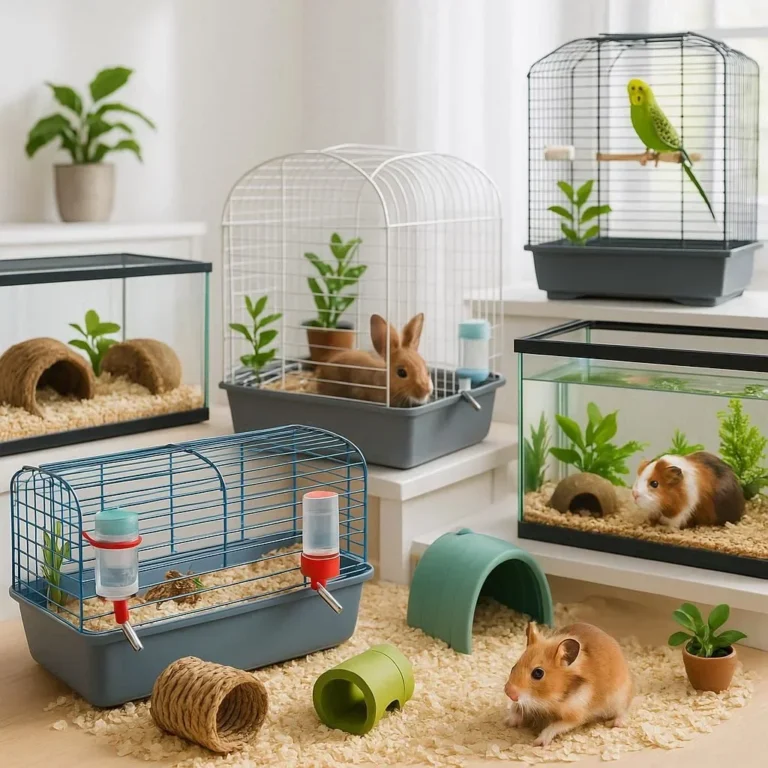
- Other Pets: Small animals like hamsters, rabbits, and guinea pigs have unique sleep patterns. Some are nocturnal, meaning they are most active at night and sleep during the day, while others are crepuscular, active during twilight hours.
It’s crucial to recognize that just because your pet is sleeping a lot doesn’t necessarily mean they are lethargic or unhealthy. For many animals, excessive sleep is simply a natural part of their behavior.
Why Sleep is Essential for Your Pet’s Health
Sleep plays a vital role in your pet’s overall health and well-being. Just like in humans, sleep allows your pet’s body to repair and rejuvenate itself. During sleep, the body:
- Repairs muscles and tissues
- Boosts the immune system
- Processes and consolidates memories
- Regulates hormones
- Supports growth and development
Inadequate sleep can lead to a range of health issues, including:
- Chronic fatigue
- Weakened immune system
-Weight gain or loss - Increased stress and anxiety
- Behavioral problems
For pets, especially dogs and cats, sleep disturbances can also be a sign of underlying health conditions. If you notice dramatic changes in your pet’s sleep patterns, it’s important to consult with a veterinarian to rule out any potential health issues.
Tips for Establishing a Healthy Sleep Routine for Your Pet
Creating a consistent sleep routine for your pet can help ensure they get the rest they need. Here are some practical tips for establishing healthy sleep patterns:
- Stick to a Daily Routine
One of the most effective ways to promote healthy sleep in pets is to maintain a consistent daily routine. This includes regular feeding times, play sessions, and sleep schedules. A predictable routine helps your pet feel secure and can signal to their body when it’s time to sleep and when it’s time to be awake.
For dogs, this might mean taking them for a walk at the same time each morning and evening, followed by a calming activity before bed. For cats, it could involve playtime in the early evening, followed by a quiet period leading up to bedtime.
- Create a Sleep-Conducive Environment
The environment where your pet sleeps plays a significant role in the quality of their sleep. Here are some tips for creating a sleep-friendly space:
- Provide a Comfortable Place to Sleep: Invest in a high-quality pet bed that provides adequate support and comfort. For dogs, an orthopedic bed can be especially beneficial, especially for older dogs or those with joint issues. Cats often prefer soft, cushioned beds or even cardboard boxes, depending on their preference.
- Keep the Room Quiet: Pets, especially dogs, can be easily disturbed by noise. If your pet’s sleeping area is near a busy street or a noisy household, consider using white noise machines orother noise-canceling solutions to minimize disturbances.
- Maintain a Comfortable Temperature: Pets can be sensitive to temperature fluctuations. Make sure their sleeping area is not too hot or too cold. A general rule of thumb is to keep the room at a comfortable temperature for humans, as this is usually suitable for pets as well.
- Ensure Darkness: Many pets sleep better in a dark environment. Consider using blackout curtains or dim red lights to create a calming atmosphere. Avoid leaving bright lights on, as this can disrupt your pet’s sleep.
- Limit Stimulating Activities Before Bed
Just like humans, pets can find it challenging to wind down after stimulating activities. To promote better sleep, avoid engaging your pet in high-energy play or intensive training sessions too close to bedtime.
For example, if your dog enjoys evening walks, try to finish the walk at least an hour before bedtime to give them time to relax. Similarly, avoid engaging your cat in playful activities that might get them overly excited just before sleep.
- Watch What You Feed Your Pet
A pet’s diet can significantly impact their sleep quality. Here are some dietary considerations to keep in mind:
- Avoid Heavy Meals Before Bed: Feeding your pet a large meal too close to bedtime can disrupt their sleep. Allow at least 2-3 hours after feeding before putting them to bed. This can help prevent digestive discomfort and reduce the likelihood of nighttime awakenings.
- Choose the Right Foods: The foods your pet eats can influence their energy levels and overall health. Opt for a high-quality, balanced diet that meets your pet’s nutritional needs. Avoid foods high in sugar, caffeine, or other stimulants, as these can interfere with sleep.
- Encourage Physical and Mental Stimulation
Pets, especially dogs, need plenty of physical and mental stimulation during the day to ensure they are tired enough at night to sleep well. Regular exercise, playtime, and mentally stimulating activities can help promote better sleep.
For dogs, this might include daily walks, runs, or play sessions in the park. Puzzle toys filled with treats can provide mental stimulation and keep your dog engaged during the day.
For cats, interactive toys and climbing structures can help them expend energy. Cats also benefit from environmental enrichment, such as rotating toys or creating climbing routes around the house.
- Monitor Your Pet’s Sleep Patterns
Observing your pet’s sleep patterns can provide valuable insights into their overall health and well-being. Keep an eye out for signs that your pet is getting enough sleep, such as:
- Alertness during wakeful periods
- Good energy levels
- A shiny, healthy coat
- Positive demeanor
On the other hand, signs of sleep deprivation or sleep disorders in pets can include:
- Excessive sleepiness during the day
- Restlessness or difficulty falling asleep
- louder than usual snoring (especially in dogs)
- Increased irritability or anxiety
-Weight gain or loss
If you notice any unusual changes in your pet’s sleep patterns or behavior, it’s important to consult with a veterinarian. They can help identify any underlying health issues and provide guidance on how to address them.
Conclusion
Setting healthy sleep patterns for your pets is an essential part of ensuring their overall health and happiness. By establishing a consistent daily routine, creating a sleep-friendly environment, and monitoring your pet’s sleep patterns, you can help your furry friend get the rest they need to thrive.
Remember, every pet is different, so it may take some trial and error to find the right balance for your companion. With patience, consistency, and a little creativity, you can help your pet enjoy restful and rejuvenating sleep every night.
If you have further questions or concerns about your pet’s sleep, always consult with a trusted veterinarian for personalized advice and care.