How to Introduce Children to Small Pet Care
Introducing children to small pet care can be a rewarding and educational experience for the whole family. Not only does it teach responsibility and empathy, but it also fosters a lifelong love and appreciation for animals. However, it’s essential to approach this process thoughtfully to ensure both the child and the pet thrive. In this guide, we’ll explore how to introduce children to small pet care in a way that’s both fun and educational.
Why Teach Children About Pet Care?
Before diving into the practical aspects, it’s important to understand why teaching children about pet care is so valuable. Caring for a pet teaches children essential life skills such as responsibility, compassion, and time management. It also helps them develop a sense of empathy and understanding of the needs of another living creature. These lessons can extend beyond pet care and positively impact other areas of their lives, such as school and relationships.
Additionally, having a pet can provide a sense of companionship and security for children. It can also be a great way to encourage physical activity, especially if the pet requires exercise, like a dog. For younger children, it can even help with social development, as they learn to interact with and care for another being.
Assessing Your Child’s Readiness
It’s crucial to assess your child’s readiness for pet care before bringing a small pet into your home. While even young children can participate in pet care, their ability to understand and perform certain tasks will vary based on their age and maturity level. Here are some factors to consider:
Age Appropriateness
Generally, children under the age of 5 may not be ready for the full responsibilities of pet care, but they can still participate in simple tasks with close supervision. Children aged 6-12 can take on more responsibility, such as feeding, grooming, and cleaning, with some guidance. Teenagers can typically handle most aspects of pet care independently, though they may still need occasional reminders.
Interest and Motivation
Your child’s interest in pets is another important factor. If your child has expressed a genuine interest in having a pet and is eager to learn about caring for it, they are more likely to take their responsibilities seriously. On the other hand, if your child seems uninterested or reluctant, it may be better to wait until they show more enthusiasm.
Ability to Follow Instructions
Caring for a pet requires following specific instructions and maintaining a routine. If your child has difficulty following instructions or remembering tasks, they may need more supervision and support in their pet care duties.
Choosing the Right Pet
The type of pet you choose will play a significant role in your child’s introduction to pet care. Different pets have different needs, and some are better suited for families with children than others. Here are some popular small pets and their care requirements:
Fish
Fish are a great first pet for children, as they are low-maintenance and easy to care for. They require a clean tank with fresh water, regular feeding, and occasional tank cleaning. However, fish are somewhat distant pets, so they may not provide the same level of interaction as other pets.
Guinea Pigs or Hamsters
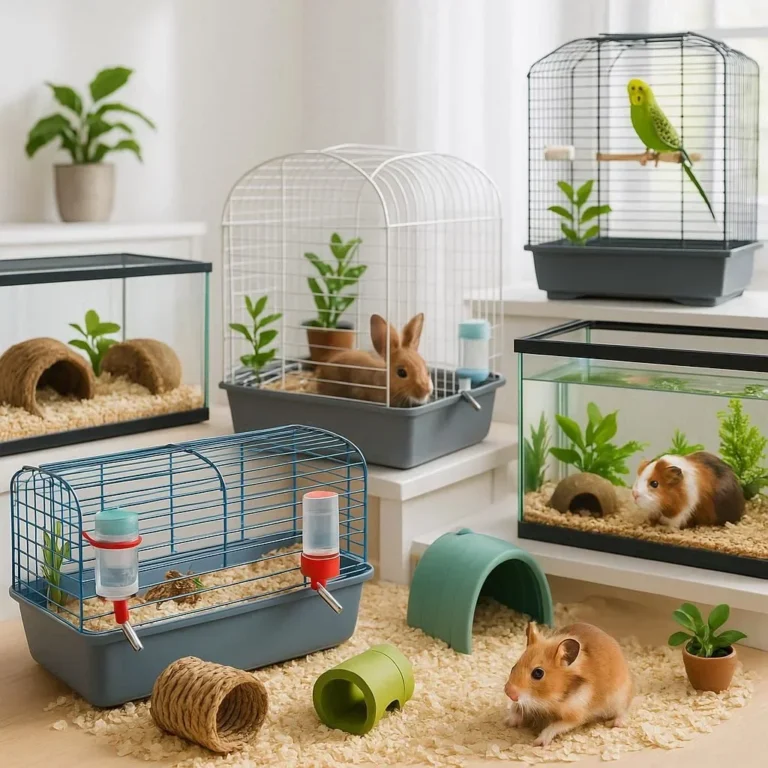
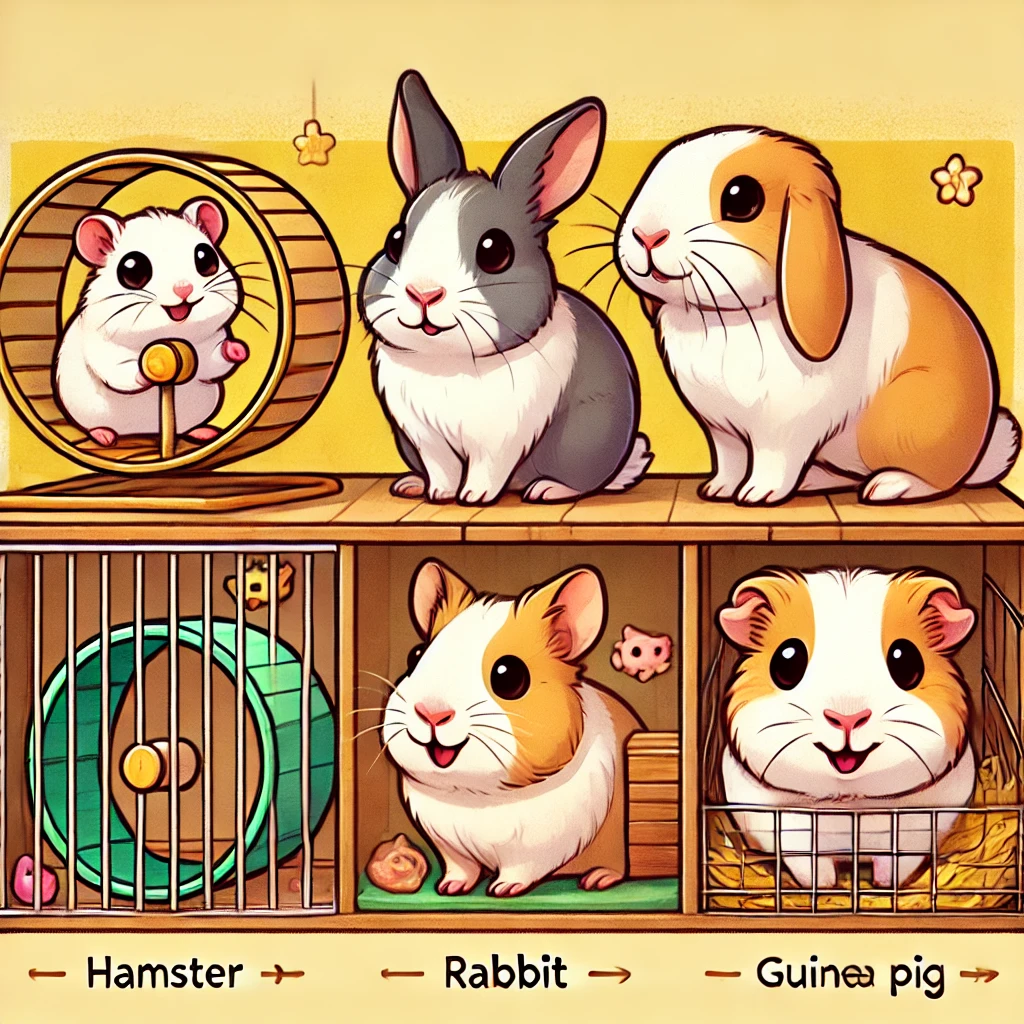
Small mammals like guinea pigs or hamsters are friendly, social animals that can be handled gently. They require a clean cage, fresh food and water, and regular handling to stay tame. They are a good choice for children who are interested in handling and interacting with their pets.
Rabbits
Rabbits can make wonderful pets for families, but they do require more space and attention. They need a large cage or hutch, a diet of fresh vegetables and hay, and regular exercise outside of their cage. Rabbits are social animals and can be quite affectionate, but they may nip if frightened or handled roughly.
Birds
Birds, such as parakeets or cockatiels, can be colorful and entertaining pets. They require a clean cage, a balanced diet, and regular social interaction. Some birds can even be trained to talk or perform tricks. However, they can be noisy and may not be suitable for all families.
Reptiles
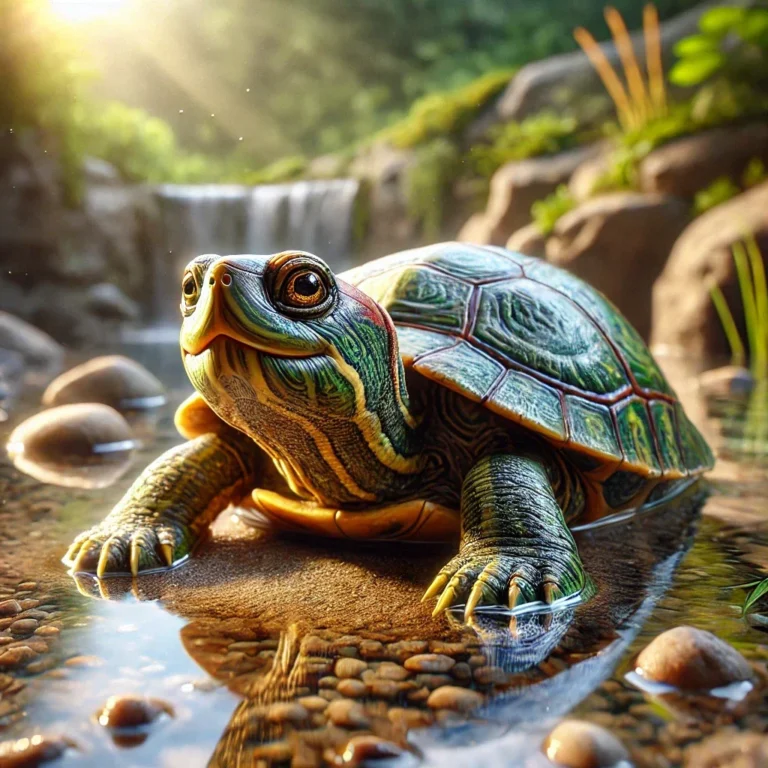
For families interested in something a bit different, reptiles like geckos or bearded dragons can make interesting pets. They require a specialized habitat with proper lighting and temperature control, as well as a specific diet. Reptiles are generally low-interaction pets and may not be as affectionate as mammals or birds.
Introducing the Pet to the Child
Once you’ve chosen the right pet for your family, it’s time to introduce the pet to the child. This should be done slowly and carefully to ensure both the child and the pet feel comfortable and safe.
Prepare the Environment
Before bringing the pet home, make sure everything is ready. Set up the pet’s habitat or area, and ensure it’s safe and secure. For small mammals or birds, this may mean pet-proofing the room to prevent escape or injury.
Start with Observation
Begin by allowing the child to observe the pet from a distance. This allows the child to become familiar with the pet’s appearance, movements, and behavior without feeling overwhelmed. Encourage the child to ask questions and express any concerns they may have.
Supervised Interaction
Once the child feels comfortable, it’s time for supervised interaction. For small mammals or birds, this may involve sitting quietly near the pet’s cage or holding the pet gently. For fish or reptiles, this may involve observing the pet up close or feeding it.
Teach Gentle Handling
If the pet is one that can be handled, teach the child how to do so gently and safely. Emphasize the importance of being calm and careful when handling the pet. Demonstrate how to pick up the pet, support its body, and hold it securely without causing injury.
Encourage Questions and Curiosity
Encourage the child to ask questions about the pet’s needs, behavior, and habitat. This not only helps the child learn more about the pet but also fosters a sense of curiosity and engagement.
Teaching Pet Care Responsibilities
Once the child is comfortable with the pet, it’s time to teach them about the responsibilities involved in caring for it. This should be done gradually, with clear instructions and plenty of guidance.
Age-Appropriate Tasks
Assign tasks based on the child’s age and ability. Younger children can start with simple tasks like placing food in the pet’s bowl or sprinkling bedding in the cage. Older children can take on more complex tasks like cleaning the cage, monitoring the pet’s health, or researching the pet’s specific care requirements.
Establish a Routine
Consistency is key when it comes to pet care. Establish a routine for feeding, cleaning, and interacting with the pet, and involve the child in maintaining this routine. This helps the child understand the importance of regular care and teaches them to prioritize responsibilities.
Emphasize the Importance of Cleanliness
Cleanliness is crucial for the health and well-being of both the pet and the family. Teach the child the importance of keeping the pet’s area clean, washing hands after handling the pet or its waste, and avoiding cross-contamination.
Teach Observation Skills
Encourage the child to observe the pet’s behavior and physical condition regularly. This helps them notice any changes that may indicate illness or stress. Teach them what to look for, such as changes in appetite, activity level, or physical symptoms like runny eyes or lethargy.
Involve the Child in Decision-Making
Give the child some decision-making power when it comes to the pet’s care. Let them help choose the pet’s name, select toys or accessories, or decide on the location of the pet’s habitat. This makes them feel more involved and invested in the pet’s well-being.
Safety Precautions
It’s important to take safety precautions when introducing children to small pet care, especially if the child is very young or if the pet has specific needs or behaviors.
Supervise Interactions
Always supervise interactions between the child and the pet, especially in the early stages. This ensures the child is handling the pet correctly and the pet is comfortable with the interaction.
Teach the Child to Be Gentle
Teach the child how to be gentle with the pet and to avoid sudden movements or loud noises, which can startle or stress the pet. Emphasize the importance of treating the pet with kindness and respect.
Keep the Pet’s Area Safe
Ensure the pet’s area is safe and secure, especially if the child is young. For example, if you have a bird, make sure the cage is secure and the child can’t accidentally let the bird fly away.
Teach the Child to Wash Hands
Teach the child the importance of washing their hands after handling the pet or its waste. This helps prevent the spread of germs and keeps both the child and the pet healthy.
Encouraging a Positive Relationship
A positive relationship between the child and the pet is essential for a successful pet care experience. Here are some ways to encourage a positive bond:
Spend Time Together
Encourage the child to spend time with the pet regularly, whether it’s through feeding, grooming, or simply sitting together. This helps build a connection and makes the child more engaged in the pet’s care.
Offer Rewards and Praise
Positive reinforcement can go a long way in encouraging the child to take their pet care responsibilities seriously. Offer praise or small rewards for a job well done, such as completing feeding or cleaning tasks on time.
Be a Role Model
As a parent, you are your child’s most important role model. Demonstrate your own responsibility and care for the pet, and your child will be more likely to follow your example.
Encourage Empathy
Teach the child to think about the pet’s feelings and needs. Encourage them to imagine how the pet might feel if its environment is dirty or if it’s hungry. This helps develop empathy and compassion.
Common Challenges and Solutions
As with any new responsibility, there may be challenges when introducing children to small pet care. Here are some common issues and solutions:
Lack of Interest
Some children may lose interest in caring for the pet after the initial excitement wears off. To prevent this, involve the child in the decision-making process and ensure they feel connected to the pet. Rotate tasks or introduce new activities to keep things interesting.
Forgetting Responsibilities
Children may forget to perform certain tasks, especially if they’re not part of a regular routine. Create a schedule or checklist to help the child remember their responsibilities and offer reminders when necessary.
Handling Accidents
Accidents, such as knocking over the pet’s food or water, are inevitable. Instead of scolding the child, use these moments as opportunities to teach and guide them. Encourage them to clean up the mess and think about how to prevent it in the future.
Fear or Discomfort
Some children may feel nervous or uncomfortable around the pet, especially if it’s their first time caring for an animal. Start with small, manageable interactions and gradually increase the level of involvement as the child becomes more confident.
The Long-Term Benefits
The benefits of introducing children to small pet care extend far beyond the immediate joys of having a pet. Here are some of the long-term benefits your child can experience:
Development of Responsibility and Independence
Caring for a pet teaches children to take responsibility for another living creature. This sense of responsibility can translate to other areas of their life, such as schoolwork, extracurricular activities, and future relationships.
Enhanced Empathy and Compassion
Learning to care for a pet fosters empathy and compassion, which are essential qualities for building strong relationships and contributing positively to society.
Improved Self-Esteem
Caring for a pet can give children a sense of accomplishment and pride. Knowing that they are making a difference in the life of another creature can boost their self-esteem and confidence.
Better Understanding of Life Cycles
Caring for a pet can also teach children about the life cycle of living things. This can help them understand and cope with concepts like birth, aging, and death in a healthy and constructive way.
Opportunities for Learning
Pet care offers numerous opportunities for learning, from understanding animal behavior and biology to practicing math skills through measuring food or tracking feeding schedules.
Conclusion
Introducing children to small pet care is a rewarding experience that offers numerous benefits for both the child and the pet. By choosing the right pet, assessing your child’s readiness, teaching responsibility, and fostering a positive relationship, you can create a successful and enjoyable pet care experience. Remember to be patient, offer guidance and support, and celebrate the small victories along the way. With time and effort, your child will develop the skills and compassion needed to care for a pet and reap the many rewards that come with it.