Grooming Small Dog Breeds Without Stress
Grooming is an essential part of dog care, especially for small dog breeds. Regular grooming not only keeps your furry friend looking their best, but it also helps maintain their health and strengthens the bond between you and your pet. However, grooming can sometimes be a stressful experience for both the dog and the owner, especially if you’re new to caring for small breeds. In this article, we’ll explore the best practices for grooming small dog breeds without causing any stress to your pet.
Understanding the Importance of Grooming
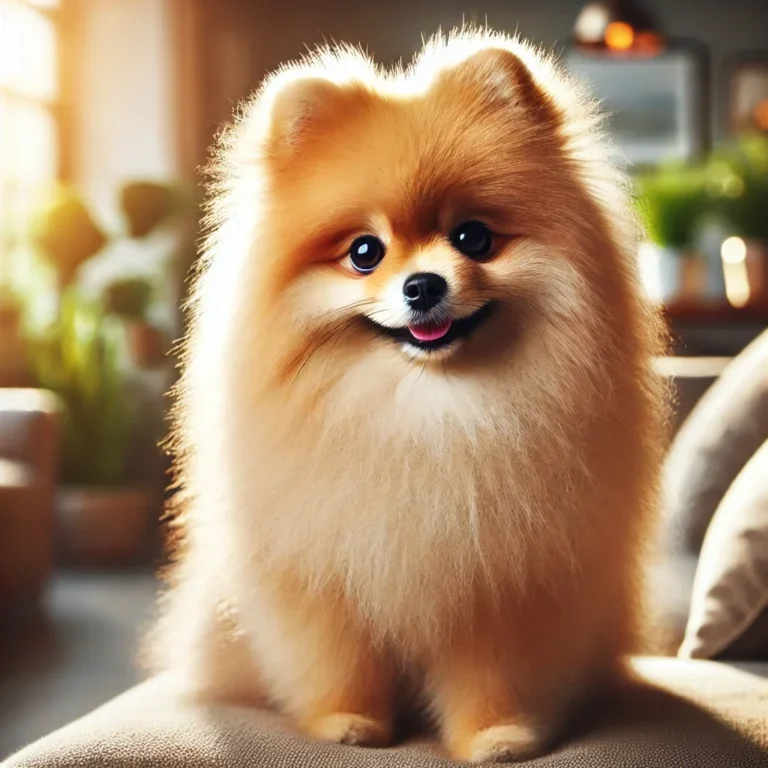
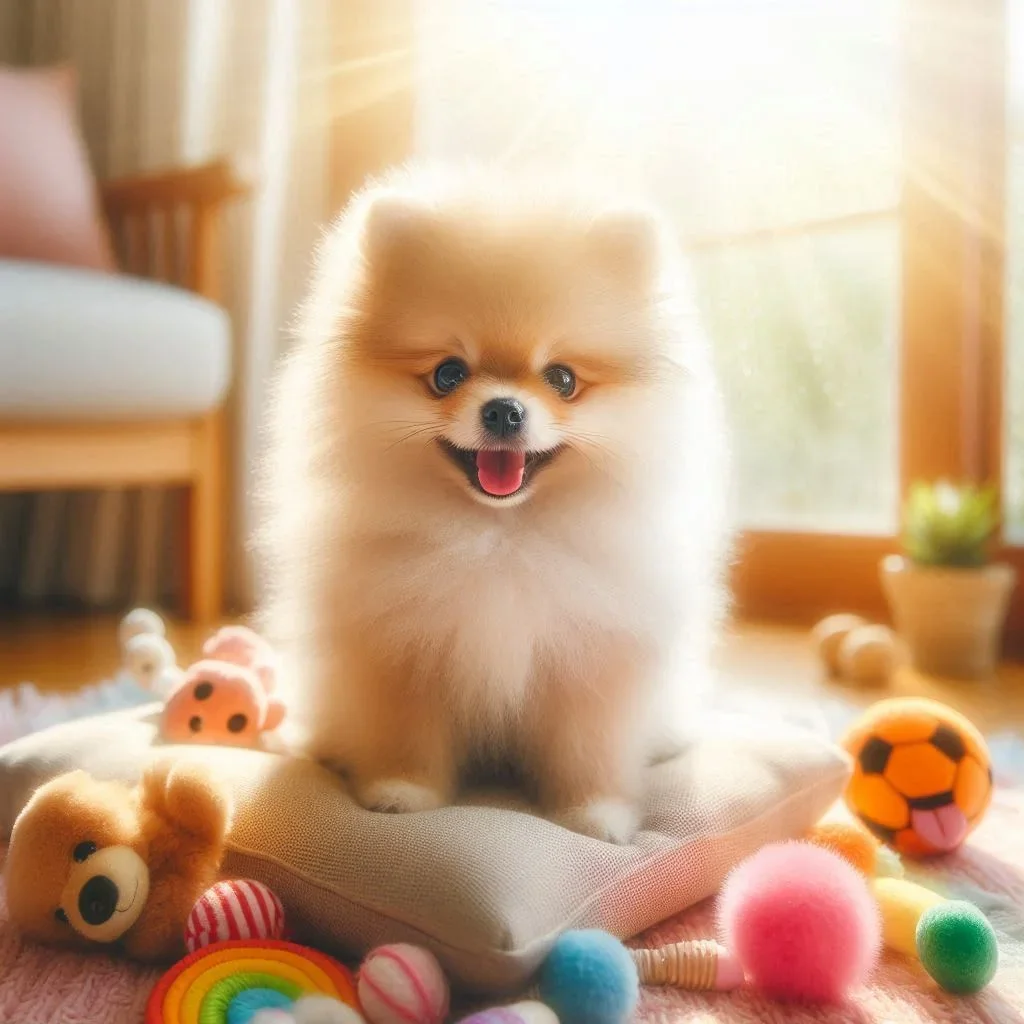
Before diving into the nitty-gritty of grooming, it’s crucial to understand why grooming is so important for small dog breeds. Small dogs, such as Pomeranians, Bichon Frise, Maltese, and Shih Tzus, often have thick, long coats that require regular maintenance. Without proper grooming, their fur can become matted and tangled, leading to discomfort, skin irritation, and even infections.
Health Benefits of Grooming
- Prevents Matting and Tangling: Matted fur can pull on your dog’s skin, causing pain and discomfort. Regular grooming helps to prevent this by keeping the fur clean and untangled.
- Reduces Shedding: Regular brushing removes loose hair and reduces shedding, which can help prevent hair from spreading all over your home.
- Promotes Healthy Skin: Grooming helps to remove dirt, oil, and dander from the skin, promoting healthy skin and reducing the risk of skin infections.
- Detects Health Issues Early: Grooming gives you an opportunity to inspect your dog’s skin for any signs of health issues, such as lumps, bumps, or fleas.
Strengthening the Bond
Grooming is more than just a practical task; it’s also a great way to bond with your dog. Dogs thrive on attention, and the gentle, repetitive motions of brushing and combing can be soothing for them. Over time, your dog will learn to associate grooming with positive interactions, making the process easier and less stressful for both of you.
Creating a Grooming Routine
The key to stress-free grooming is to establish a consistent routine. Dogs thrive on routine, and by incorporating grooming into your daily or weekly schedule, your dog will become accustomed to the process.
Step 1: Choose the Right Tools
Before you start grooming, it’s essential to have the right tools on hand. The tools you need will depend on your dog’s coat type, but here are some essentials:
- Slicker Brush: This is the most commonly used brush for small breeds with long, thick coats. It’s designed to remove tangles and mats.
- Pin Brush: A pin brush is gentler than a slicker brush and is ideal for dogs with sensitive skin or for maintaining a smooth, glossy coat.
- Comb: A wide-tooth comb is great for detangling, while a fine-tooth comb is useful for removing fleas and nits.
- Nail Clippers: Keeping your dog’s nails trimmed is important for their comfort and health.
- Shampoo and Conditioner: Use a high-quality dog shampoo and conditioner that’s suitable for your dog’s coat type.
- Towels: Have a few clean towels on hand to dry your dog after a bath.
- Brush Cleaner: Regularly cleaning your brush is important to prevent the spread of bacteria.
Step 2: Get Your Dog Used to Grooming
If your dog is new to grooming, it’s important to introduce the process gradually. Start by letting your dog become familiar with the grooming tools. Place the brushes and combs near your dog’s bed or in areas where they spend a lot of time. You can even offer treats as a reward for their curiosity.
Once your dog is comfortable with the tools, start with short grooming sessions. Begin with just a few minutes a day and gradually increase the duration as your dog becomes more comfortable.
Step 3: Brush Before Bathing
Brushing your dog before bathing is crucial, especially for breeds with long coats. Bathing a matted coat can make the tangles worse, leading to discomfort for your dog. Use your slicker or pin brush to gently work out any mats or tangles before you begin the bathing process.
Step 4: Bathing Your Dog
Bathing is an essential part of grooming, but it’s important to do it correctly. Over-bathing can strip your dog’s coat of its natural oils, leading to dry skin and dandruff. For most small breeds, bathing once a week is sufficient, but this may vary depending on your dog’s lifestyle and coat type.
- Prepare the Bath Area: Before you start, make sure the bath area is warm and free from drafts. Use a non-slip mat in the bath to prevent your dog from slipping.
- Use Lukewarm Water: Avoid using hot water, as it can irritate your dog’s skin. Lukewarm water is ideal for dogs.
- Apply Shampoo: Use a small amount of shampoo and work it into a lather. Focus on the areas that tend to get dirty, such as the paws, underarms, and around the anus.
- Rinse Thoroughly: Rinse your dog thoroughly to remove all soap residue. Any remaining soap can cause irritation.
- Condition: After shampooing, apply a conditioner to help detangle the coat and leave it soft and shiny.
- Dry Your Dog: Gently pat your dog dry with a towel, paying extra attention to the ears and paws. You can also use a blow dryer on a low setting to speed up the drying process, but be careful not to burn your dog.
Step 5: Trimming and Clipping
For some small breeds, regular trimming and clipping are necessary to maintain their appearance and comfort. If you’re new to trimming, it’s best to start with small areas, such as the paws and face, and gradually move on to more complex areas like the body and legs.
If you’re unsure about how to trim your dog’s coat, it’s always best to consult a professional groomer. They can provide guidance and help you develop a trimming routine that suits your dog’s needs.
Step 6: Nail Trimming
Trimming your dog’s nails is an essential part of grooming. Long nails can cause discomfort and can even lead to health issues, such as joint pain and infections.
- Choose the Right Clippers: There are different types of nail clippers available, including scissor-style clippers and guillotine clippers. The best type for you will depend on your dog’s nail size and your personal preference.
- Identify the Quick: The quick is the sensitive part of the nail that contains nerves and blood vessels. It’s important to avoid cutting this area, as it can be painful for your dog and may lead to bleeding.
- Trim Gradually: Start by trimming just the tip of one nail and reward your dog with a treat. Gradually work your way through all four paws, taking regular breaks to keep your dog calm and relaxed.
- Apply a Styptic Powder: If you accidentally cut the quick, apply a styptic powder to stop the bleeding and soothe the area.
Handling Stress During Grooming
Even with the best preparation, grooming can still be a stressful experience for some dogs. It’s important to recognize the signs of stress and take steps to make the process as comfortable as possible for your dog.
Signs of Stress in Dogs
- Panting: Dogs often pant when they’re stressed or anxious.
- Tucking the Tail: A tucked tail can be a sign of fear or anxiety.
- Yawning: While yawning can be a natural behavior, it can also be a sign of stress in dogs.
- Licking Lips: Some dogs will lick their lips or exhibit other nervous behaviors when they’re feeling anxious.
Tips for Stress-Free Grooming
- Stay Calm and Patient: Dogs can sense your emotions, so it’s important to remain calm and patient during grooming sessions.
- Use Positive Reinforcement: Reward your dog with treats, praise, and affection when they behave well during grooming. This will help them associate grooming with positive experiences.
- Take Breaks: If your dog seems overwhelmed or stressed, take a break and resume grooming when they’re calmer.
- Desensitize Your Dog: If your dog is particularly stressed by a specific part of grooming, such as nail trimming or brushing, gradually introduce the tool or action over several sessions. Reward your dog for remaining calm.
- Consider Professional Help: If your dog continues to exhibit extreme stress or anxiety during grooming, it may be helpful to consult a professional groomer who has experience with anxious dogs.
Maintaining a Healthy Coat
Once you’ve established a grooming routine, it’s important to maintain your dog’s coat to keep it healthy and looking its best. Here are some tips for maintaining a healthy coat:
- Regular Brushing: Regular brushing helps to remove tangles and mats, distributes natural oils throughout the coat, and promotes healthy skin.
- Balanced Diet: A nutritious, balanced diet is essential for a healthy coat. Look for high-quality dog food that’s rich in omega-3 fatty acids, vitamins, and minerals.
- Stay Hydrated: Ensure your dog has access to fresh water at all times to keep their skin and coat hydrated.
- Avoid Over-Bathing: Over-bathing can strip your dog’s coat of its natural oils, leading to dry, brittle fur. Only bathe your dog when necessary, and use a mild shampoo that’s suitable for their coat type.
- Protect from the Elements: Protect your dog’s coat from extreme weather conditions, such as direct sunlight, cold winds, and humidity.
Common Mistakes to Avoid When Grooming Small Breeds
While grooming can be a rewarding experience, there are some common mistakes to avoid to ensure your dog stays comfortable and healthy.
- Over-Grooming: Over-grooming can lead to skin irritation and infections, especially if you’re using harsh tools or techniques.
- Using the Wrong Tools: Using the wrong tools for your dog’s coat type can cause damage and lead to discomfort. Always choose tools that are designed for your dog’s specific coat.
- Neglecting the Ears and Eyes: The ears and eyes are often overlooked during grooming, but they’re crucial areas to keep clean. Regularly clean your dog’s ears to prevent infections and trim the fur around their eyes to improve visibility.
- Not Trimming the Nails: Long nails can cause discomfort and health issues, so it’s important to trim them regularly.
- Bathing Too Frequently: Over-bathing can strip your dog’s coat of its natural oils, leading to dry, brittle fur. Only bathe your dog when necessary, and use a mild shampoo that’s suitable for their coat type.
Conclusion
Grooming small dog breeds doesn’t have to be a stressful experience for you or your pet. By establishing a consistent routine, using the right tools, and taking the time to make your dog feel comfortable, you can help keep their coat healthy and strengthen the bond between you and your furry friend. Remember to stay calm, patient, and positive, and don’t hesitate to seek professional help if you need additional guidance. With a little practice and patience, grooming can become a enjoyable and rewarding experience for both you and your dog.