How to Create a Stress‑Free Grooming Routine for Cats
Creating a stress-free grooming routine for your cat is essential for their health and well-being. Cats are meticulous about their cleanliness, and regular grooming helps maintain their coat, reduce shedding, and prevent hairballs. However, grooming can be a stressful experience for both you and your cat if not approached properly. In this blog post, we’ll explore how to create a stress-free grooming routine that your cat will enjoy.
Understanding Your Cat’s Behavior
Before you start grooming your cat, it’s important to understand their behavior and preferences. Cats can be sensitive animals, and their reactions to grooming can vary greatly. Some cats enjoy being groomed and will even seek it out, while others may find it stressful or even painful.
The first step in creating a stress-free grooming routine is to observe your cat’s behavior. Pay attention to their body language and reactions when you touch or brush them. If your cat tends to become aggressive, hides, or tries to escape when you attempt to groom them, it’s a sign that they are stressed. In such cases, it’s crucial to approach grooming slowly and gently to build trust.
Choosing the Right Tools
The right grooming tools can make a significant difference in creating a stress-free grooming routine. Using the wrong tools can cause discomfort or even injury to your cat, leading to a negative association with grooming.
Here are some essential grooming tools you’ll need for your cat:
- Brush or Comb: Choose a brush that is appropriate for your cat’s coat type. Long-haired cats require a wide-tooth comb or a slicker brush to detangle their fur, while short-haired cats can be brushed with a soft-bristle brush or a rubber grooming glove.
- Nail Clippers: Regular nail trimming is important to prevent overgrown nails, which can cause pain and discomfort for your cat. Choose clippers specifically designed for cats, as they are smaller and safer.
- Shedding Tool: A shedding rake or furminator can help reduce shedding and prevent hairballs. These tools are especially useful for cats with thick or double coats.
- Mat Breaker: If your cat has matted fur, a mat breaker can help gently tease out the knots without causing pain.
- Grooming Table or Surface: Using a dedicated grooming table or surface can help your cat feel more secure and comfortable during grooming sessions.
Establishing a Routine
Consistency is key when it comes to grooming. Establishing a regular grooming routine helps your cat become familiar with the process and reduces stress. The frequency of grooming depends on your cat’s coat type and individual needs:
- Short-haired cats: These cats require less frequent grooming, typically once or twice a week. A quick brush or rubdown can help remove loose hair and distribute skin oils.
- Long-haired cats: Long-haired cats need more frequent grooming, ideally daily or every other day, to prevent matting and tangling.
In addition to brushing, regular nail trimming, ear cleaning, and dental care should be incorporated into your grooming routine. These tasks can be done at home or by a professional groomer, depending on your comfort level and your cat’s tolerance.
Creating a Comfortable Environment
The environment in which you groom your cat plays a significant role in determining their stress levels. Cats prefer a quiet, safe, and familiar space where they can relax without feeling threatened. Here are some tips for creating a comfortable grooming environment:
- Choose a Quiet Location: Find a quiet room or area where there are minimal distractions or noise. Avoid grooming your cat in high-traffic areas or near loud appliances.
- Use a Comfortable Surface: Place your cat on a soft, cushioned surface or a grooming table with a non-slip mat. This will help your cat feel secure and prevent them from slipping or falling.
- Keep Sessions Short: Start with short grooming sessions and gradually increase the duration as your cat becomes more comfortable. Forcing your cat to endure long grooming sessions can lead to stress and negative associations.
- Reward Good Behavior: Positive reinforcement is an effective way to encourage your cat to enjoy grooming. Reward your cat with treats, praise, or playtime after each grooming session to associate grooming with positive experiences.
Grooming Techniques
The way you groom your cat can greatly impact their stress levels. It’s important to use gentle, patient, and careful techniques to ensure your cat feels comfortable and secure.
Here are some grooming techniques to try:
- Brush Gently: Start brushing your cat gently, working in the direction of their fur growth. Avoid pulling or tugging on matted hair, as this can cause pain. Instead, use a detangling spray or conditioner to make the process easier.
- Be Mindful of Sensitive Areas: Cats are particularly sensitive around their face, ears, and paws. Be extra gentle when grooming these areas, and avoid using harsh or rough tools.
- Trim Nails Carefully: Trimming your cat’s nails requires precision and care. Start by getting your cat accustomed to having their paws touched and handled. Use nail clippers specifically designed for cats, and trim just the tip of the nail to avoid cutting the quick (the sensitive part of the nail).
- Check for Health Issues: Grooming is also an opportunity to check your cat’s overall health. Look for signs of skin irritation, fleas, ticks, or other health issues. If you notice anything unusual, consult your veterinarian for advice.
Grooming Different Types of Cats
Different cats have different grooming needs, and it’s important to tailor your grooming routine to your cat’s individual characteristics. Here are some tips for grooming different types of cats:
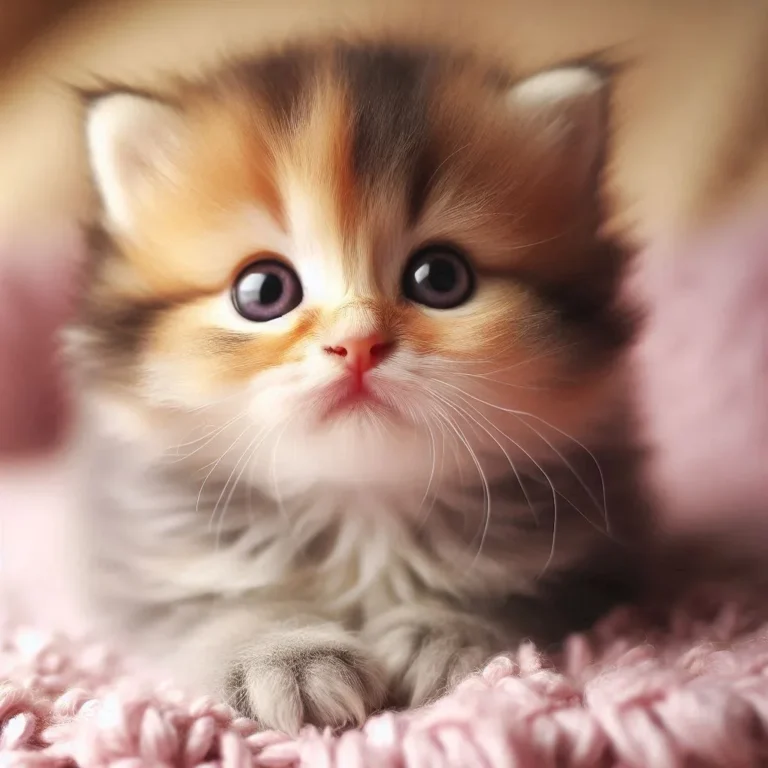
- Kittens: Kittens require gentle grooming to help them become accustomed to the process. Start with short sessions using a soft-bristle brush or a grooming glove, and gradually increase the duration as they grow older.
- Senior Cats: Senior cats may have mobility issues or sensitive skin, making grooming more challenging. Use gentle strokes and soft brushes, and avoid putting too much pressure on their joints.
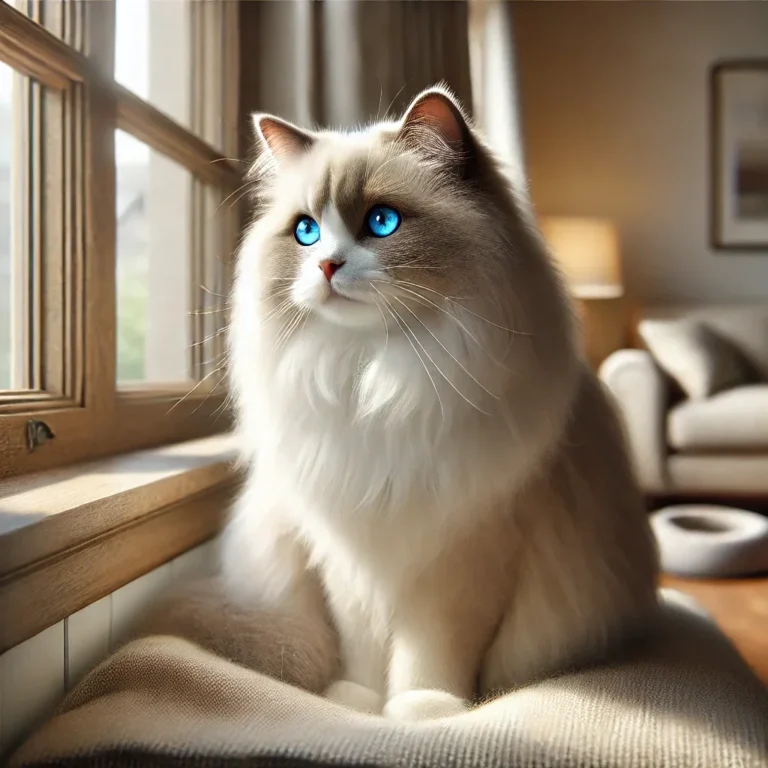
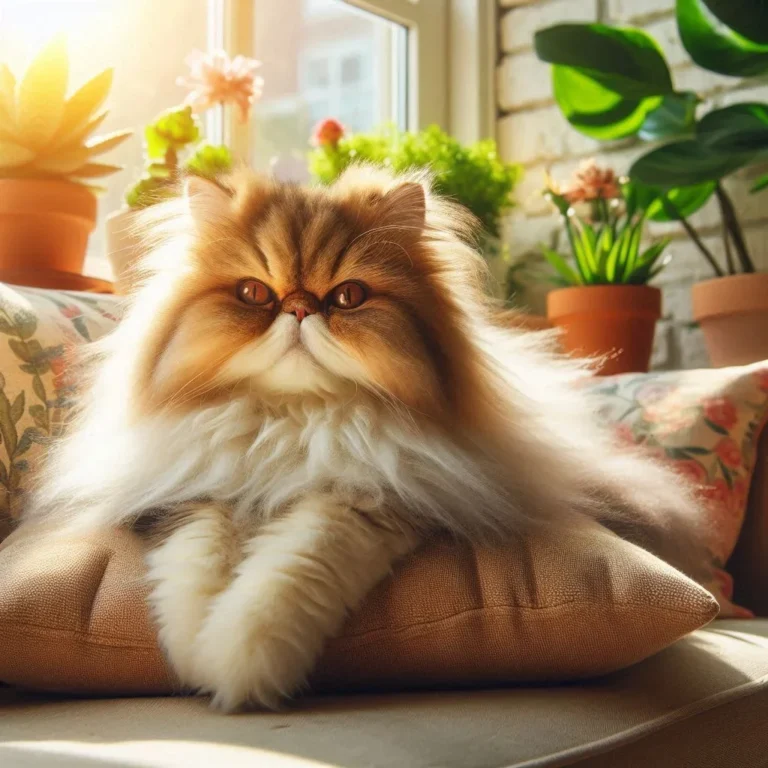
- Long-Haired Cats: Long-haired cats are prone to matting and tangling, so regular grooming is essential. Use a wide-tooth comb or a slicker brush to carefully detangle their fur, and consider using a shedding rake to reduce shedding.
- Short-Haired Cats: Short-haired cats have a lower maintenance coat, but they still benefit from regular grooming. Use a soft-bristle brush or a rubber grooming glove to remove loose hair and distribute skin oils.
Maintaining Your Cat’s Health Through Grooming
Regular grooming is not just about keeping your cat clean; it’s also an important part of maintaining their overall health. Here are some ways grooming contributes to your cat’s health:
- Prevents Hairballs: Regular brushing helps reduce the amount of loose hair your cat swallows, which can lead to hairballs. Grooming tools like shedding rakes and slicker brushes are particularly effective at removing loose hair.
- Reduces Shedding: Regular grooming helps reduce shedding and prevents hair from ending up on your furniture and clothes.
- Improves Skin Health: Grooming helps distribute skin oils, promoting healthy skin and a shiny coat. It also allows you to detect skin irritations or infections early on.
- Prevents Matting: Matted fur can cause pain and discomfort for your cat, leading to skin infections if left untreated. Regular grooming helps prevent matting and keeps your cat’s fur looking its best.
Handling Stress During Grooming
Despite your best efforts, your cat may still exhibit signs of stress during grooming. It’s important to recognize these signs and take steps to reduce your cat’s anxiety. Here are some common signs of stress in cats:
- Tail Swishing: A swishing tail can indicate irritation or agitation.
- Ears Back: If your cat’s ears are flattened or pulled back, it may be a sign of fear or stress.
- Hissing or Growling: These vocalizations are clear indicators that your cat is feeling threatened or uncomfortable.
- Trying to Escape: If your cat tries to escape or squirm away during grooming, it’s a sign that they are stressed.
If you notice any of these signs, stop grooming immediately and give your cat some time to relax. You can resume grooming once your cat appears calm and receptive.
Tips for Reducing Stress During Grooming
Reducing stress during grooming requires patience, consistency, and a gentle approach. Here are some additional tips to help your cat feel more comfortable:
- Start Slowly: Begin with short grooming sessions and gradually increase the duration as your cat becomes more comfortable.
- Use Positive Reinforcement: Reward your cat with treats or praise when they remain calm during grooming. This positive reinforcement helps create a positive association with grooming.
- Desensitize Your Cat: If your cat is particularly sensitive or nervous, you can desensitize them to grooming tools by introducing them gradually. Start by simply showing your cat the brush or clippers, then reward them for remaining calm. Gradually increase the interaction over time.
- Consider Professional Grooming: If your cat continues to exhibit stress or aggression during grooming, consider seeking the help of a professional groomer. Professional groomers have the experience and techniques to make grooming a positive experience for your cat.
Conclusion
Creating a stress-free grooming routine for your cat is a process that requires patience, understanding, and gentle care. By choosing the right tools, establishing a consistent routine, and creating a comfortable environment, you can help your cat enjoy grooming and reap the many health benefits it provides. Remember to always be attentive to your cat’s behavior and needs, and don’t hesitate to seek professional help if needed. With time and effort, grooming can become a enjoyable and bonding experience for both you and your cat.