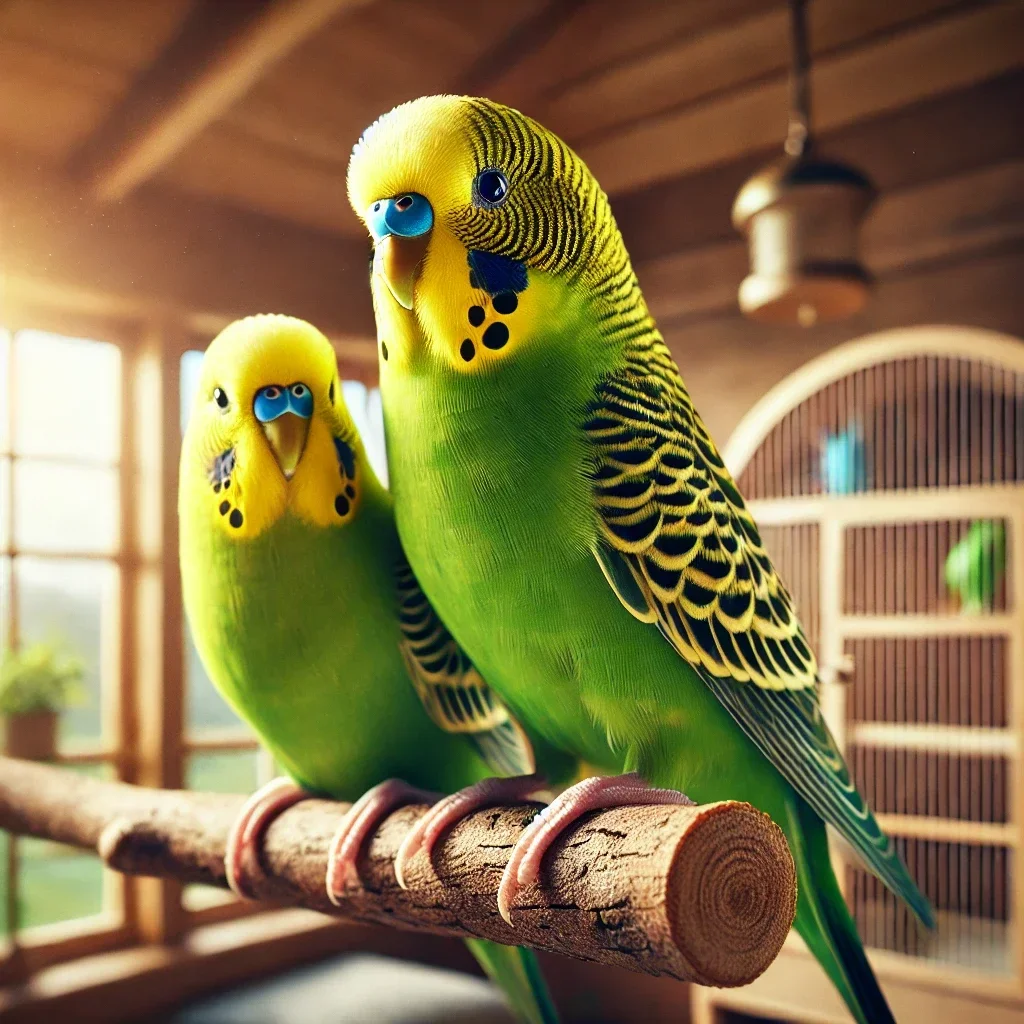
How to Train Birds to Enjoy Handfeeding
Training birds to enjoy handfeeding is a rewarding and enriching experience for both you and your feathered companion. Handfeeding can strengthen the bond between you and your bird, create trust, and even help with taming. However, it’s important to approach this process with patience, consistency, and understanding of your bird’s behavior and needs. In this guide, we’ll explore the steps to train your bird to enjoy handfeeding, including tips for building trust, selecting the right food, and addressing common challenges.
Why Train a Bird to Enjoy Handfeeding?
Handfeeding is more than just a novelty—it offers numerous benefits for your bird’s well-being and your relationship with them. Here are some reasons to consider:
- Building Trust: Handfeeding creates a strong bond between you and your bird. Birds are naturally cautious creatures, so when they learn to trust you enough to accept food from your hand, it’s a significant milestone.
- Socialization: Especially for young or rescued birds, handfeeding can be an essential part of socialization. It helps them become comfortable with human interaction.
- Nutritional Benefits: In some cases, handfeeding can ensure your bird is getting the nutrients they need, especially if they are picky eaters or have specific dietary requirements.
- Training Foundation: Handfeeding can be a stepping stone for other training exercises, such as trick training or teaching your bird to perform commands.
- Stress Reduction: For birds that are anxious or fearful, handfeeding can be a calming and reassuring experience when done correctly.
Choosing the Right Bird for Handfeeding
Not all birds are equally inclined to handfeeding. Some species are naturally more trusting and curious, while others may be more skittish. Here are some bird species that are commonly receptive to handfeeding:
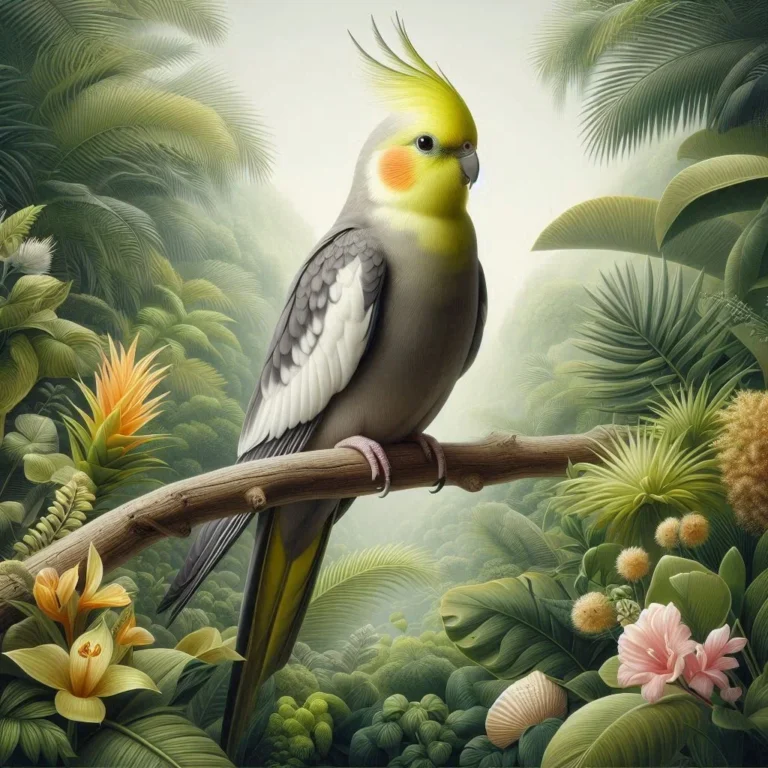
- Cockatiels: Known for their gentle and affectionate nature, cockatiels are often quick to accept handfeeding.
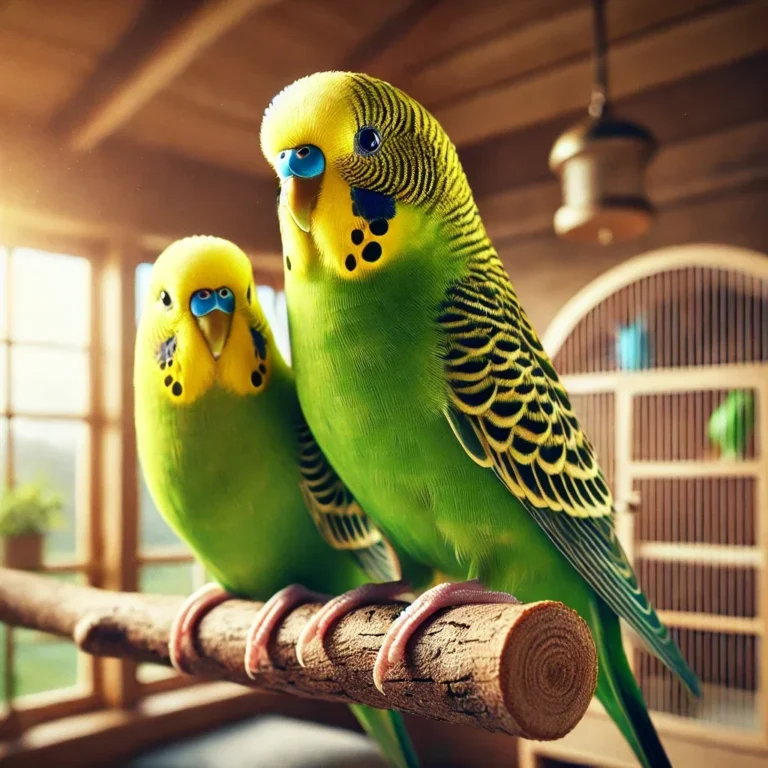
- Parakeets (Budgies): These small, energetic birds can be trained to enjoy handfeeding with patience and consistency.
- Canaries: While they are more independent, some canaries can learn to accept food from your hand over time.
- Cockatoos: These birds are highly social and often eager to interact with their owners, making them good candidates for handfeeding.
- Macaws and Conures: Larger parrots can also learn to enjoy handfeeding, especially if started at a young age.
If you’re working with a rescued or wild bird, handfeeding may require more time and effort. Always respect your bird’s boundaries and move at their pace.
Building Trust: The Foundation of Handfeeding
Trust is the cornerstone of successful handfeeding. Birds are naturally wary of humans, especially if they have had negative experiences in the past. Building trust takes time, so be patient and avoid forcing your bird to interact if they are not ready.
Here are some steps to build trust with your bird:
- Create a Safe Environment: Ensure your bird feels secure in their surroundings. Provide a spacious cage, plenty of toys, and a consistent daily routine.
- Spend Quiet Time Together: Sit near your bird’s cage and engage in quiet activities, such as reading or speaking softly. This helps your bird become comfortable with your presence.
- Offer Treats from a Distance: Start by offering your bird’s favorite treats near the cage but not directly from your hand. This allows them to associate you with positive experiences without feeling threatened.
- Be Patient: Let your bird approach you at their own pace. Avoid sudden movements or reaching into the cage, as this can frighten your bird and undo your progress.
Selecting the Right Food for Handfeeding
The type of food you use for handfeeding can play a significant role in your bird’s willingness to participate. Choose high-value, nutritious foods that your bird finds irresistible. Here are some recommendations:
- Sunflower Seeds: These are a favorite among many bird species and can be a great incentive for handfeeding.
- Safflower Seeds: Similar to sunflower seeds, safflower seeds are a tasty and nutritious option.
- Fresh Fruits: Many birds love fresh fruits like strawberries, blueberries, and bananas. Cut them into small pieces for easy handling.
- Pellets: If your bird is particularly fond of pellets, you can use them as a reward during handfeeding.
- Handfeeding Formula: For young birds or those that require extra nutrition, handfeeding formula can be an excellent choice.
When selecting food, ensure it’s fresh and free from contaminants. Avoid offering avocados, chocolate, or other toxic foods that can harm your bird.
The Art of Handfeeding: Techniques to Try
Once you’ve built trust and selected the right food, it’s time to start the handfeeding process. Here are some techniques to help your bird learn to enjoy handfeeding:
- Start with Small Steps: Begin by simply holding the food near your outstretched hand. Encourage your bird to take it by placing it near their beak or offering it on the end of a spoon.
- Use a Neutral Object: If your bird is nervous about your hand, try offering the food on a neutral object, such as a wooden spoon or a small plate. This can help them become comfortable with the idea of taking food from you without the initial fear of your hand.
- Gradually Introduce Your Hand: Once your bird is comfortable taking food from the neutral object, you can gradually introduce your hand. Start by holding the object near your hand, then slowly phase out the object over time.
- Be Calm and Still: Birds are highly sensitive to energy and movement. Move slowly and remain calm during the handfeeding process to avoid frightening your bird.
- Reward Desired Behavior: The moment your bird takes food from your hand, acknowledge the behavior with praise or additional treats. Positive reinforcement is key to encouraging your bird to continue.
Common Challenges and Solutions
As with any form of training, you may encounter challenges when teaching your bird to enjoy handfeeding. Here are some common issues and how to address them:
- Fear of Your Hand: If your bird is hesitant to approach your hand, try offering the food on a neutral object or starting with your hand inside the cage where your bird feels safer.
- Refusal to Take Food: If your bird refuses the food, they may not be hungry or may not find the food appealing. Try offering their favorite treats or varying the options to see what works best.
- Aggressive Behavior: Some birds may become overly excited or aggressive during handfeeding, especially if they are very food-motivated. To address this, calmly withdraw your hand and wait for your bird to calm down before resuming the session.
- Competing for Attention: If you have multiple birds, they may compete for your attention during handfeeding. Consider training them one at a time to avoid confusion and ensure each bird has a positive experience.
Tips for Success
- Consistency is Key: Handfeeding should be a regular part of your routine to reinforce your bird’s trust and confidence.
- Keep Sessions Short: Start with short sessions and gradually increase the duration as your bird becomes more comfortable.
- Avoid Overfeeding: While treats are essential for training, be mindful not to overfeed your bird. Stick to small portions and choose nutrient-rich foods.
- Celebrate Milestones: Acknowledge and celebrate small victories, even if it’s just your bird allowing you to hold the food near them.
- Stay Positive: Handfeeding can be a slow process, so it’s important to remain patient and positive. Every bird is different, and some may take longer than others to learn.
Conclusion
Training a bird to enjoy handfeeding is a journey that requires patience, understanding, and a genuine connection with your feathered friend. By building trust, selecting the right foods, and using effective techniques, you can help your bird feel comfortable and even enthusiastic about handfeeding. Remember to stay calm, move at your bird’s pace, and celebrate every small victory along the way. With time and effort, you can create a lasting bond and enjoy the joy of handfeeding together.