Tips for Creating a Hygienic Yet Cozy Pet Room
Creating a pet room that is both hygienic and cozy may seem like a challenge, but with the right approach, you can design a space that meets your pet’s needs and keeps them comfortable. Whether you’re a new pet owner or looking to revamp your current setup, this guide will provide you with practical tips to create the perfect environment for your furry friends.
1. Choose the Right Location
The first step in creating a hygienic and cozy pet room is to choose the right location. Ideally, the room should be quiet, away from high-traffic areas, and have good ventilation. Avoid basements or rooms with poor airflow, as they can lead to moisture buildup and odors. If possible, opt for a room with natural light, as it not only brightens the space but also helps regulate your pet’s circadian rhythm.
2. Select Easy-to-Clean Flooring
The flooring in your pet room should be easy to clean and durable. Hardwood, tile, or laminate floors are great options because they can be quickly wiped down and are resistant to scratches. Avoid carpets, as they can trap dirt, dander, and odors, making it difficult to maintain hygiene. If you prefer a softer surface, consider using washable area rugs or pet mats that can be easily cleaned.
3. Invest in Washable Bedding
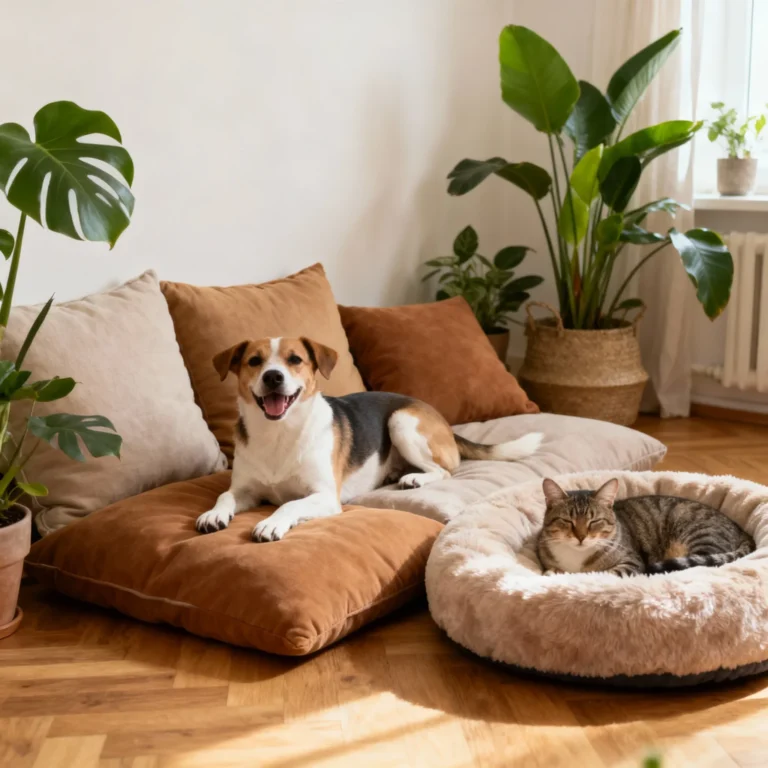
Your pet’s bedding is a crucial aspect of their comfort and hygiene. Choosewashable, breathable fabrics such as cotton or bamboo. Avoid thick, heavy blankets that can trap heat and moisture, as they can lead to skin irritation and odors. Place the bedding in a corner or against a wall to create a cozy nook, and ensure it’s large enough to accommodate your pet comfortably.
4. Opt for Pet-Friendly Furniture
If you’re planning to include furniture in the pet room, such as a dog sofa or cat tower, ensure it’s easy to clean. Look for furniture with removable covers or made from materials like leather or vinyl, which can be wiped down with a damp cloth. Avoid upholstered furniture, as it can harbor dirt and allergens.
5. Ensure Proper Ventilation
Proper ventilation is essential for maintaining a hygienic environment. Install a window or a ventilation system to ensure fresh air circulates throughout the room. You can also use an air purifier to remove pet dander, allergens, and odors from the air. This not only keeps the room smelling fresh but also improves indoor air quality for both you and your pet.
6. Use Odor-Controlling Products
Even with regular cleaning, pet rooms can sometimes have lingering odors. Use odor-controlling products like baking soda, essential oils, or pet-safe air fresheners to keep the room smelling clean. Place a small bowl of baking soda in the corner or sprinkle it on the bedding before washing. For a natural and pleasant scent, add a few drops of lavender or lemon essential oil to the air purifier or diffuser.
7. Install Shelving for Storage
Keeping the pet room clutter-free is important for both hygiene and your pet’s safety. Install shelving or storage units to keep toys, treats, and grooming supplies organized. Choose open shelving or cabinets with easy-to-clean surfaces. Label each shelf or container so you can quickly find what you need without digging through everything.
8. Set Up a Grooming Station
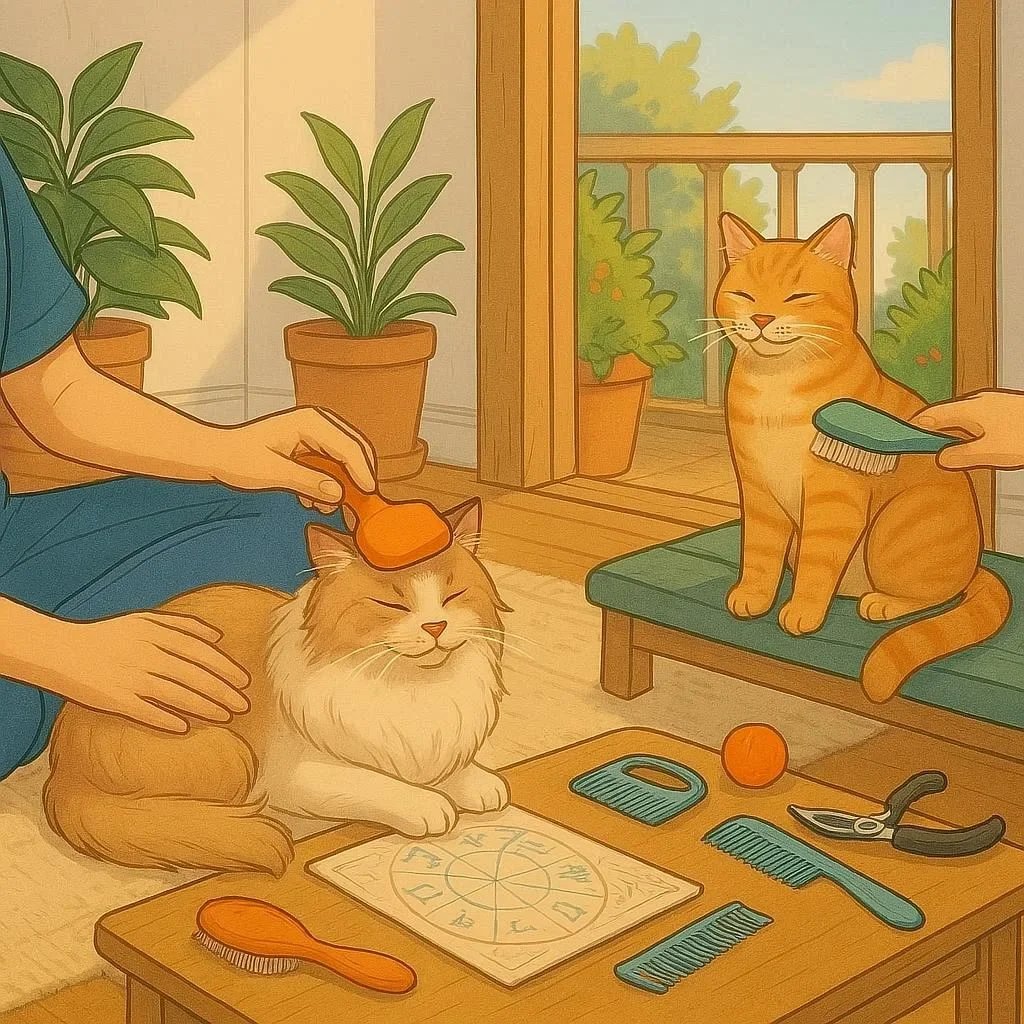
A dedicated grooming station can help keep your pet clean and your space tidy. Place a grooming table or mat in a corner of the room, along with brushes, nail clippers, and shampoo. Regular grooming not only improves your pet’s hygiene but also strengthens your bond. For cats, include a litter box and scratching post in the station to keep everything in one place.
9. Incorporate Cozy Lighting
Lighting can greatly impact the ambiance of a room. Use soft, warm lighting to create a cozy atmosphere. Table lamps or wall sconces are great options, as they provide gentle illumination without being too harsh. Avoid bright overhead lights, as they can make the space feel sterile and unwelcoming. For a more relaxing environment, consider using string lights or a Himalayan salt lamp.
10. Add Personalized Decor
Personalized decor can make the pet room feel more inviting. Add pictures of your pet, fun wall decals, or a personalized nameplate. Choose decor that reflects your pet’s personality or your own style. However, ensure that all decorations are pet-safe and won’t pose a choking hazard. Avoid hanging anything too low that your pet could reach and pull down.
11. Maintain Regular Cleaning Schedules
Hygiene is crucial for maintaining a healthy environment. Establish a regular cleaning schedule to keep the pet room clean. Vacuum or sweep the floor daily, and wipe down surfaces with a pet-safe cleaner. Wash the bedding weekly, and disinfect any toys or grooming tools. For cats, clean the litter box daily and replace the litter completely every week.
12. Consider Your Pet’s Preferences
Every pet is different, so it’s important to consider your pet’s preferences when designing the room. Some pets prefer quiet, secluded spaces, while others enjoy being in the center of activity. Observe your pet’s behavior to understand what makes them feel comfortable and secure. For example, if your cat likes to climb, include a cat tree or shelves for them to explore. If your dog prefers to curl up in a quiet corner, create a cozy nook with a soft blanket.
13. Provide Ample Toys and Enrichment
Toys and enrichment activities are essential for your pet’s mental and physical health. Provide a variety of toys and interactive games to keep your pet entertained. For dogs, include chew toys, tug-of-war ropes, and puzzle feeders. For cats, add scratching posts, feather wands, and interactive laser toys. Rotate the toys regularly to keep your pet interested and prevent boredom.
14. Ensure Proper Temperature Control
The temperature in the pet room should be comfortable for your pet. Use a space heater or fan to maintain a consistent temperature, especially in extreme weather conditions. Avoid placing the room in direct sunlight, as it can cause overheating. For pets that are sensitive to temperature, consider installing a thermostat to regulate the room’s climate.
15. Make It a Safe Space
Your pet’s safety should always come first. Ensure that the room is free from hazards, such as loose wires, toxic substances, or sharp objects. Secure any heavy furniture or appliances to prevent them from tipping over. For cats, make sure the room is escape-proof by sealing any gaps or holes that could lead to other parts of the house or outside.
Conclusion
Creating a hygienic yet cozy pet room requires careful planning and attention to detail. By choosing the right location, selecting easy-to-clean materials, and incorporating personalized touches, you can design a space that meets your pet’s needs and keeps them comfortable. Remember to maintain regular cleaning schedules and consider your pet’s preferences to ensure the room is both functional and inviting. With these tips, you can create a pet room that is not only hygienic but also a cozy retreat for your beloved furry friend.