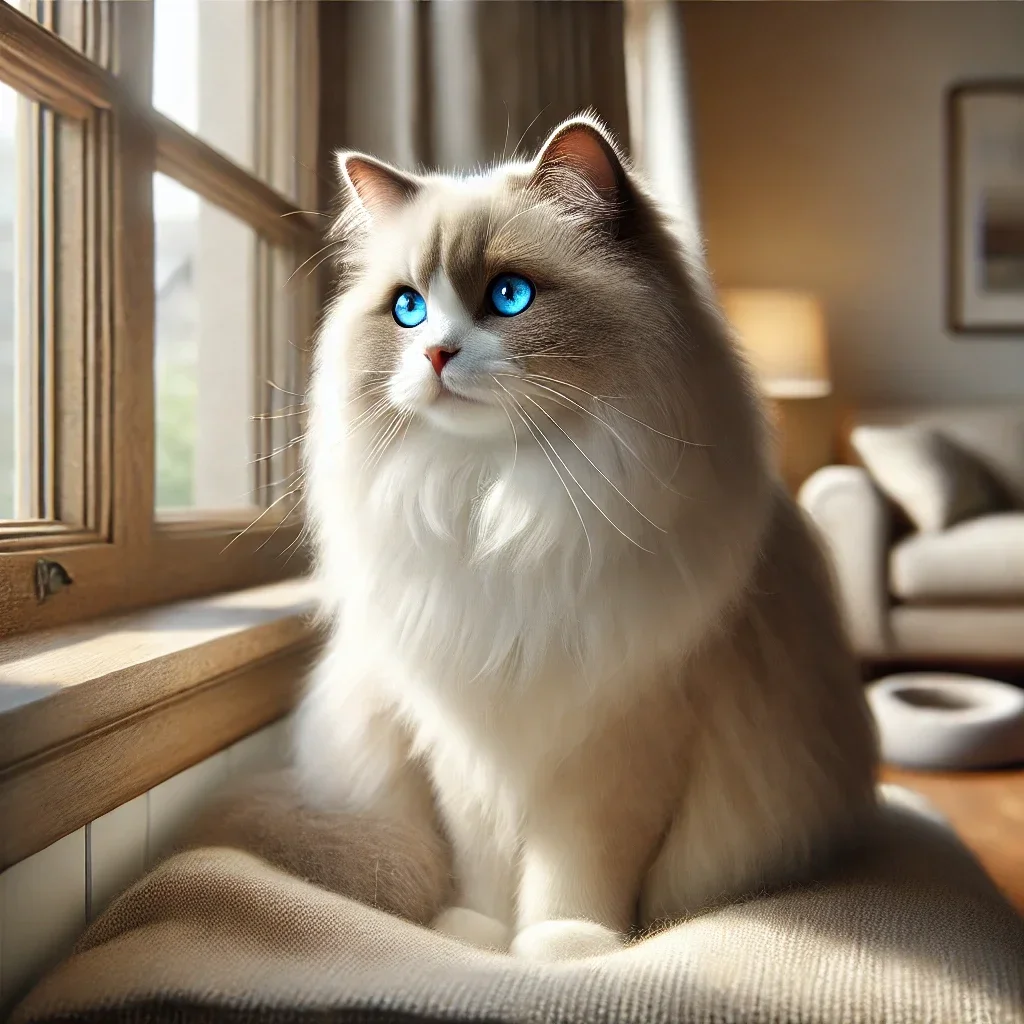
Understanding Coat Colors and What They Say About Your Cat
Feline coat colors are one of the most fascinating aspects of cat biology. From the sleek black coat of a Bombay cat to the vibrant orange tabby patterns of a domestic shorthair, coat colors play a significant role in defining a cat’s appearance and personality. But beyond their aesthetic appeal, coat colors can reveal a lot about a cat’s genetics, health, and even behavior. In this blog post, we’ll delve into the world of cat coat colors, exploring the science behind them and what they might say about your feline companion.
The Genetics of Cat Coat Colors
Before we can understand what coat colors say about your cat, it’s important to grasp the genetics behind them. Coat color in cats is primarily determined by genes, which are segments of DNA that carry information about specific traits. These genes determine not only the color of your cat’s coat but also the pattern and intensity of the color.
Cat coat colors are influenced by two types of melanin: eumelanin and pheomelanin. Eumelanin is responsible for black and dark brown colors, while pheomelanin produces red and yellow hues. The interaction between these two types of melanin, along with the genes that control their production, determines the final coat color of a cat.
One of the most significant genes affecting coat color is the B (black) gene. This gene determines whether a cat will have black pigment in its coat. Cats with the dominant B allele will have black pigment, while those with the recessive b allele will lack black pigment, resulting in a red or yellow coat.
Another important gene is the E (extension) gene, which determines whether melanin is produced in the hair shaft. Cats with the dominant E allele will have a full coat color, while those with the recessive e allele will have a pale or faded coat.
Coat Color Patterns and Their Significance
In addition to the base coat color, cats can also exhibit a variety of patterns. These patterns are determined by the interaction of multiple genes and can provide additional insights into a cat’s genetics and personality.
Solid Coat Colors
Solid coat colors are the most straightforward, with a uniform color across the entire coat. Solid colors can range from pure black to pure white, with shades of gray, blue, chocolate, and red in between. Solid coat colors are often associated with a calm and stoic personality in cats. For example, solid black cats are often seen as particularly affectionate and loyal, while solid white cats are sometimes perceived as more independent and aloof.
Tabby Patterns
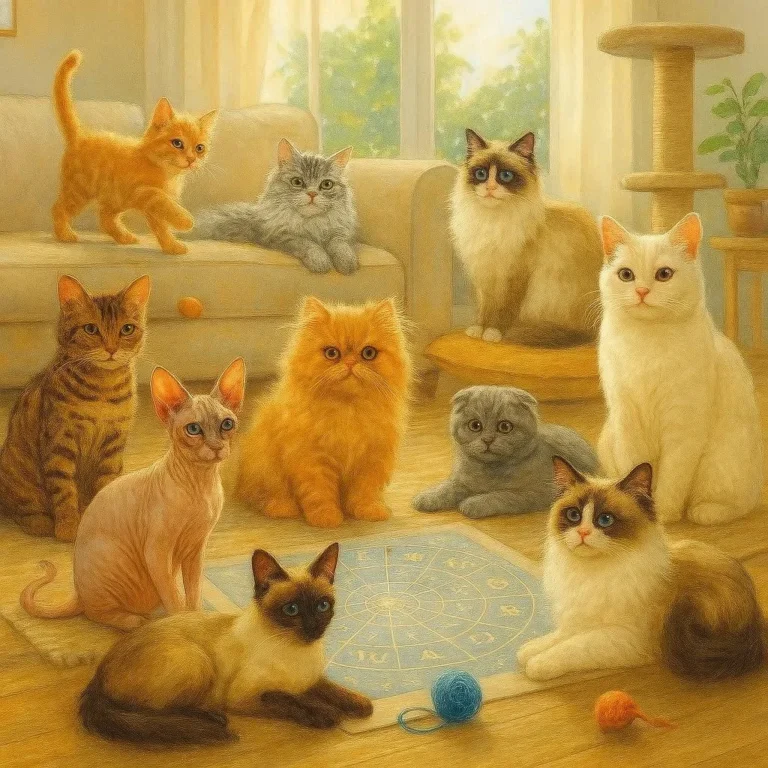
Tabby patterns are one of the most common and recognizable coat patterns in cats. The tabby pattern is characterized by distinctive M-shaped markings on the forehead, stripes on the legs, and a dotted or swirling pattern on the body. Tabby patterns can vary in color from classic brown tabby to silver tabby, and even dilute tabby, where the colors are lighter and more muted.
Tabby cats are often described as curious and playful. The tabby pattern is linked to the agouti gene, which suppresses the production of solid color and creates the striped or dotted pattern. Interestingly, all domestic cats have the tabby gene in their DNA, but it may be masked by other genes that produce solid or tortoiseshell patterns.
Tortoiseshell and Calico Patterns
Tortoiseshell and calico patterns are unique and highly recognizable coat patterns in cats. The tortoiseshell pattern is characterized by a mix of two or three colors—typically black, red, and yellow—in a swirling, mottled design. Calico cats, on the other hand, have a predominantly white coat with patches of orange and black.
Tortoiseshell and calico patterns are almost exclusively found in female cats due to the genetics involved. Male tortoiseshell or calico cats are extremely rare and typically have an extra X chromosome, making them Klinefelter males.
Cats with tortoiseshell or calico coats are often described as feisty and unpredictable. This may be due to the genetic diversity required to produce these patterns, which can result in a more varied and dynamic personality.
Pointed and Shaded Patterns
The pointed and shaded patterns are seen in certain breeds, such as the Siamese and Abyssinian. Pointed patterns are characterized by a lighter base color with darker tips, creating a striking contrast. Shaded patterns have a similar effect but with a more gradual transition between light and dark colors.
Cats with pointed or shaded patterns are often associated with intelligence and vocalness. Siamese cats, in particular, are known for their outgoing and talkative nature.
Other Coat Patterns
In addition to the patterns mentioned above, there are several other coat patterns seen in cats, including tuxedo patterns, which feature a black coat with white markings resembling a tuxedo; smoke patterns, which give the appearance of a hazy, translucent coat; and ticked patterns, where individual hairs have bands of color, creating a salt-and-pepper effect.
Each of these patterns can provide insights into a cat’s genetic makeup and may even correlate with specific personality traits. For example, tuxedo cats are often seen as particularly charming and social, while smoke cats are sometimes perceived as more reserved and mysterious.
The Role of Coat Color in Health
In addition to affecting a cat’s appearance and personality, coat color can also play a role in a cat’s health. While most coat colors are purely a matter of aesthetics, some colors may be linked to specific health conditions. For example, cats with white or light-colored coats are more prone to skin cancer and sun damage due to their lack of melanin. This is especially true for cats that spend a lot of time outdoors.
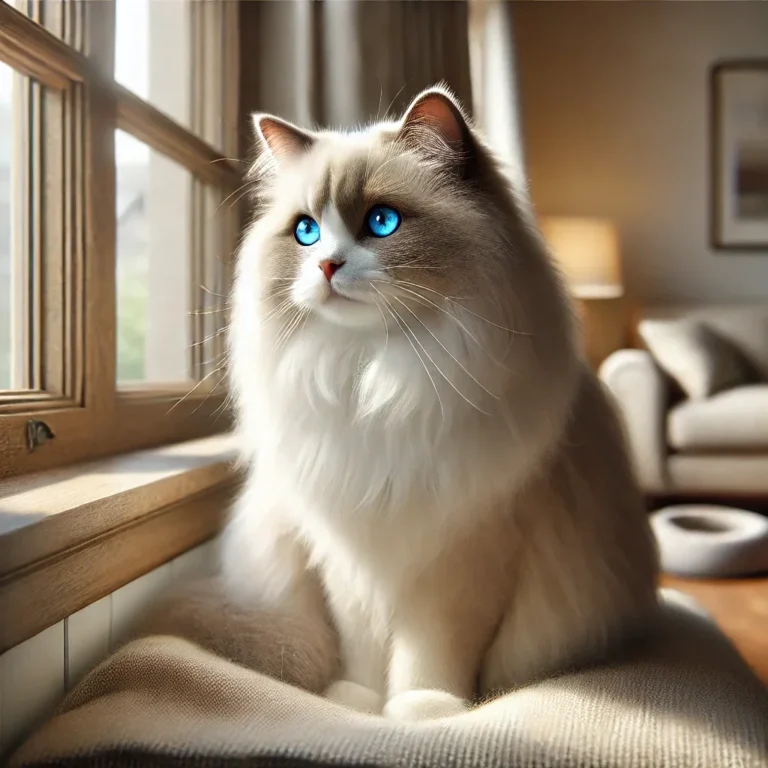
Additionally, certain coat colors may be associated with deafness. White cats, in particular, are more likely to be deaf, especially if they have blue eyes. This is due to the genetics involved in producing white coats and blue eyes, which can affect the development of the auditory system.
While coat color itself is not a direct indicator of health, it can be an important factor to consider in conjunction with other traits and behaviors. Regular veterinary check-ups and a healthy lifestyle can go a long way in ensuring that your cat stays happy and healthy, regardless of its coat color.
The Impact of Coat Color on Behavior
While the relationship between coat color and behavior is not fully understood and is often debated, many cat owners and researchers believe that there may be a correlation between the two. This could be due to the genetic factors that influence both coat color and personality, as well as the social and environmental factors that affect how cats develop their traits.
For example, calico and tortoiseshell cats are often described as having strong, assertive personalities, which may be linked to the genetic diversity required to produce these patterns. Similarly, solid black cats are often seen as particularly affectionate and loyal, perhaps due to their genetic predisposition and their historical association with good luck and prosperity.
On the other hand, tabby cats are often described as curious and playful, which may be influenced by the agouti gene that creates the tabby pattern. This gene not only affects coat color but may also play a role in a cat’s behavior and overall temperament.
Ultimately, while coat color may provide some clues about a cat’s personality, it’s important to remember that every cat is an individual. A cat’s behavior is influenced by a wide range of factors, including genetics, environment, and life experiences, so coat color alone cannot fully predict a cat’s personality.
Determining a Cat’s Coat Color
Determining a cat’s coat color can be a fun and educational experience, especially for cat owners who are new to the world of feline genetics. Coat color is influenced by multiple genes, so predicting a cat’s coat color based on its parents can be a complex task. However, by understanding the basic genetics of coat color and pattern, you can gain a better appreciation for the complexity and diversity of feline coat colors.
One of the best ways to determine a cat’s coat color is to look at its parents. If you have a kitten, you can get a good idea of its adult coat color by examining the coat colors of its mother and father. Keep in mind that some coat colors, such as red and cream, are sex-linked and may only appear in male or female cats.
Another way to determine a cat’s coat color is to examine its genetics. While this may require a DNA test, it can provide valuable insights into a cat’s genetic makeup and help predict its coat color. However, for most cat owners, simply observing a cat’s coat and comparing it to known patterns and colors is sufficient.
Conclusion
Understanding the coat colors of cats is a fascinating journey into the world of feline genetics and biology. From the solid blacks and whites to the striking tabby, tortoiseshell, and calico patterns, each coat color tells a unique story about a cat’s heritage and personality. While coat color alone cannot fully predict a cat’s behavior, it can provide valuable insights into a cat’s genetic makeup and may even influence how we perceive and interact with our feline companions.
By embracing the diversity of cat coat colors, we can gain a greater appreciation for the complexity and beauty of our feline friends. Whether your cat is a sleek black panther, a playful tabby, or a vibrant calico, its coat color is an integral part of what makes it unique and special. So next time you gaze into your cat’s beautiful coat, remember that there’s more to it than meets the eye—it’s a window into the fascinating genetics and personality of your cat.