How to Keep Small Pet Cages Smelling Fresh
Keeping small pet cages smelling fresh is essential for both your pet’s health and your home’s overall cleanliness. Whether you’re raising hamsters, gerbils, guinea pigs, or even reptiles, small pet cages can quickly become smelly if not properly maintained. In this guide, we’ll explore practical tips and tricks to keep your small pet cages clean, odor-free, and comfortable for your furry or scaly friends.
1. Clean the Cage Regularly
The most effective way to keep small pet cages smelling fresh is to clean them regularly. Depending on the number of pets and the type of cage, you may need to clean the cage daily or at least several times a week. Here are some cleaning tips:
- Daily Spot Cleaning: Remove soiled bedding, uneaten food, and feces daily. This will prevent the buildup of bacteria that cause odors.
- Weekly Deep Clean: Once a week, completely empty the cage and wash it with a pet-safe cleaning solution. Replace all bedding and accessories.
- Disinfect Accessories: Toys, food dishes, and water bottles should be washed and disinfected regularly to prevent the growth of bacteria and mold.
2. Choose the Right Bedding
The type of bedding you use in your small pet cage can greatly impact how fresh it smells. Some bedding materials are better at absorbing odors and moisture than others. Here are some popular options:
- Wood Shavings: Aspen or hardwood shavings are popular choices for small pet cages. They are absorbent and can help neutralize odors.
- Pelleted Bedding: Made from recycled paper or wood, pelleted bedding is highly absorbent and does a great job at controlling odor.
- Grass Hay: Grass hay is a natural option that is gentle on your pet’s feet and can help absorb moisture.
- Avoid Cedar Shavings: Cedar shavings are not recommended for small pets, as they can cause respiratory issues and are not effective at controlling odors.
3. Provide Proper Ventilation
Good ventilation is crucial for keeping small pet cages smelling fresh. Without proper airflow, moisture and odors can become trapped inside the cage, leading to a musty smell. Here are a few ways to improve ventilation:
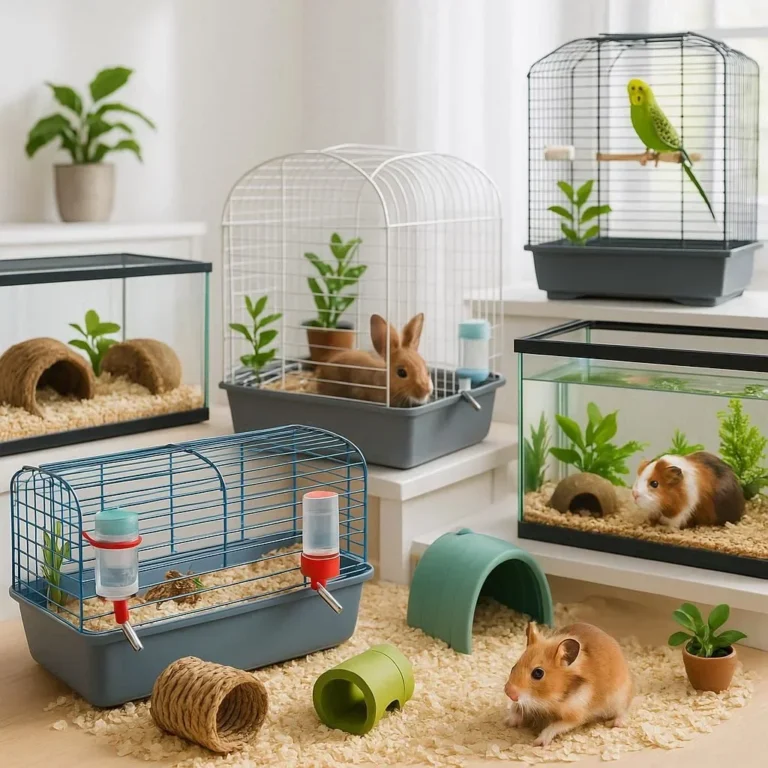
- Choose a Well-Ventilated Cage: Opt for a cage with good airflow, such as one with wire mesh walls or plenty of ventilation holes.
- Position the Cage Correctly: Place the cage in a well-ventilated area of your home, away from walls and other obstructions.
- Avoid Overcrowding: Ensure that your pet has enough space in the cage to move around comfortably. Overcrowding can lead to increased odor.
4. Monitor Your Pet’s Diet
Your pet’s diet can also impact the smell of their cage. Certain foods can cause stronger odors in their waste. Here are some dietary tips:
- High-Quality Food: Feed your pet high-quality food that is designed to minimize waste and odors. Avoid cheap or low-quality foods that can cause digestive issues.
- Limit Treats: Treats can be a fun way to bond with your pet, but too many treats can lead to increased waste and odors.
- Fresh Water: Always ensure your pet has access to fresh, clean water. Dehydration can lead to stronger-smelling urine.
5. Use Odor-Control Products
There are several products available that can help keep small pet cages smelling fresh. Here are a few options:
- Odor-Absorbing Sprays: These sprays can be applied to the bedding or cage walls to neutralize odors.
- Baking Soda: Baking soda is a natural odor absorber. Sprinkle a small amount on the bedding or in the litter box to help control odors.
- Activated Charcoal: Activated charcoal is another natural odor absorber that can be placed in the cage or near the cage to absorb odors.
6. Disinfect the Cage Regularly
Disinfecting the cage regularly is essential for keeping it smelling fresh and preventing the spread of germs. Here are some tips for disinfecting the cage:
- Use Pet-Safe Cleaning Products: Always use cleaning products that are safe for your pet. Avoid harsh chemicals or bleach, as these can be harmful to your pet.
- Disinfect All Surfaces: Make sure to disinfect all surfaces inside the cage, including walls, floors, and accessories.
- Rinse Thoroughly: After disinfecting, rinse all surfaces thoroughly to remove any cleaning solution residue.
7. Use a Litter Box
If your pet is trainable, using a litter box can help reduce odors in the cage. Here are some tips for using a litter box:
- Choose the Right Litter: Use a litter that is safe for your pet and effective at controlling odor. Avoid clumping clay litter, as it can be harmful if ingested.
- Place the Litter Box Correctly: Place the litter box in a corner of the cage where your pet is most likely to use it.
- Clean the Litter Box Regularly: Scoop out waste daily and change the litter completely every week.
8. Consider Using an Air Purifier
If you have multiple small pets or live in a small space, an air purifier can help keep the air fresh and reduce odors from the cage. Here are a few things to consider when choosing an air purifier:
- HEPA Filter: Look for an air purifier with a HEPA filter, which is effective at removing dust, dander, and other airborne particles.
- Odor-Reducing filtrations: Some air purifiers also include odor-reducing filtration systems, which can help eliminate smells from the cage.
- Size: Choose an air purifier that is the right size for the room where the cage is located.
9. Avoid Overlooking Hidden Areas
When cleaning the cage, it’s essential to pay attention to all areas, including those that are easy to overlook. Here are a few areas to keep in mind:
- Corners: Waste and bedding can accumulate in the corners of the cage, leading to odors.
- Under Accessories: Check under toys, tunnels, and other accessories where waste and bedding may hide.
- Wheels and Accessories: Clean hamster wheels, exercise balls, and other accessories regularly to prevent the buildup of bacteria and odors.
10. Establish a Cleaning Routine
To keep your small pet cage smelling fresh, it’s important to establish a regular cleaning routine. Here’s a sample routine you can follow:
- Daily: Remove soiled bedding, uneaten food, and feces. Clean water bottles and food dishes.
- Weekly: Perform a deep clean of the cage, including washing walls, floors, and accessories. Replace all bedding.
- Monthly: Disinfect the cage and all accessories. Check for any signs of wear or damage and make repairs as needed.
Conclusion
Keeping small pet cages smelling fresh requires regular cleaning, the right bedding, proper ventilation, and attention to detail. By following these tips, you can create a clean, healthy environment for your pet and keep your home smelling fresh. Remember, a clean cage is not only better for your pet’s health, but it’s also more pleasant for you and your family to be around.