Indoor vs. Outdoor Cats: Finding What Fits Your Feline Best
Indoor vs. Outdoor Cats: Finding What Fits Your Feline Best
Deciding whether your cat should live indoors or outdoors is one of the most important choices you’ll make as a pet owner. While both options have their pros and cons, understanding what works best for your feline friend can significantly impact their health, happiness, and safety. In this comprehensive guide, we’ll explore the indoor vs. outdoor cat debate, helping you make an informed decision that suits your cat’s unique needs and your lifestyle.
The Indoor Cat: A Life of Comfort and Safety
Pros of Keeping Your Cat Indoors
- Safety from Outdoor Hazards
One of the primary advantages of keeping your cat indoors is protecting them from the dangers of the outside world. Outdoor cats face numerous risks, including traffic accidents, predators, toxic substances, and diseases spread by other animals. By keeping your cat indoors, you significantly reduce these threats, ensuring a safer and healthier environment. - Better Health
Indoor cats generally experience fewer health issues compared to their outdoor counterparts. They’re less likely to encounter parasites like fleas, ticks, and worms, and they’re at a lower risk of contracting diseases such as feline leukemia or feline immunodeficiency virus. Indoor cats also avoid the dangers of poison from pesticides or other harmful substances found outdoors. - Longer Lifespan
Studies have shown that indoor cats tend to live longer than outdoor cats. On average, indoor cats live up to 12-17 years, while outdoor cats may have a shorter lifespan due to the various risks they face. Providing a safe and stable indoor environment can give your cat a better chance at a long and happy life. - Controlled Environment
Indoor cats live in a controlled climate, protected from extreme temperatures, harsh weather conditions, and other environmental stressors. This is particularly beneficial for cats with certain health conditions or those that are sensitive to heat or cold. - Better Bonding
Spendings more time with your cat indoors can strengthen your bond. Indoor cats are often more social and interactive, as they depend on you for stimulation and entertainment. This close relationship can lead to a more fulfilling and enjoyable pet ownership experience.
Cons of Keeping Your Cat Indoors
- Limited Stimulation
Indoor cats may lack the mental and physical stimulation provided by the outdoors. Without access to natural environments, they might become bored, lazy, or even overweight if they don’t receive enough exercise and activity. - Behavioral Issues
Cats that are confined indoors without proper enrichment may develop behavioral problems such as excessive meowing, destructive scratching, or restlessness. These issues can be challenging to address and may require additional attention and effort from you as the owner. - Dependence on Humans
Indoor cats rely on their owners for all aspects of their care, including exercise, feeding, and entertainment. This dependency means that you’ll need to invest time and effort into ensuring their physical and mental well-being.
The Outdoor Cat: Embracing Freedom and Nature
Pros of Letting Your Cat Explore Outdoors
- Natural Behavior
Cats are natural hunters and explorers, and being outdoors allows them to engage in instinctual behaviors such as chasing prey, climbing trees, and experiencing the sights and sounds of nature. Outdoor exposure can help satisfy their innate curiosity and instincts. - Physical Exercise
Outdoor cats often get more physical exercise as they explore their surroundings. This active lifestyle can help maintain a healthy weight and keep their muscles strong and agile. - Mental Stimulation
The outdoors provides a dynamic and ever-changing environment that can keep your cat mentally stimulated. Exploring different terrains, encountering various animals, and experiencing seasonal changes can prevent boredom and keep your cat engaged. - Social Interaction
Outdoor cats may have the opportunity to interact with other animals and even people, which can help them develop social skills and reduce loneliness. For cats that are naturally more extroverted, outdoor time can be particularly beneficial. - Freedom and Independence
Some cats thrive on the freedom and independence that comes with being outdoors. They can roam, hunt, and explore without being confined to a limited space, which can be fulfilling for cats with a strong sense of adventure.
Cons of Letting Your Cat Explore Outdoors
- Safety Risks
As mentioned earlier, outdoor cats face numerous safety risks, including traffic accidents, predator attacks, and exposure to harmful substances. These dangers can significantly impact your cat’s health and well-being. - Health Concerns
Outdoor cats are more likely to encounter parasites, diseases, and injuries. They may also be exposed to harmful substances like antifreeze, pesticides, or other toxic materials found in the environment. - Shorter Lifespan
The increased exposure to risks and dangers outdoors can lead to a shorter lifespan for your cat. While some cats may be more resilient, the cumulative effects of outdoor hazards can take a toll on their health. - Uncertainty
When your cat is outdoors, you have less control over their activities and surroundings. This uncertainty can be stressful for owners who worry about their cat’s safety and well-being. - Legal and Ethical Considerations
In some areas, there may be laws or regulations regarding outdoor cats, such as licensing requirements or restrictions on roaming. Additionally, outdoor cats may contribute to local wildlife issues, such as hunting birds or small animals, which can raise ethical concerns.
Finding the Best Fit for Your Cat: Factors to Consider
- Your Cat’s Personality
Some cats are naturally more suited to indoor living, while others may thrive in an outdoor environment. Consider your cat’s personality, energy level, and instincts when deciding between an indoor or outdoor lifestyle. - Your Lifestyle and Schedule
If you have a busy schedule or live in an apartment with limited space, indoor living may be more practical. On the other hand, if you have a secure outdoor area or plenty of time to supervise your cat, outdoor time could be a good option. - Your Location and Environment
Where you live plays a significant role in determining whether indoor or outdoor living is more suitable for your cat. If you live in a busy city with heavy traffic, it may be safer to keep your cat indoors. Conversely, if you reside in a quiet, rural area with plenty of space, outdoor exploration might be more feasible. - Your Cat’s Health and Needs
If your cat has specific health conditions or requirements, such as a disability or chronic illness, indoor living may be the better choice to ensure their comfort and safety.
Creating a Balanced Lifestyle for Your Cat
If you’re unsure about whether to keep your cat indoors or outdoors, there are ways to provide a balanced lifestyle that offers both safety and stimulation.
- Indoor-Outdoor Hybrids
Consider creating a hybrid lifestyle where your cat spends most of their time indoors but has supervised access to the outdoors. This could include setting up a screened-in porch, a cat enclosure, or simply letting them explore under your watchful eye. - Enriching Indoor Spaces
To prevent boredom and promote physical activity, create an engaging indoor environment for your cat. This can include setting up climbing structures, hiding spots, interactive toys, and scratching posts. You can also rotate toys regularly to keep your cat interested and entertained. - Providing Outdoor Access Safely
If you decide to let your cat spend time outdoors, ensure their safety by microchipping them, ensuring they have up-to-date vaccinations, and providing a secure outdoor enclosure or “catio.” A catio is a fenced or enclosed outdoor space specifically designed for cats, allowing them to enjoy nature while remaining protected from potential dangers. - Spending Quality Time
Regardless of whether your cat is primarily indoor or outdoor, spending quality time with them is essential for their well-being. Engage in play, provide attention, and create a loving and nurturing environment that meets their emotional and social needs.
Tips for Indoor Cats
- Create Vertical Space
Make the most of your indoor space by utilizing vertical areas. Install cat shelves, cat trees, or climbing structures to give your cat plenty of room to explore and exercise. - Rotate Toys and Accessories
Keep your cat entertained by rotating their toys and accessories regularly. This keeps their environment fresh and stimulating, reducing the likelihood of boredom and behavioral issues. - Encourage Interactive Play
Spend time engaging your cat in play using toys like feather wands, laser pointers, or interactive puzzle toys. Interactive play not only provides physical exercise but also strengthens your bond with your cat. - Provide Scratching Posts
Cats have a natural instinct to scratch, and providing appropriate scratching posts can help protect your furniture and keep your cat’s nails healthy. Place scratching posts in strategic locations throughout your home to encourage their use. - Create a Window Perch
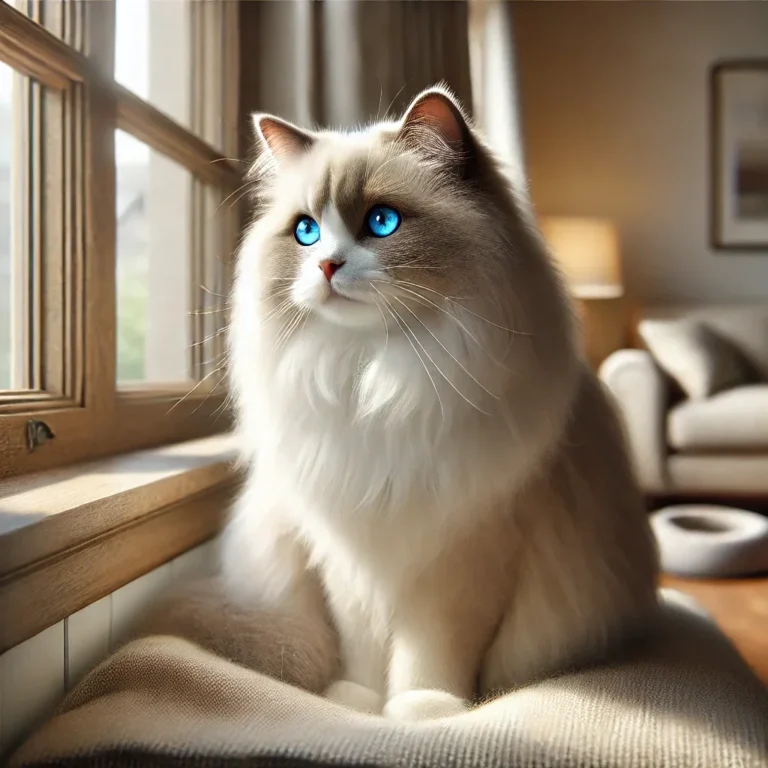
Indoor cats love to observe the outdoors, and placing a window perch near a window allows them to watch birds, squirrels, and other wildlife. This can be mentally stimulating and provide hours of entertainment.
Tips for Outdoor Cats
- Ensure Proper Identification
Make sure your outdoor cat is microchipped and wears a collar with identification tags. This increases the chances of them being returned to you if they ever get lost or injured. - Provide a Safe Outdoor Space
If possible, create a secure outdoor enclosure or catio where your cat can safely explore the outdoors without exposure to dangers. This can be a fenced area, a screened-in porch, or even a mobile cat enclosure. - Supervise Outdoor Time
When letting your cat explore the outdoors, supervise their activities to ensure their safety. This is especially important for young or inexperienced cats that may not yet have the skills to navigate outdoor risks. - Check for Health Issues
Regularly inspect your outdoor cat for signs of illness or injury, such as fleas, ticks, scratches, or wounded areas. Keep up-to-date on vaccinations and parasite control to protect their health. - Set Boundaries
Establish clear boundaries for where your outdoor cat can and cannot go. This might include restricting access to certain areas of your property or neighboring lands to prevent them from wandering too far.
Conclusion: What’s Best for Your Cat?
The decision to keep your cat indoors or outdoors depends on a variety of factors, including their personality, your lifestyle, and the environment in which you live. While indoor living offers safety and comfort, outdoor exploration provides natural stimulation and freedom. The key is to find a balance that meets your cat’s unique needs while ensuring their well-being.
By creating a stimulating indoor environment, providing safe outdoor access, or finding a hybrid solution that works for you and your feline companion, you can help them live a happy, healthy, and fulfilling life. Remember, every cat is different, and what works for one may not work for another. Ultimately, the best choice is the one that prioritizes your cat’s safety, health, and happiness.