The Truth About Exotic Cat Breeds and Their Temperaments
Exotic cat breeds have long fascinated cat lovers around the world with their unique appearance and intriguing personalities. From the sleek Bengal to the fluffy Ragdoll, exotic breeds offer a wide range of characteristics that set them apart from domestic cats. However, with their distinctive looks and behaviors comes a lot of curiosity—and sometimes misinformation—about their temperaments. In this blog post, we’ll delve into the truth about exotic cat breeds and explore their personalities, behaviors, and what makes them unique companions.
What Are Exotic Cat Breeds?
Before we dive into the temperament of exotic cat breeds, it’s important to understand what defines an exotic breed. In the context of cats, the term “exotic” doesn’t necessarily mean a cat is wild or untamed. Instead, it refers to breeds that have been developed through careful breeding to achieve specific physical and behavioral traits that aren’t typically found in standard domestic cats.
Exotic cat breeds are often the result of crossbreeding domestic cats with other feline species or mixing different domestic breeds to create a cat with unique characteristics. Some exotic breeds, like the Savannah, are hybrids, while others, like the Persian, are purebred but have distinctive features that make them stand out.
Factors That Influence Temperament in Exotic Cat Breeds
The temperament of exotic cat breeds is influenced by a variety of factors, including genetics, upbringing, and breed-specific traits. Understanding these factors can help you better understand what to expect from an exotic cat as a pet.
- Genetics: The genetic makeup of a cat plays a significant role in its temperament. Breeding practices, such as crossbreeding different species or selecting for specific traits, can result in cats with unique personality traits. For example, the Bengal breed, which is a cross between a domestic cat and an Asian leopard cat, is known for its energetic and curious nature.
- Upbringing: A cat’s early life experiences, including socialization and interaction with humans, can significantly impact its temperament. Kittens that are handled from an early age and exposed to a variety of environments are more likely to be confident and friendly as adult cats.
- Breed-Specific Traits: Different exotic breeds have been bred for specific characteristics, which can influence their temperament. For example, the Ragdoll is known for its calm and affectionate nature, while the Singapura is known for its playful and mischievous personality.
Common Exotic Cat Breeds and Their Temperaments
Let’s take a closer look at some popular exotic cat breeds and their typical temperaments.
1. Bengal
The Bengal is one of the most recognizable exotic cat breeds due to its distinctive spotted or marbled coat. This breed is a cross between a domestic cat and an Asian leopard cat, and it’s known for its high energy and intelligence.
People who own Bengals often describe them as curious, playful, and affectionate. They are highly interactive and love to engage in activities such as chasing toys, climbing, and even playing water games. However, their high energy level means they require a lot of stimulation and exercise. If they don’t receive enough mental and physical stimulation, they can become bored or restless, which may lead to destructive behavior.
Bengals are also known for their vocal nature. They are not afraid to express their opinions and can be quite talkative, which may not be ideal for someone who prefers a quieter pet.
2. Savannah
The Savannah is another exotic breed that has gained popularity in recent years. This breed is a cross between a domestic cat and a serval, a wild African cat known for its tall ears and striking coat patterns.
Savannahs are known for their tall, slender build and their striking appearance, which often draws comparisons to wild cats. Their temperament is often described as curious, adventurous, and energetic. They are highly intelligent and enjoy exploring their surroundings, which can sometimes get them into trouble.
Savannahs are also known for their loyalty to their owners. They form strong bonds with their humans and are often described as dog-like in their behavior, as they enjoy following their owners around the house and engaging in play. However, their high energy and curious nature can make them challenging to care for, especially for inexperienced cat owners.
3. Singapura
The Singapura is one of the smallest exotic cat breeds, with adults typically weighing between 4 and 8 pounds. Despite their small size, Singapuras are known for their big personalities.
Singapuras are often described as playful, curious, and mischievous. They have a lot of energy and enjoy interacting with their surroundings, whether that means chasing a toy or exploring every nook and cranny of their environment. Their curious nature can sometimes get them into trouble, so they require plenty of supervision and stimulation.
4. Ragdoll
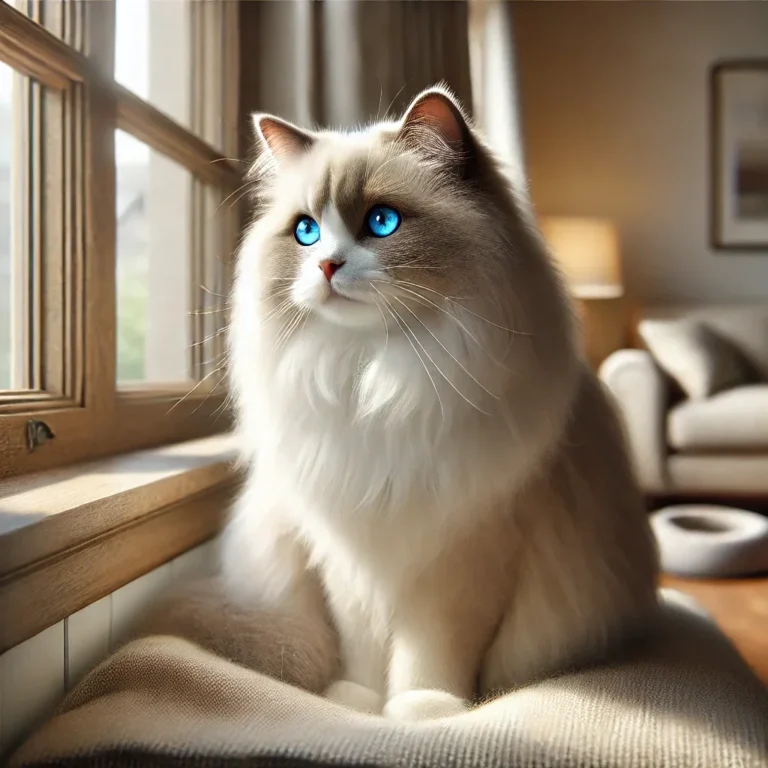
The Ragdoll is a popular exotic breed known for its soft, silky coat and docile nature. This breed is often described as calm, affectionate, and laid-back, making them a great choice for families or individuals who want a low-maintenance pet.
Ragdolls are known for their tendency to go limp when picked up, which is where they get their name. They are highly affectionate and enjoy being around their owners, often seeking out human interaction. They are generally less active than other exotic breeds and are content with a quiet, comfortable lifestyle.
5. Persian
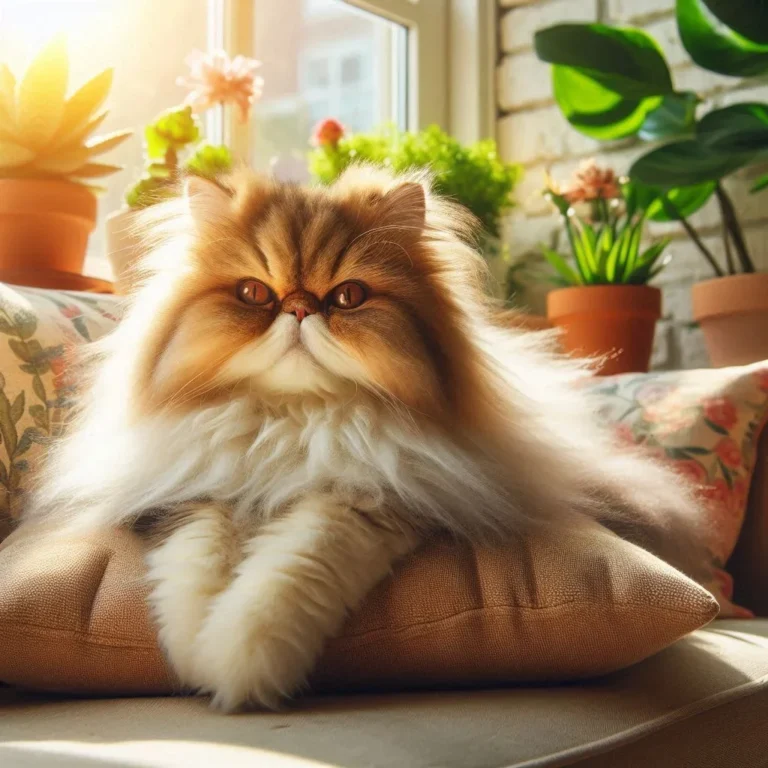
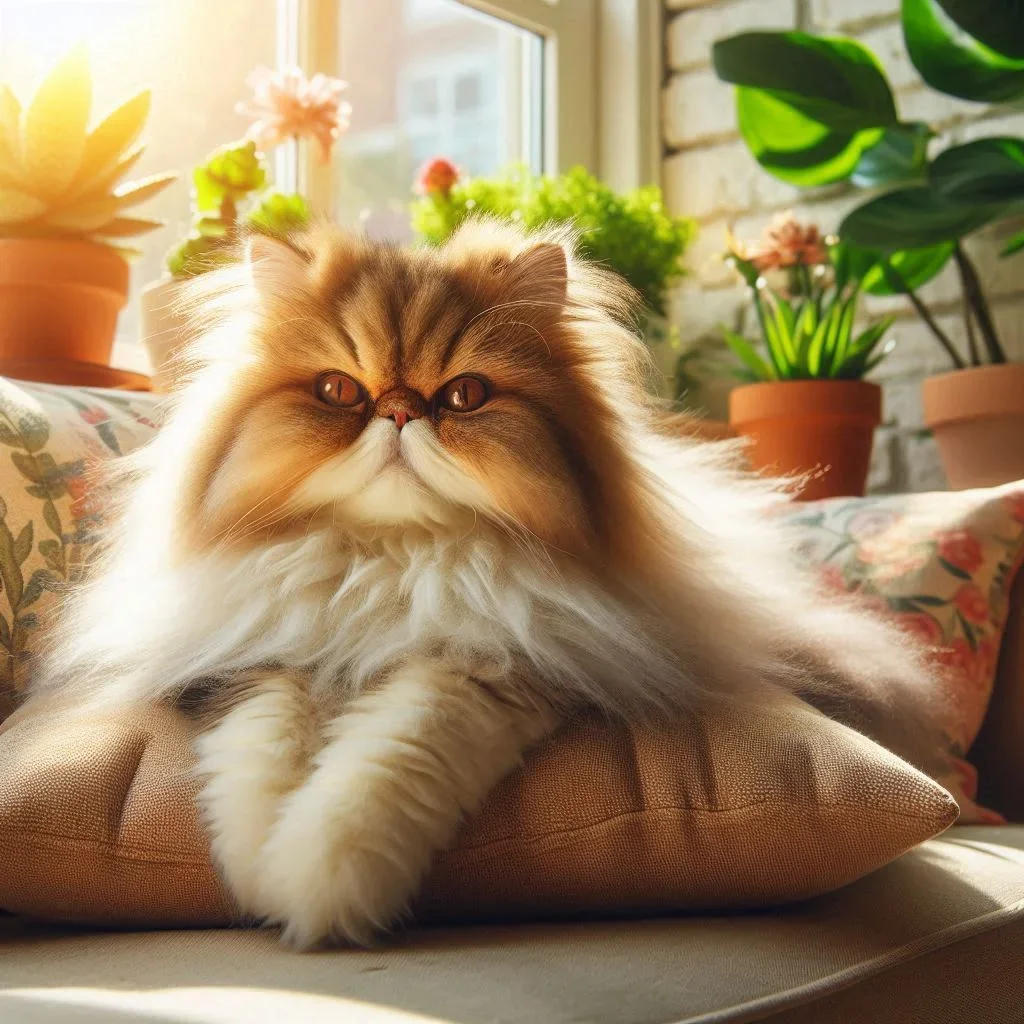
The Persian is one of the most recognizable exotic breeds due to its long, fluffy coat and round face. This breed has been popular for centuries, and its gentle and calm demeanor makes it a favorite among many cat enthusiasts.
Persians are known for their gentle and affectionate nature. They are not as active as some other exotic breeds and tend to prefer a more relaxed lifestyle. They are often described as quiet and laid-back, which makes them a great choice for people who want a calm and soothing pet.
However, Persians do require regular grooming to maintain their long coats. Owners need to be prepared to spend time brushing their fur to prevent matting and tangling.
The Challenges of Owning an Exotic Cat Breed
While exotic cat breeds can make wonderful pets, they also come with some challenges that potential owners should be aware of. Understanding these challenges can help you decide whether an exotic breed is the right choice for you.
- High Energy Levels: Many exotic breeds, particularly those with wild cat ancestry, have high energy levels and require a lot of stimulation. If they don’t receive enough physical and mental stimulation, they can become bored, restless, or even destructive.
- Special Needs: Some exotic breeds have special needs that require extra attention and care. For example, Persians require regular grooming to maintain their long coats, while Savannahs may need more space to move around and explore.
- Emotional Demands: Exotic breeds are often highly intelligent and emotionally sensitive. They can form strong bonds with their owners and may require more attention and interaction than standard domestic cats.
- Legal Considerations: In some places, exotic cat breeds, particularly those with wild cat ancestry, may be subject to specific laws and regulations. For example, some states in the U.S. have restrictions on owning Savannahs due to their wild heritage. Potential owners should research local laws and regulations before deciding to bring an exotic breed into their home.
Tips for Potential Owners of Exotic Cat Breeds
If you’re considering bringing an exotic cat breed into your home, here are some tips to help you make the best decision and ensure a happy, healthy relationship with your new pet.
- Research, Research, Research: Before deciding on a specific breed, do your research. Learn about the breed’s temperament, energy level, and special needs. Consider whether the breed’s characteristics align with your lifestyle and living situation.
- Choose a Reputable Breeder: If you decide to purchase an exotic breed from a breeder, choose a reputable one who prioritizes the health and well-being of their cats. Be wary of breeders who prioritize appearance over temperament or health.
- Prepare Your Home: Depending on the breed, you may need to make some changes to your home to accommodate your new pet. For example, high-energy breeds may need more space to move around, while long-haired breeds may require regular grooming sessions.
- Spend Quality Time: Exotic breeds are often highly social and require a lot of interaction. Make sure you have enough time to spend with your cat, whether that means playing with them, grooming them, or simply cuddling on the couch.
- Understand the Commitment: Exotic breeds can be a long-term commitment. Some breeds may have specific health issues or require ongoing care, so it’s important to understand the responsibilities involved before bringing one home.
Conclusion
Exotic cat breeds offer a unique and rewarding experience for cat lovers who are willing to put in the time and effort to care for them. From the playful, energetic Bengal to the calm, affectionate Ragdoll, there’s an exotic breed to suit a variety of personalities and lifestyles.
By understanding the factors that influence their temperament and being aware of the challenges and responsibilities involved in owning an exotic breed, you can make an informed decision and build a lasting, loving relationship with your new pet.
Whether you’re a seasoned cat owner or a first-time pet parent, the world of exotic cat breeds has something to offer. So, if you’re ready to embark on an adventure with a unique and special companion, consider bringing an exotic cat breed into your life.