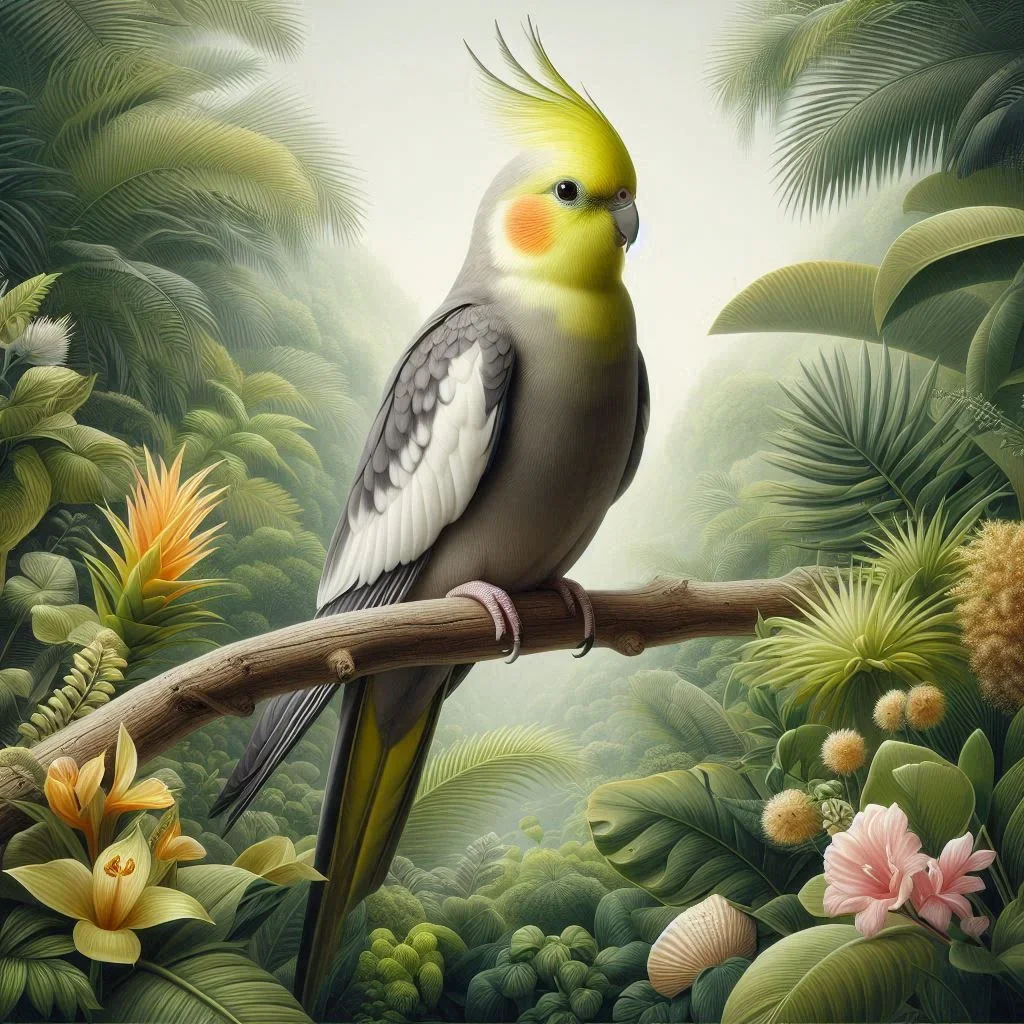
How Music Affects Bird Behavior and Mood
Music is a universal language that has the power to evoke emotions, influence moods, and even shape behavior. While humans have long understood the impact of music on their own lives, research has begun to uncover how music affects other creatures, particularly birds. Birds are known for their melodic songs, which they use for communication, mating, and territorial marking. But what happens when birds are exposed to human-made music? Does it influence their behavior or mood? Let’s delve into the fascinating world of birds and music to explore how music affects bird behavior and mood.
The Connection Between Birds and Sound
Birds are inherently auditory creatures. Their songs are not just random sounds; they are complex patterns of notes and rhythms that convey specific messages. For many bird species, singing is a vital part of their communication and survival. For example, male songbirds sing to attract females, while other birds use calls to alert their flock of potential dangers.
Given that birds are so attuned to sound, it’s no surprise that external auditory stimuli, including music, can have a profound impact on their behavior and mood. Research has shown that birds can distinguish between different types of sounds and even recognize specific musical compositions. This ability suggests that music could play a role in influencing their emotional states and behaviors.
How Music Affects Bird Behavior
The impact of music on bird behavior is a subject of growing interest. Studies have observed that birds respond to music in various ways, from changes in their singing patterns to shifts in their activity levels. Let’s explore some of the ways music affects bird behavior:
1. Music as a Stimulant for Singing
Birds are naturally inclined to sing, and exposure to music can stimulate their singing behavior. In one study, researchers played different types of music to a group of songbirds and observed that the birds sang more frequently and with greater vigor when exposed to classical music. This suggests that certain types of music may encourage birds to sing, potentially as a form of mimicry or competition.
Interestingly, some birds have been known to incorporate elements of human music into their own songs. For instance, a bird might hear a melody from a nearby radio and weave it into its own song. This phenomenon highlights the adaptability of birds and their ability to learn from their environment.
2. Impact on Activity Levels
Music can also influence a bird’s activity level. For example, upbeat and fast-paced music may increase a bird’s activity, causing it to flutter, hop, or even exhibit playful behaviors. On the other hand, calm and soothing music may have a sedative effect, encouraging the bird to rest or relax.
In a study conducted with parakeets, researchers found that the birds became more active when exposed to energetic music but became noticeably calmer when slower, more melodic music was played. These findings suggest that music can be used to regulate a bird’s activity levels, which could be particularly useful in captive environments like zoos or aviaries.
3. Music as a Tool for Reducing Stress
Birds, like humans, can experience stress due to environmental factors such as noise pollution, changes in habitat, or even the presence of predators. Stress can lead to negative behaviors like feather plucking, pacing, or vocalization. However, research suggests that music can be used as a tool to reduce stress in birds.
In one experiment, researchers played calming music to a group of birds that were exhibiting signs of stress. The results showed a significant reduction in stress-related behaviors, with the birds appearing more relaxed and calm. This suggests that music could be a valuable tool for improving the welfare of birds in captivity.
4. Influence on Bird Communication
Birds rely heavily on their songs and calls to communicate with each other. While music is a human invention, it’s possible that birds may interpret certain types of music as a form of communication. For example, a bird may respond to a musical melody as if it were another bird’s song.
In some cases, birds have been observed altering their own songs in response to music. For instance, a bird might change the pitch or tempo of its song after being exposed to a particular musical composition. This phenomenon highlights the dynamic nature of bird communication and their ability to adapt to new auditory stimuli.
The Effects of Music on Bird Mood
While behavior is an observable response to music, mood refers to the internal emotional state of a bird. Measuring mood in birds can be more challenging, as it’s not always easy to determine what a bird is feeling. However, by observing changes in behavior and physiological responses, researchers can infer how music affects a bird’s mood.
1. Music and Emotional Well-Being
Just like humans, birds can experience a range of emotions, including happiness, sadness, and stress. Music has the power to influence these emotional states. For example, calm and soothing music can create a sense of relaxation, while upbeat and energetic music can evoke feelings of excitement and joy.
In a study involving canaries, researchers found that the birds exhibited signs of happiness, such as singing and fluttering, when exposed to classical music. Conversely, when the music was replaced with white noise, the birds became less active and appeared more subdued. These findings suggest that music can have a positive impact on a bird’s emotional well-being.
2. Music as a Form of Enrichment
In captive environments, birds often lack the stimulation they would naturally experience in the wild. This lack of stimulation can lead to boredom, stress, and other negative emotional states. Music can serve as a form of enrichment, providing birds with mental and emotional stimulation.
For example, playing a variety of musical genres or nature sounds can keep birds engaged and interested. This enrichment can help reduce boredom and stress, promoting a more positive mood.
3. The Role of Music in Bird Socialization
Birds are social creatures, and music can play a role in their socialization. In some species, singing is a group activity, with birds harmonizing or responding to each other’s songs. Exposure to music can encourage social interaction among birds, fostering a sense of community and cooperation.
In a study with a flock of starlings, researchers observed that playing music appeared to strengthen social bonds within the group. The birds were more likely to interact with each other and engage in synchronized behaviors when music was played. This suggests that music can be a valuable tool for promoting socialization in birds.
The Different Types of Music and Their Effects on Birds
Not all music is created equal when it comes to its impact on birds. Different genres, tempos, and Volume levels can have varying effects on bird behavior and mood. Let’s explore how different types of music might influence birds:
1. Classical Music
Classical music is often characterized by its melodic harmonies, soothing rhythms, and emotional depth. These qualities make it particularly effective at influencing bird behavior and mood. Many studies have shown that birds respond positively to classical music, exhibiting calmer behaviors and even singing along to the melodies.
In one famous experiment, a musician played a piano sonata for a group of birds in a forest. The birds were so enchanted by the music that they gathered around the musician, singing along in harmony. This remarkable interaction demonstrates the power of classical music to connect with birds on a deep level.
2. Nature Sounds
Nature sounds, such as the rustling of leaves, the chirping of crickets, or the babbling of brooks, are naturally calming for birds. These sounds mimic the environment in which birds live, creating a sense of familiarity and comfort.
Playing nature sounds can be particularly beneficial for birds in captive environments, as it can help them feel more at ease and connected to their natural habitat. Many bird owners use nature sounds as a form of enrichment, playing them in aviaries or bird rooms to create a more relaxing atmosphere.
3. Upbeat and Energetic Music
Upbeat and energetic music, such as pop or rock, can have a stimulating effect on birds. The fast tempo and lively rhythms can increase a bird’s energy levels, encouraging activity and playfulness.
In a study involving parrots, researchers found that the birds became more active and engaged when exposed to upbeat music. They were observed swinging on their perches, flapping their wings, and even dancing to the beat. These findings suggest that energetic music can be a great way to encourage physical activity and mental stimulation in birds.
4. Music with Bird Songs
Music that incorporates actual bird songs can have a particularly strong impact on birds. These compositions often resonate with birds on a deeper level, as they recognize the familiar sounds and patterns.
In some cases, birds have been known to sing along with musical compositions that include their own songs. For example, a bird might hear a melody that mimics its own song and join in, creating a beautiful harmony between the music and its own voice. This interaction highlights the unique connection between birds and music.
Practical Applications of Music for Birds
The understanding of how music affects bird behavior and mood opens up a variety of practical applications. Whether you’re a bird owner, a biologist, or simply someone who loves birds, you can use music to enhance the lives of these feathered creatures. Here are some practical ways to use music for birds:
1. Creating a Relaxing Environment for Pet Birds
If you have a pet bird, playing calming music can help create a relaxing environment for your feathered friend. Choose music with slow tempos and soothing melodies, such as classical or nature sounds. This can help reduce stress and promote a sense of calm in your bird.
2. Encouraging Singing in Birds
If you want to encourage your bird to sing, try playing music that mimics the sounds of other birds or includes melodic patterns similar to your bird’s song. Many birds are naturally inclined to sing along with music, and this can be a great way to stimulate their vocal behavior.
3. Using Music for Bird Therapy
Birds in captivity often experience stress due to their confined environments. Playing music can be a therapeutic tool for these birds, helping to reduce stress and promote a sense of well-being. Zoos and wildlife sanctuaries are increasingly using music as part of enrichment programs for birds.
4. Attracting Birds to Your Garden
If you’re interested in attracting more birds to your garden, consider playing music that includes bird songs or nature sounds. This can create a welcoming environment for birds, encouraging them to visit and stay awhile. You can place a speaker near a bird feeder or birdbath to draw in your feathered friends.
The Potential Downsides of Music for Birds
While music can have a positive impact on bird behavior and mood, it’s important to consider the potential downsides. For example, loud or jarring music can startle birds, causing them stress or discomfort. Similarly, overexposure to music can be overwhelming for birds, leading to negative behaviors.
To avoid these downsides, it’s important to choose music that is calming and familiar to birds. Keep the Volume at a reasonable level, and avoid playing music for extended periods. It’s also important to observe your bird’s reactions to different types of music and adjust accordingly.
Conclusion
Music is a powerful tool that can have a profound impact on bird behavior and mood. Whether it’s encouraging singing, reducing stress, or promoting social interaction, music offers a variety of benefits for birds. By understanding how different types of music affect birds, we can use it to enhance their lives and create a more harmonious relationship between humans and birds.
So next time you’re out in nature or interacting with your pet bird, consider the role that music can play in their lives. You might be surprised at how much of a difference it can make. After all, music is a universal language that transcends species, connecting us all in ways we’re still discovering.