Recognizing Early Signs of Anxiety in Dogs
Anxiety in dogs is a common yet often overlooked issue that can significantly impact their quality of life. As a dog owner, it’s crucial to recognize the early signs of anxiety to provide timely intervention and ensure your furry friend leads a happy and healthy life. In this blog post, we’ll explore the early signs of anxiety in dogs, discuss common causes, and offer practical tips on how to help your dog feel more at ease.
Understanding Canine Anxiety
Anxiety in dogs can manifest in various forms, and it’s essential to understand that dogs, like humans, can experience stress and fear in response to certain stimuli. While some dogs may exhibit mild signs of anxiety, others may develop severe anxiety that interferes with their daily lives. Common types of anxiety in dogs include separation anxiety, noise anxiety, social anxiety, and generalized anxiety.
Early Signs of Anxiety in Dogs
Recognizing early signs of anxiety in dogs is the first step toward addressing the issue. Some common indicators include:
- Behavioral Changes
Dogs often exhibit behavioral changes when they’re feeling anxious. These changes can be subtle, so it’s essential to pay close attention to your dog’s body language and behavior patterns. Common behavioral signs of anxiety include:
- Panting or pacing
- Excessive barking or whining
- Restlessness or inability to relax
- Destructive behavior, such as chewing or digging
- Escape attempts, such as trying to run away or hide
- Physical Symptoms
Anxiety can also manifest physically in dogs. If your dog is experiencing anxiety, you may notice the following physical symptoms:
- Increased heart rate
- Rapid breathing
- Sweating through the paw pads
- Dilated pupils
- Trembling or shaking
- Excessive licking or drooling
- Avoidance Behaviors
Dogs may develop avoidance behaviors as a way to cope with their anxiety. These behaviors can include avoiding certain places, people, or situations that trigger their anxiety. If your dog suddenly becomes reluctant to participate in activities they once enjoyed, it could be a sign of underlying anxiety. - Changes in Appetite
Anxiety can affect a dog’s appetite, leading to either increased or decreased food intake. Some dogs may overeat due to stress, while others may lose interest in their food. - Sleep Disturbances
Anxiety can disrupt a dog’s sleep patterns, leading to insomnia or restlessness at night. If your dog is having trouble sleeping or seems restless, it could be a sign of anxiety.
Common Causes of Anxiety in Dogs
Understanding the underlying causes of anxiety in dogs can help you address the issue more effectively. Some common causes of anxiety in dogs include:
- Separation Anxiety
Separation anxiety is one of the most common types of anxiety in dogs. It occurs when a dog becomes distressed when left alone or separated from their primary caregiver. Dogs with separation anxiety may exhibit destructive behavior, excessive barking, or escape attempts when left alone. - Noise Anxiety
Noise anxiety is another common form of anxiety in dogs, often triggered by loud noises such as thunderstorms, fireworks, or construction. Dogs with noise anxiety may exhibit signs of fear, such as pacing, panting, or hiding. - Social Anxiety
Some dogs may develop social anxiety, which can manifest as fear or aggression toward people or other animals. Social anxiety in dogs can be caused by lack of socialization, traumatic experiences, or genetic predisposition. - Generalized Anxiety
Generalized anxiety is a broad term that describes a dog’s overall state of heightened stress and anxiety. It can be caused by a variety of factors, including changes in the environment, medical issues, or unknown stimuli.
How to Help a Dog with Anxiety
If you suspect that your dog is experiencing anxiety, there are several steps you can take to help them feel more at ease. Here are some practical tips:
- Provide a Safe Space
Create a safe, comfortable space where your dog can retreat when they feel anxious. This could be a crate or a quiet room where your dog feels secure. Adding familiar items, such as a favorite toy or blanket, can help your dog feel more at ease. - Establish a Routine
Dogs thrive on routine, and a consistent schedule can help reduce anxiety. Establish a regular feeding schedule, exercise routine, and playtime to provide a sense of stability and predictability. - Positive Reinforcement Training
Positive reinforcement training can help you address specific anxiety triggers and teach your dog to associate those triggers with positive outcomes. Reward your dog for calm behavior and avoid reinforcing anxious behaviors. - Desensitization and Counterconditioning
Desensitization and counterconditioning are effective techniques for addressing specific anxiety triggers. Desensitization involves gradually exposing your dog to the trigger at a low intensity, while counterconditioning involves associating the trigger with positive outcomes. - Calming Aids
There are a variety of calming aids available that can help reduce your dog’s anxiety. These include pheromone diffusers, calming collars, and anti-anxiety medications. Always consult with a veterinarian before using any calming aids, especially medications. - Environmental Enrichment
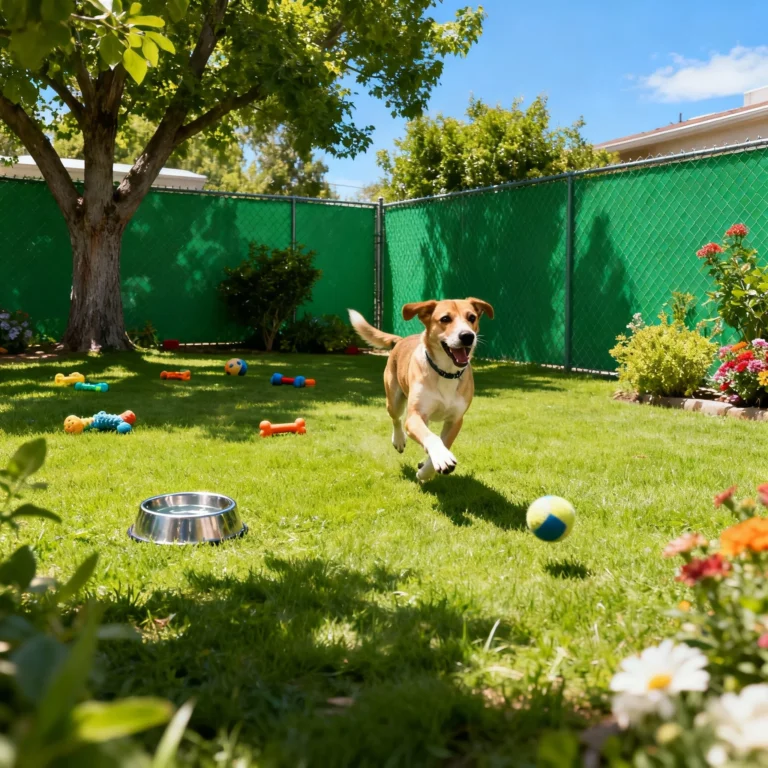
Environmental enrichment can help reduce boredom and stress, which can contribute to anxiety. Provide your dog with a variety of toys, puzzle feeders, and engaging activities to keep them mentally stimulated. - Seek Professional Help
If your dog’s anxiety is severe or persistent, it’s essential to seek professional help from a veterinarian or a certified animal behaviorist. A professional can help you develop a comprehensive plan to address your dog’s anxiety and improve their quality of life.
Conclusion
Anxiety in dogs is a common issue that can have a significant impact on their well-being. By recognizing early signs of anxiety, understanding common causes, and taking proactive steps to address the issue, you can help your dog feel more at ease and lead a happy, healthy life. Remember, every dog is unique, and what works for one dog may not work for another. With patience, persistence, and the right support, you can help your dog overcome anxiety and enjoy life to the fullest.