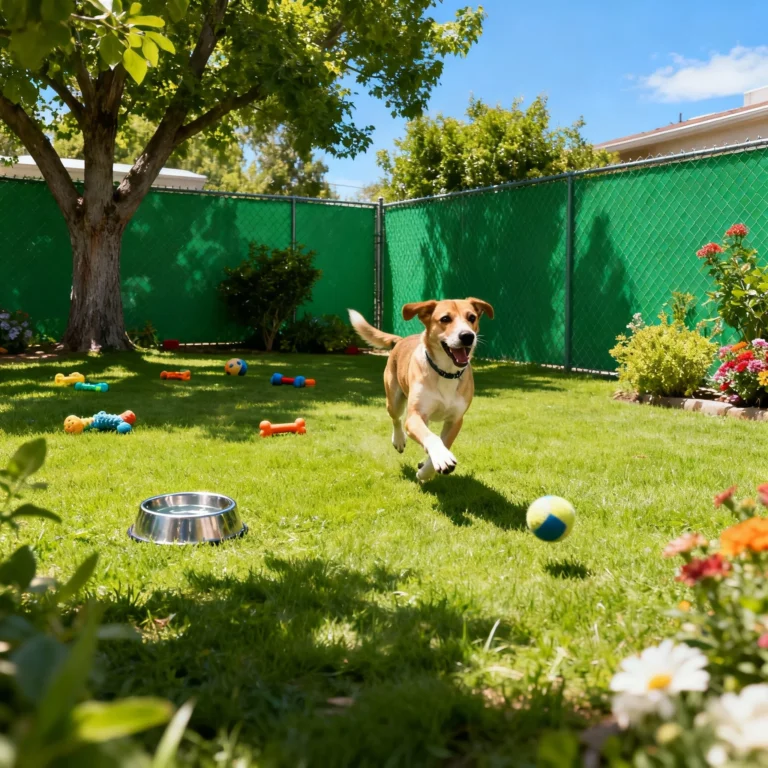
Creating a Routine That Keeps Your Pets Happy and Healthy
Introduction
In today’s fast-paced world, maintaining a consistent routine can be challenging for humans, let alone our furry friends. However, establishing a daily schedule for your pets is crucial for their overall well-being, emotional stability, and physical health. A well-structured routine helps pets adapt to their environment, reduces stress, and strengthens the bond between you and your companion. In this comprehensive guide, we will explore the essential elements of creating a routine that keeps your pets happy and healthy.
The Importance of Routine for Pets
Before diving into the specifics, it’s essential to understand why routines are so vital for pets. Animals thrive on predictability, which provides them with a sense of security and stability. Here are a few reasons why routine is so important:
- Reduces Anxiety and Stress: Pets can quickly pick up on changes in their environment, and unexpected events can cause stress. A consistent routine helps alleviate anxiety and provides a sense of normalcy.
- Promotes Better Health: Regular feeding times, exercise sessions, and sleep schedules contribute to better digestion, improved physical condition, and overall health.
- Encourages Good Behavior: A structured routine helps with house training, reduces destructive behavior, and encourages positive habits.
- Strengthens Bond: Spending quality time with your pet through a consistent routine strengthens your emotional bond and builds trust.
Creating a Feeding Routine
One of the most critical aspects of a pet routine is feeding. A consistent feeding schedule helps regulate your pet’s digestive system, prevents overeating, and ensures they receive the nutrients they need to stay healthy. Here are some tips for creating a feeding routine:
- Set Regular Feeding Times: Decide on specific times for breakfast and dinner, and stick to them as closely as possible, even on weekends. Consistency helps regulate your pet’s metabolism and prevents hunger pangs.
- Choose High-Quality Food: The quality of your pet’s food plays a significant role in their overall health. Consult with your veterinarian to determine the best diet for your pet based on their age, breed, and health conditions.
- Avoid Overfeeding: Monitor your pet’s food intake to prevent obesity, which is a common health issue in pets. Use a measuring cup to ensure portion control.
- Incorporate Treats Wisely: Treats can be a great way to reward good behavior, but they should not make up a significant portion of your pet’s diet. Choose healthy, low-calorie options and avoid overindulging.
Establishing an Exercise Routine
Regular physical activity is essential for your pet’s health and happiness. Exercise helps maintain a healthy weight, improves circulation, and keeps joints flexible. It also provides mental stimulation and reduces boredom, which can lead to destructive behavior. Here are some tips for creating an exercise routine for your pet:
- Understand Your Pet’s Needs: Different pets have different exercise requirements. Dogs generally need more physical activity than cats, but even cats need regular playtime to stay active and healthy.
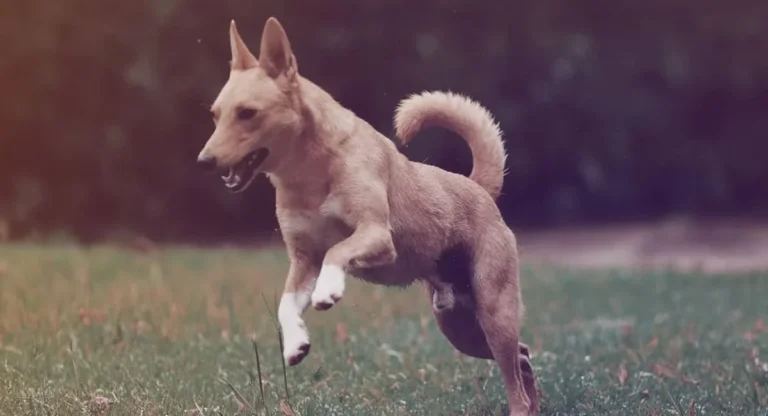
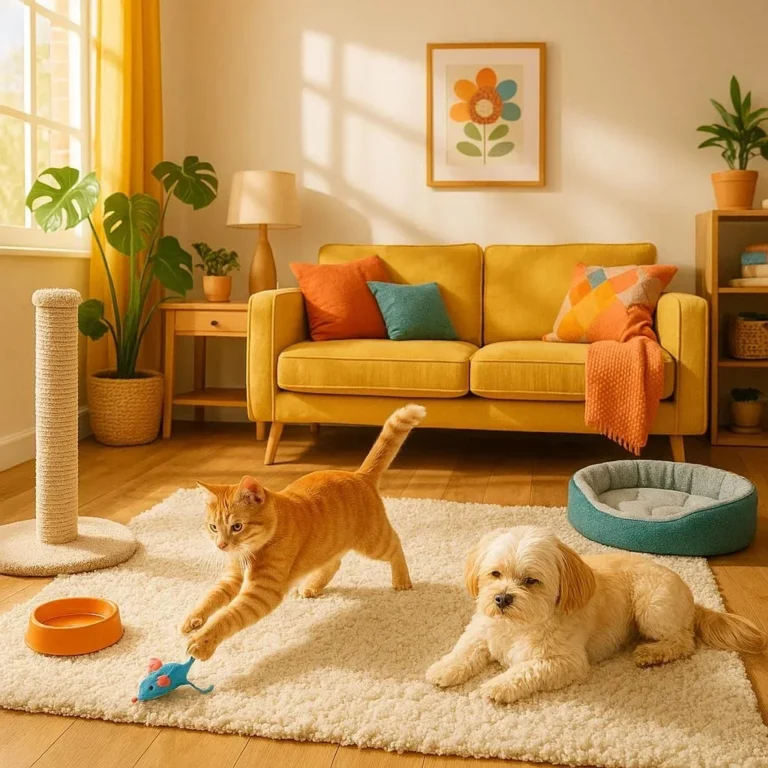
- Set Aside Time for Play: Dedicate specific times of the day for playtime. For dogs, this could include walks, runs, or play sessions in the park. For cats, interactive toys or climbing structures can provide the necessary physical and mental stimulation.
- Incorporate Mental Stimulation: Mental exercise is just as important as physical exercise. Interactive puzzles, obedience training, or scent games can keep your pet’s mind active and engaged.
- Be Consistent: Stick to your exercise routine as closely as possible. Inconsistent physical activity can lead to weight fluctuations and behavioral issues.
Creating a Social Interaction Routine
Social interaction is an often-overlooked but crucial aspect of a pet’s routine. Socialization helps pets develop good behavior, reduces anxiety, and strengthens the bond between you and your pet. Here’s how to incorporate social interaction into your routine:
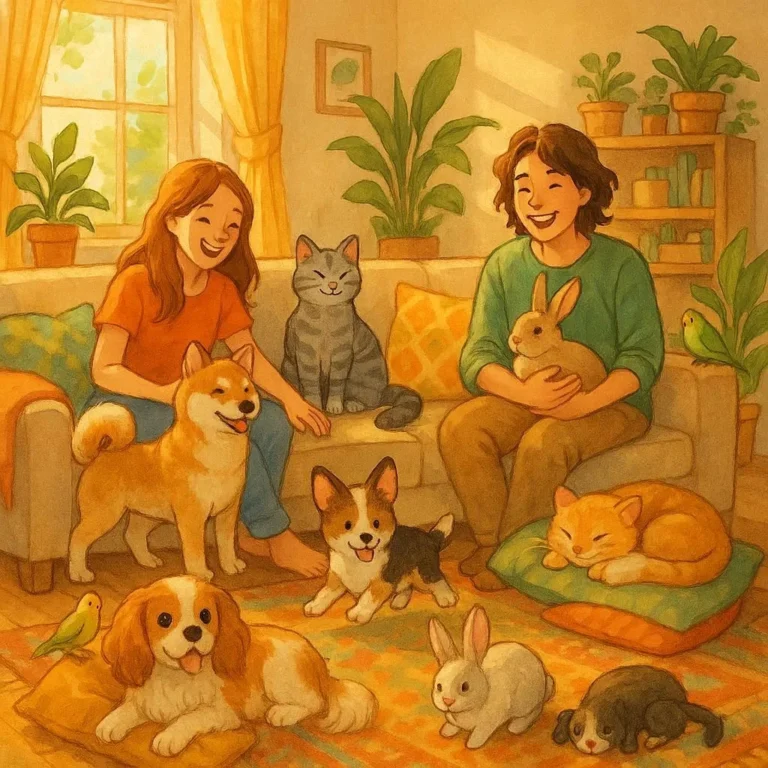
- Set Aside Quality Time: Spend quality time with your pet daily, whether it’s during feeding, playtime, or simply cuddling. This interaction helps your pet feel loved and secure.
- Train Basic Commands: Training not only provides mental stimulation but also reinforces your role as the leader. Consistent training sessions can help with behavior issues and improve communication.
- Consider Socialization Opportunities: If your pet enjoys the company of other animals or people, consider regular trips to the dog park, pet daycare, or social gatherings.
- Be Present: While it’s important to provide your pet with independence, it’s equally important to spend quality time together. Make eye contact, talk to your pet, and engage in activities they enjoy.
Developing a Sleep Routine
Adequate sleep is essential for your pet’s health, just as it is for humans. A consistent sleep routine helps regulate your pet’s circadian rhythms and ensures they get the rest they need to stay healthy and happy. Here are some tips for creating a sleep routine:
- Create a Bedtime Ritual: Develop a calming pre-bedtime routine, such as a quiet walk, a relaxing massage, or some soothing music. This helps signal to your pet that it’s time to wind down.
- Provide a Comfortable Environment: Ensure your pet has a comfortable and quiet place to sleep. Consider investing in a high-quality bed or mattress designed for your pet’s specific needs.
- Stick to a Schedule: Try to put your pet to bed and wake them up at the same time every day, even on weekends. This helps regulate their internal clock and improves the quality of sleep.
- Monitor Sleep Patterns: Keep an eye on your pet’s sleep patterns and adjust their routine as needed. Changes in sleep patterns could indicate underlying health issues that need attention.
Incorporating Grooming into the Routine
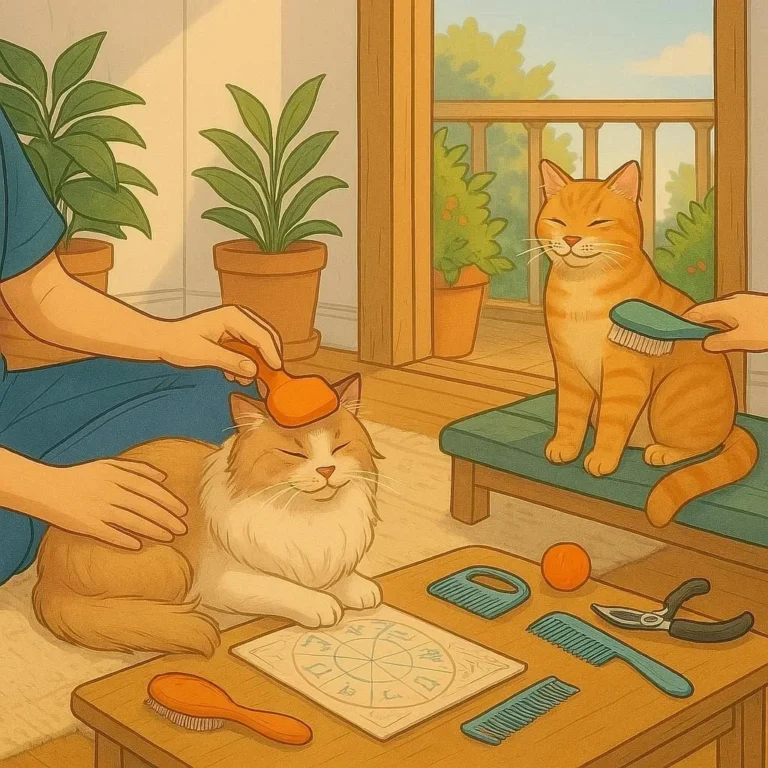
Grooming is more than just maintaining your pet’s appearance; it’s an essential part of their health and hygiene. A consistent grooming routine helps prevent skin infections, reduces shedding, and strengthens the bond between you and your pet. Here’s how to incorporate grooming into your routine:
- Brush Regularly: Depending on your pet’s coat type, brush them daily or a few times a week to remove loose hair, distribute skin oils, and prevent matting.
- Bathe as Needed: Bathing helps keep your pet clean and prevents skin irritations. However, over-bathing can strip their coat of natural oils, leading to dry skin. Consult with your veterinarian to determine the best bathing schedule for your pet.
- Trim Nails Regularly: Long nails can cause discomfort and health issues for your pet. Trim their nails regularly, or take them to a professional groomer if you’re unsure how to do it yourself.
- Check Ears and Eyes: Regularly inspect your pet’s ears and eyes for signs of infection or irritation. Clean them gently as needed, and consult your veterinarian if you notice any unusual symptoms.
- Dental Care: Dental hygiene is crucial for your pet’s overall health.Brush your pet’s teeth regularly, provide dental chews or toys, and schedule regular dental check-ups with your veterinarian.
The Role of Veterinary Care in Your Pet’s Routine
Regular veterinary care is an essential part of maintaining your pet’s health and happiness. A consistent routine of check-ups, vaccinations, and preventive care helps prevent health issues before they become serious. Here’s how to incorporate veterinary care into your routine:
- Schedule Regular Check-Ups: Most pets need at least one annual check-up, but some may require more frequent visits depending on their age, health, and lifestyle. Consult with your veterinarian to determine the best schedule for your pet.
- Stay on Top of Vaccinations: Vaccinations protect your pet from dangerous diseases and are crucial for maintaining their health. Stay informed about the recommended vaccination schedule and ensure your pet is up to date.
- Prevent Parasites: Regular flea, tick, and heartworm prevention is essential for your pet’s health. Consult with your veterinarian to determine the best products and schedule for your pet.
- Monitor Health Changes: Be vigilant about changes in your pet’s behavior, appetite, or physical condition. Early detection of health issues can lead to better outcomes and prevent serious complications.
Allowing for Flexibility in Your Pet’s Routine
While consistency is key, it’s also important to allow some flexibility in your pet’s routine. Life can be unpredictable, and unexpected events will inevitably disrupt your routine from time to time. Here’s how to maintain balance:
- Be Adaptable: Don’t stress if you need to adjust your pet’s routine occasionally. Pets are resilient and can adapt to changes as long as the core elements of their routine remain consistent.
- Communicate with Your Pet: If you need to make changes to your routine, communicate with your pet through calm behavior and positive reinforcement. This helps them understand that the change is temporary and everything is under control.
- Keep Essentials Consistent: Even when life gets hectic, try to maintain the essential elements of your pet’s routine, such as feeding times, exercise, and sleep schedules.
- Provide Extra Attention: If your pet is stressed by changes in the routine, provide extra attention and reassurance to help them feel secure.
Tailoring the Routine to Your Pet’s Age and Health
Every pet is different, and their needs will change as they age. It’s important to tailor their routine to their specific needs based on their age, health, and lifestyle. Here’s how to adjust the routine for different life stages:
- Puppies and Kittens: Young pets need more frequent feeding, shorter exercise sessions, and plenty of sleep. They also require more attention and training as they develop their habits and behaviors.
- Adult Pets: Adult pets typically have a more established routine, but it’s important to continue adjusting their exercise, diet, and grooming based on their individual needs.
- Senior Pets: As pets age, they may need more frequent veterinary visits, a modified diet, and more gentle exercise. They may also require more sleep and a comfortable living environment.
- Pets with Health Conditions: If your pet has a health condition, consult with your veterinarian to create a specialized routine that meets their specific needs and manages their condition effectively.
The Emotional Bond in the Routine
One of the most rewarding aspects of creating a routine for your pet is the emotional bond it strengthens. A consistent routine provides your pet with a sense of security and trust, which deepens your relationship and enhances their overall happiness. Here’s how the routine fosters the emotional bond:
- Predictability: Knowing what to expect provides your pet with a sense of stability, which strengthens their trust in you.
- Quality Time: Spending quality time with your pet through feeding, playtime, and grooming creates lasting memories and deepens your emotional connection.
- Communication: A consistent routine helps you understand your pet’s needs and preferences, improving communication and strengthening your bond.
- Mutual Respect: A well-structured routine establishes mutual respect between you and your pet, reinforcing your role as their caregiver and leader.
Conclusion
Creating a routine that keeps your pets happy and healthy requires attention to detail, consistency, and a deep understanding of their needs. By incorporating elements like feeding, exercise, social interaction, sleep, grooming, and veterinary care into your pet’s daily schedule, you provide them with the structure and care they need to thrive. Remember to allow flexibility, tailor the routine to their specific needs, and cherish the emotional bond that develops through this process. With patience, love, and dedication, you can create a routine that brings joy and well-being to both you and your furry friend.
Final Thoughts
Establishing a routine for your pet is an act of love and care that significantly impacts their quality of life. By following the guidelines outlined in this post, you can create a structured yet flexible routine that keeps your pets happy, healthy, and truly cherished members of your family. Remember, every pet is unique, and what works for one may not work for another. Be patient, observe your pet’s responses, and adjust their routine as needed to ensure their happiness and well-being. Happy pet parenting!