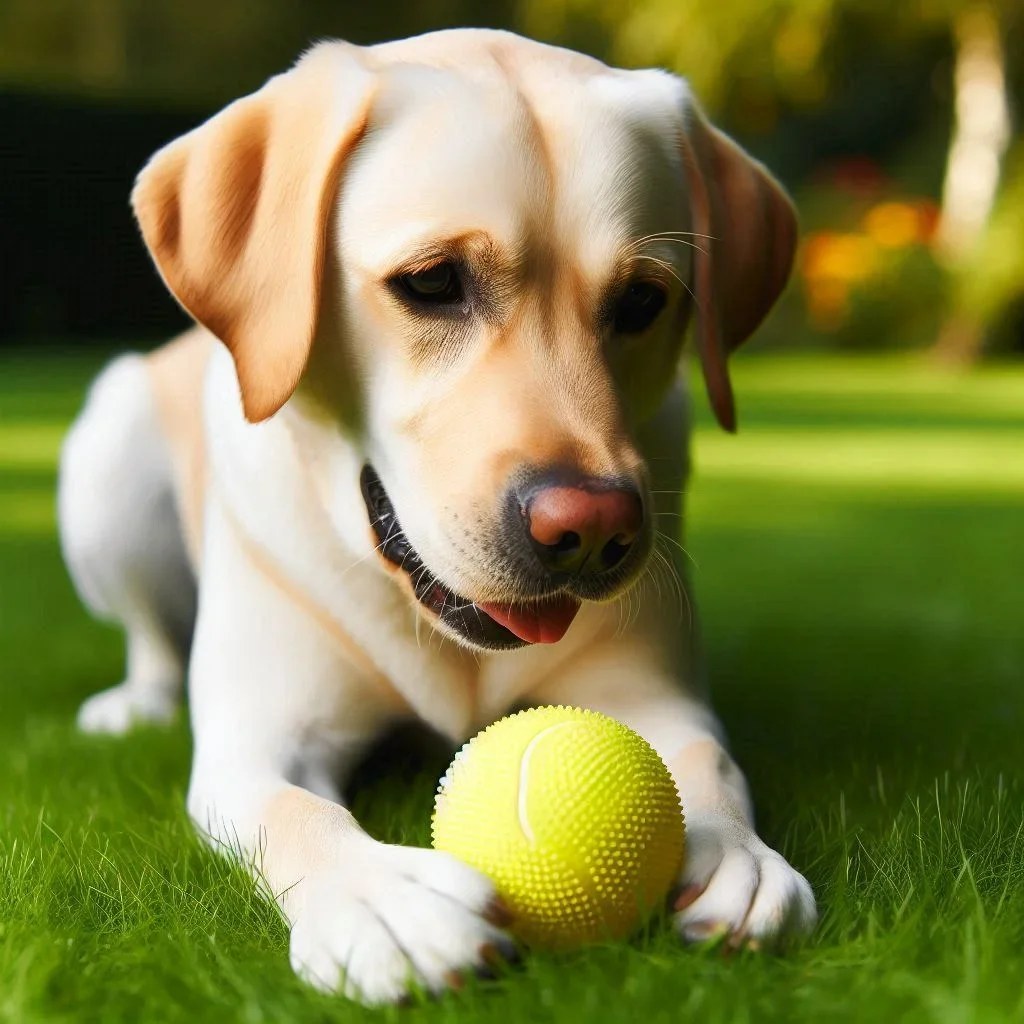
Best Exercises for Energetic Dog Breeds
Are you the proud owner of an energetic dog breed? If so, you know how important it is to keep them physically and mentally stimulated. Energetic dogs require regular exercise to burn off their extra energy, prevent boredom, and maintain overall health. Without adequate physical and mental stimulation, high-energy breeds can become restless, destructive, or even develop behavioral issues. In this blog post, we’ll explore the best exercises for energetic dog breeds to help you keep your furry friend happy, healthy, and tired at the end of the day!
Why Exercise is Crucial for Energetic Dog Breeds
Before diving into the best exercises, it’s important to understand why physical activity is so crucial for energetic dog breeds. Dogs, especially high-energy breeds like Border Collies, Australian Shepherds, and Labrador Retrievers, are bred to be active. They have an innate instinct to run, jump, and play, which are essential for their physical and mental well-being.
Exercise not only helps burn off excess energy but also provides mental stimulation, which is just as important as physical activity. A tired dog is a happy dog, and regular exercise can help prevent unwanted behaviors like chewing, digging, or excessive barking. Additionally, exercise strengthens the bond between you and your dog, creating a sense of trust and companionship.
1. Running and Jogging
Running and jogging are excellent exercises for energetic dog breeds. If your dog enjoys running alongside you, it’s a great way to get some exercise together. However, not all dogs are built for long-distance running, so it’s important to consider your dog’s breed, age, and health before hitting the pavement.
For breeds like Greyhounds, Whippets, and Jack Russell Terriers, short sprints or playtime in an open field can be a great way to burn energy. On the other hand, larger breeds like German Shepherds and Labradors can handle longer runs, but be sure to start slowly and gradually increase the distance to avoid overexertion.
2. Swimming
Swimming is another fantastic exercise for energetic dogs, especially those that love water. It’s a low-impact activity that’s easy on the joints, making it ideal for dogs with arthritis or joint issues. Swimming also provides a full-body workout, improving cardiovascular health and strengthening muscles.
Labradors, Golden Retrievers, and Chesapeake Bay Retrievers are natural swimmers and tend to enjoy the water. Even breeds that aren’t naturally inclined to swim can often learn to love it with proper introduction. If you have access to a pool or a lake, consider incorporating swimming into your dog’s exercise routine.
3. Hiking
Hiking is a great way to challenge your dog physically and mentally. Exploring new trails, smells, and sights provides mental stimulation, while the uneven terrain helps improve agility and strength. Hiking is especially beneficial for breeds like Siberian Huskies, Alaskan Malamutes, and Bernese Mountain Dogs that are built for endurance.
Before you head out, make sure your dog is properly trained to walk on a leash and respond to commands. Bring plenty of water, snacks, and a first-aid kit to ensure your dog stays safe and happy throughout the hike. Avoid hiking during the hottest parts of the day to prevent heat exhaustion, especially in breeds with thick coats.
4. Fetch and Frisbee
Fetch and frisbee are classic exercises that are easy to incorporate into your dog’s routine. They provide cardiovascular exercise and help improve coordination and agility. Breeds like Border Collies, Australian Shepherds, and Cocker Spaniels are known for their love of fetch, but any dog can enjoy a good game of catch.
Use a durable ball or frisbee that’s designed for dogs and can withstand heavy use. Start with short sessions and gradually increase the duration as your dog becomes more conditioned. If you’re playing fetch, consider using a ball launcher to give your dog a more challenging workout.
5. Agility Training
Agility training is a fun and challenging way to exercise your dog. It involves navigating an obstacle course that includes tunnels, jumps, weave poles, and contact obstacles like A-frames and dog walks. Agility training not only provides physical exercise but also mental stimulation, as your dog must focus and follow commands.
Breeds like Shetland Sheepdogs, Papillons, and Border Collies excel in agility training due to their intelligence and athleticism. Even if you don’t have access to a professional agility course, you can set up a simple course in your backyard using items like cardboard boxes, PVC pipes, and cones.
6. Playtime with Other Dogs
Socialization is an important aspect of your dog’s development, and playtime with other dogs is a great way to provide exercise and mental stimulation. Playing with other dogs allows your dog to engage in natural behaviors like chasing, wrestling, and roughhousing, which help burn energy and strengthen social skills.
If your dog enjoys the company of other dogs, consider visiting a local dog park or joining a dog daycare. Socialization is especially important for high-energy breeds like Dobermans, Boxers, and Staffordshire Terriers that can become overly exuberant without proper social interaction.
7. Interactive Puzzle Toys and Scent Games
In addition to physical exercise, mental stimulation is essential for energetic dog breeds. Interactive puzzle toys and scent games provide a way to challenge your dog’s mind and keep them engaged when they can’t be physically active. Puzzle toys are designed to dispense treats as your dog plays with them, requiring problem-solving skills to get the reward.
Scent games are another great way to challenge your dog mentally. Hide treats or toys with a strong scent around the house or yard and encourage your dog to find them. This activity mimics the natural behavior of hunting and provides mental stimulation, which can be just as tiring as physical exercise.
8. Walks and Exploration
While walks may not seem like a vigorous form of exercise, they are a necessary part of your dog’s routine. Dogs need to explore their surroundings, sniff, and experience new sights and smells. Longer, slower walks can provide mental stimulation and help your dog relax, especially after more intense physical activity.
For high-energy breeds like Dalmatians and Weimaraners, consider incorporating sniffing walks into your routine. Allow your dog to lead the way and explore at their own pace, giving them time to take in all the smells and sounds of their environment.
Tips for Exercising Energetic Dog Breeds
- Tailor the Exercise to Your Dog’s Breed and Needs: Different breeds have different energy levels and physical capabilities. Research your dog’s specific needs and tailor their exercise routine accordingly.
- Start Slowly and Build Up: If your dog isn’t used to regular exercise, start with short sessions and gradually increase the intensity and duration to avoid overexertion.
- Keep it Fun: Make exercise a positive experience by incorporating games, treats, and praise. A fun and engaging exercise routine will keep your dog motivated and eager to participate.
- Monitor for Fatigue: Pay attention to your dog’s body language and behavior. If they start to slow down, pant excessively, or show signs of distress, it’s time to take a break.
- End on a Positive Note: Always end your exercise sessions on a positive note while your dog is still having fun. This reinforces the idea that exercise is a positive and enjoyable activity.
- Consider Age and Health: Puppies, senior dogs, and dogs with health issues may require different types of exercise. Always consult with a veterinarian before starting a new exercise routine, especially if your dog has any health concerns.
Conclusion
Exercising an energetic dog breed requires a combination of physical activity and mental stimulation. By incorporating a variety of exercises like running, swimming, hiking, fetch, agility training, and interactive puzzle toys into your dog’s routine, you can help keep them happy, healthy, and well-behaved. Remember to tailor your approach to your dog’s specific needs, keep the sessions fun and engaging, and always monitor their well-being to ensure they get the most out of their workout. With the right exercise routine, you and your energetic dog can enjoy a lifetime of adventure and companionship together!