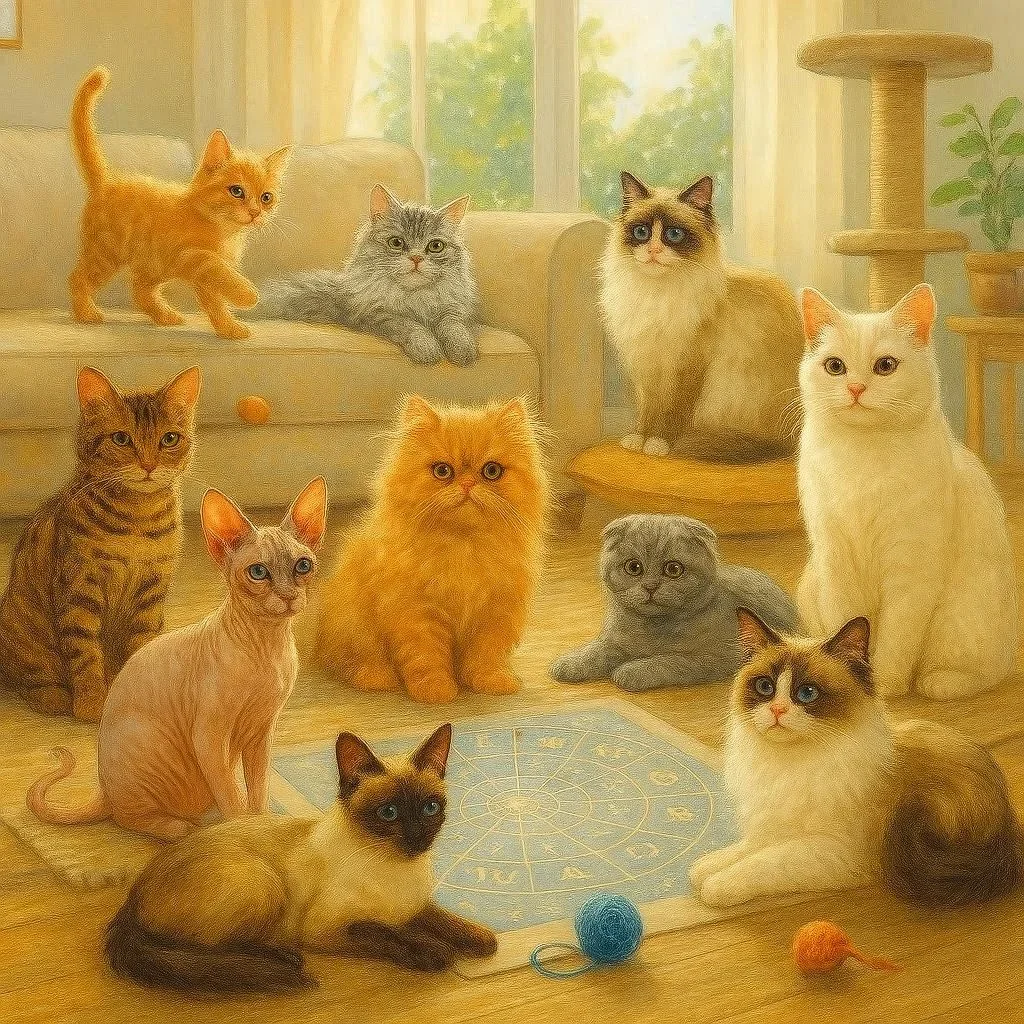
Understanding Long‑Haired Cats: Grooming Routines that Work
Long-haired cats are a joy to behold, with their luscious fur and elegant appearance. However, their beautiful coats require regular grooming to prevent matting, tangling, and skin issues. Proper grooming is not just about maintaining their looks; it’s also essential for their health and well-being. In this blog post, we’ll explore the importance of grooming for long-haired cats and provide detailed, practical routines that work.
Why Grooming is Essential for Long-Haired Cats
Long-haired cats have a unique coat that requires consistent care. Unlike short-haired breeds, their fur can quickly become matted and tangled, leading to discomfort and even health problems. Regular grooming helps:
- Prevent Matting and Tangling: Mats and tangles can cause pain and skin irritation. If left untreated, they can lead to infections.
- Reduce Shedding: Long-haired cats shed heavily, and grooming helps remove loose hair, reducing the amount of hair that ends up on furniture and clothing.
- Distribute Skin Oils: Grooming distributes natural skin oils, keeping the coat healthy and shiny.
- Strengthen Bond: Grooming is a great way to bond with your cat, as it mimics the grooming they would receive from their mother.
- Monitor Health: Regular grooming allows you to check for signs of skin problems, fleas, or other health issues early.
Essential Tools for Grooming Long-Haired Cats
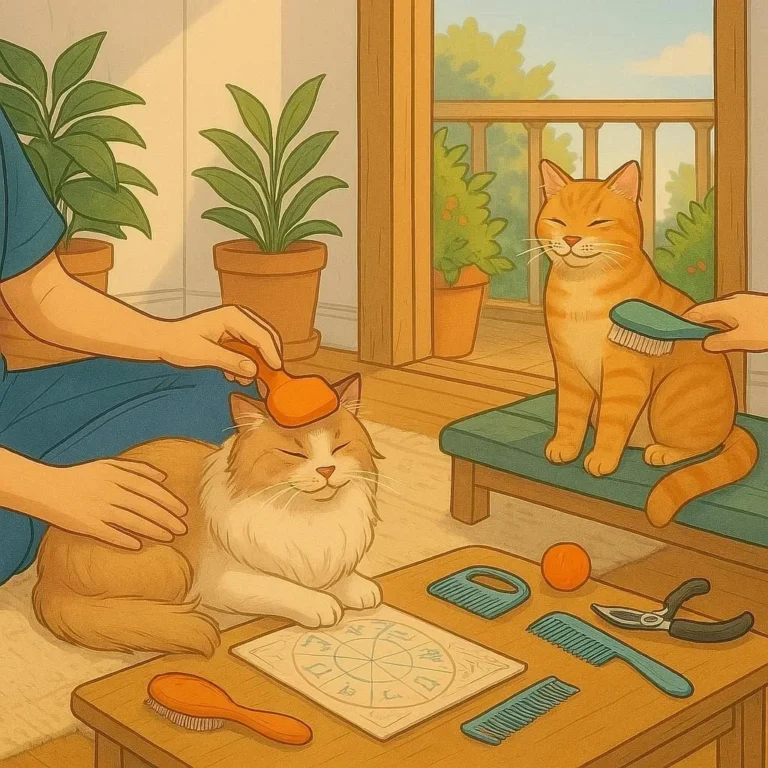
Before diving into the grooming routine, it’s important to have the right tools. Here are the essential items you’ll need:
- Slicker Brush: This brush is designed to remove tangles and mats. It’s especially useful for long-haired cats.
- Pin Brush: A pin brush is gentler on the skin and can be used for daily grooming to remove loose hair.
- Wide-Tooth Comb: A wide-tooth comb is great for detangling, especially around sensitive areas like the armpits and behind the ears.
- Nail Clippers: Long-haired cats may not wear down their nails as much as short-haired cats, so regular nail trimming is important.
- Detangling Spray: A detangling spray can make the grooming process easier and less painful for your cat.
- Shedding Rake: A shedding rake is a must-have for managing shedding during peak seasons.
- Cat Shampoo and Conditioner: Occasionally, your cat may need a bath, so a mild shampoo and conditioner formulated for cats are essential.
Daily Grooming Routine for Long-Haired Cats
To keep your long-haired cat’s coat in top condition, a daily grooming routine is necessary. Here’s a step-by-step guide:
- Start with a Slicker Brush: Begin by gently brushing your cat with a slicker brush to remove any tangles or mats. Be patient and work through knots carefully to avoid causing pain.
- Use a Pin Brush: After using the slicker brush, switch to a pin brush to remove loose hair and smooth the coat.
- Check for Mats: During grooming, inspect your cat’s coat for mats, especially in areas prone to tangling, such as the armpits and behind the ears. Use a wide-tooth comb or your fingers to gently tease out any mats.
- Trim Nails: If your cat is comfortable with nail trimming, you can trim their nails during grooming sessions. Start with small, quick trims to avoid cutting the quick.
- Offer Treats and Praise: Reward your cat with treats and praise to make grooming a positive experience.
Weekly Grooming Tasks
In addition to daily grooming, there are a few tasks you should perform weekly to keep your cat’s coat in optimal condition:
- Deep Brushing Session: Set aside 10-15 minutes for a deeper brushing session, focusing on areas prone to matting.
- Nail Trimming: Trim your cat’s nails weekly, or as needed, to prevent overgrowth.
- Ear Cleaning: Gently clean your cat’s ears with a cotton ball dampened with a feline ear cleaner. Avoid inserting the cotton ball into the ear canal.
- Brush Bath: If your cat doesn’t need a full bath, a brush bath can help remove loose hair and distribute skin oils.
When to Bathe Your Long-Haired Cat
Long-haired cats don’t need frequent baths, as over-bathing can strip their coat of natural oils. However, there are times when a bath is necessary:
- Visible Dirt or Odor: If your cat’s coat is dirty or has a strong odor, it’s time for a bath.
- Mats and Tangles: If mats and tangles are severe and can’t be brushed out, a bath may help loosen them.
- Seasonal Shedding: During shedding season, a bath can help remove excess hair.
- Flea or Tick Infestation: If your cat has fleas or ticks, a medicated shampoo may be necessary.
When bathing your long-haired cat, use a mild, pH-balanced shampoo and conditioner. Avoid using human shampoo, as it can dry out your cat’s skin. Gently massage the shampoo into the coat, starting at the head and working toward the tail. Rinse thoroughly to remove all soap residue, and dry your cat thoroughly to prevent chilling.
Seasonal Grooming Considerations
Long-haired cats have different grooming needs depending on the season. Here’s how to adjust your grooming routine throughout the year:
- Spring and Fall Shedding: During shedding season, increase grooming sessions to daily to manage shedding. Use a shedding rake to remove loose hair.
- Summer: In the summer, your cat’s coat may be more prone to matting due to heat and humidity. Increase grooming sessions and consider a light trim to keep your cat cool.
- Winter: In the winter, your cat’s coat will be at its thickest. Regular grooming is still essential to prevent matting and tangling.
- Outdoor Cats: If your long-haired cat spends time outdoors, they may be more prone to tangles and mats from twigs and debris. Regular grooming is crucial to remove foreign objects from their coat.
When to Seek Professional Help
While regular grooming at home is essential, there may be times when you need to seek professional help:
- Severe Mats and Tangles: If your cat’s coat is severely matted, it may be painful for them to brush out. A professional groomer can safely remove mats and prevent skin irritation.
- Hairballs: If your cat is experiencing frequent hairballs, a professional groomer can help remove excess hair during shedding season.
- Skin Issues: If you notice any skin issues during grooming, such as redness, itching, or sores, consult a veterinarian.
Tips for Successful Grooming
Grooming can be a stressful experience for both you and your cat, especially if they’re not used to it. Here are some tips for successful grooming sessions:
- Start Slow: Begin with short grooming sessions and gradually increase as your cat becomes more comfortable.
- Use Positive Reinforcement: Reward your cat with treats and praise during grooming to make it a positive experience.
- Be Patient: Grooming long-haired cats can be time-consuming, especially when dealing with mats and tangles. Be patient and gentle to avoid causing discomfort.
- Choose the Right Time: Groom your cat when they’re most relaxed, such as after a meal or playtime.
- Watch for Signs of Stress: If your cat shows signs of stress, such as excessive squirming or hissing, stop the grooming session and try again later.
Common Grooming Challenges
Long-haired cats can present unique grooming challenges. Here’s how to address them:
- Mats and Tangles: Mats and tangles are the most common grooming challenge for long-haired cats. Use a slicker brush, wide-tooth comb, or detangling spray to work through knots gently.
- Sensitive Areas: Be extra careful when grooming sensitive areas, such as the armpits, behind the ears, and around the tail.
- Shedding: Long-haired cats shed heavily, especially during shedding season. Regular grooming can help manage shedding and prevent hairballs.
- Avoiding Over-Bathing: As mentioned earlier, over-bathing can strip your cat’s coat of natural oils, leading to dryness and dandruff. Only bathe your cat when necessary, and use a mild shampoo and conditioner.
Maintaining Your Cat’s Coat Between Grooming Sessions
Between grooming sessions, there are a few things you can do to maintain your cat’s coat:
- Inspect for Mats and Tangles: Regularly inspect your cat’s coat for mats and tangles and gently work them out with your fingers or a wide-tooth comb.
- Brush Lightly: Even if you’re short on time, a quick brushing session can help remove loose hair and prevent tangles.
- Provide a Balanced Diet: A balanced diet rich in omega-3 fatty acids can help keep your cat’s coat healthy and shiny.
- Consider Supplements: If your cat’s coat appears dull or brittle, consider adding a coat supplement to their diet.
Grooming and Health Monitoring
Grooming is not just about maintaining your cat’s appearance; it’s also an opportunity to monitor their health. Here’s what to look for during grooming sessions:
- Skin Irritations: Look for redness, sores, or dry patches on your cat’s skin. These could indicate skin infections or allergies.
- Fleas and Ticks: Check for signs of fleas or ticks, such as small black specks (flea dirt) or actual fleas or ticks on the skin.
- Hair Loss: excessive hair loss or thinning could indicate a health issue, such as nutritional deficiencies or hormonal imbalances.
- Lumps and Bumps: During grooming, inspect your cat’s body for any lumps or bumps. Bring any unusual growths to the attention of your veterinarian.
The Benefits of Regular Grooming
Regular grooming offers numerous benefits for both your long-haired cat and you. Here are some of the most significant advantages:
- Improved Health: Regular grooming helps prevent matting, tangling, and skin issues, leading to better overall health.
- Stronger Bond: Grooming is a great way to bond with your cat, as it mimics the grooming they would receive from their mother.
- Reduced Shedding: Regular grooming reduces shedding, meaning less cat hair on furniture and clothing.
- Early Detection of Health Issues: Grooming provides an opportunity to inspect your cat’s skin and coat for signs of health problems.
Myths About Long-Haired Cats and Grooming
There are several misconceptions about grooming long-haired cats. Here’s the truth behind some common myths:
- Myth: Long-haired cats need to be bathed frequently.
Fact: Long-haired cats don’t need to be bathed often. Over-bathing can strip their coat of natural oils, leading to dryness and dandruff. - Myth: You can use human shampoo on cats.
Fact: Human shampoo is too harsh for cats and can dry out their skin. Always use a mild, pH-balanced shampoo formulated for cats. - Myth: Long-haired cats are high maintenance.
Fact: While long-haired cats do require more grooming than short-haired cats, the process is manageable with the right tools and routine. - Myth: Long-haired cats can’t live indoors.
Fact: Long-haired cats can thrive indoors, as long as they receive regular grooming and proper care.
Grooming Long-Haired Cats: A Summary
Grooming is an essential part of caring for long-haired cats. Regular grooming helps keep their coat healthy, prevents matting and tangling, and strengthens the bond between you and your cat. With the right tools and a consistent routine, grooming can become a enjoyable experience for both you and your feline companion.
In conclusion, understanding the grooming needs of long-haired cats is crucial for their overall health and well-being. By following these tips and establishing a regular grooming routine, you can help your long-haired cat live a happy, healthy life with a beautiful, luscious coat.
FAQs
Q: How often should I groom my long-haired cat?
A: Long-haired cats need daily grooming to prevent matting and tangling. Aim for at least 10-15 minutes of grooming per session.
Q: What tools do I need to groom my long-haired cat?
A: Essential grooming tools include a slicker brush, pin brush, wide-tooth comb, detangling spray, nail clippers, shedding rake, and cat shampoo and conditioner.
Q: Do I need to bathe my long-haired cat often?
A: No, long-haired cats don’t need frequent baths. Bathe your cat only when necessary, such as when their coat is dirty or during shedding season.
Q: How do I handle shedding?
A: Regular grooming with a shedding rake can help manage shedding. During shedding season, increase grooming sessions to daily.
Q: How do I check for skin issues during grooming?
A: Inspect your cat’s skin for redness, sores, or dry patches during grooming sessions. Consult a veterinarian if you notice any unusual signs.
By following these guidelines, you can keep your long-haired cat’s coat healthy and beautiful. Remember, grooming is about more than just appearance—it’s a way to show your cat love and care.