New Pet Owner Checklist: Everything You’ll Need
New Pet Owner Checklist: Everything You’ll Need
Welcoming a new pet into your home is an exciting and life-changing experience. However, it also comes with a lot of responsibility. To ensure that you and your new furry friend have a smooth transition, it’s essential to be well-prepared. This comprehensive new pet owner checklist will guide you through everything you’ll need to provide a safe, comfortable, and happy environment for your pet.
Essential Items for Your New Pet
Before bringing your new pet home, you’ll need to have all the necessary supplies ready. Here’s a detailed breakdown of what you’ll need:
1. Food and Water Essentials
- High-Quality Pet Food: Choose a nutrient-rich, age-appropriate food that suits your pet’s species, breed, and dietary needs. Consult with your veterinarian for recommendations.
- Food and Water Bowls: Stainless steel or ceramic bowls are best as they are easy to clean and durable.
- Water Fountain (Optional): Encourages your pet to drink more water, especially for cats.
- Treats: Opt for healthy, low-calorie treats for training and rewarding good behavior.
- Food Storage Container: Keep your pet’s food fresh with an airtight container.
2. Comfort and Bedding
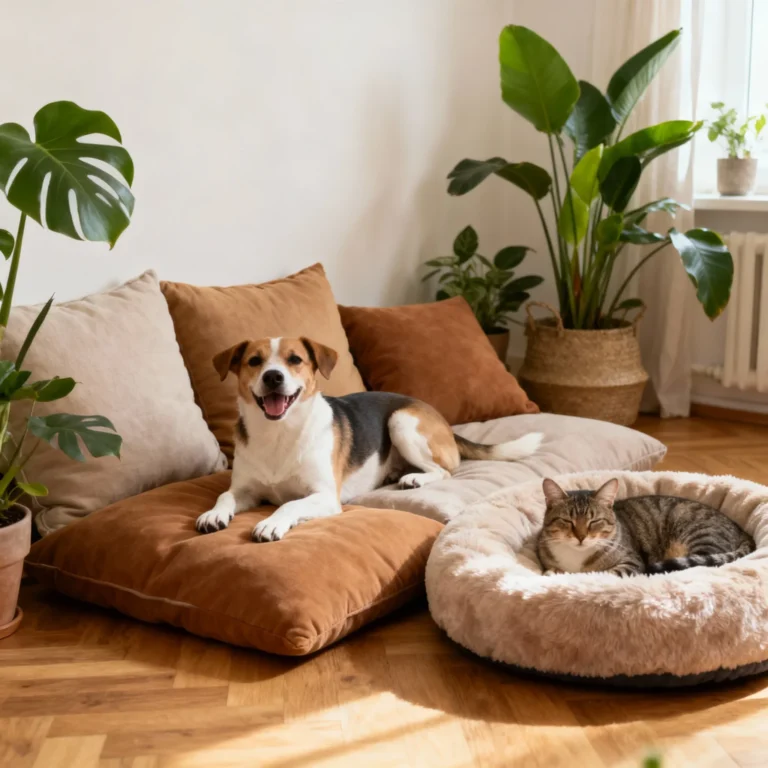
- Pet Bed: Provide a comfortable place for your pet to rest. Choose a bed that’s the right size and material for your pet’s preferences.
- Blankets or Towels: Extra blankets or towels can be used for bedding or cleaning up spills.
3. Litter Box and Cleaning Supplies
- Litter Box: If you have a cat, invest in a high-quality litter box that’s the right size for your pet.
- Litter: Choose a type of litter that your cat finds comfortable and that’s easy to clean.
- Litter Scoop and Bags: For daily clean-up and waste disposal.
- Odor Neutralizer: Helps keep your home smelling fresh.
4. Toys and Enrichment
- Toys: Choose durable, safe toys that match your pet’s preferences and age. For example, chew toys for dogs, and feather wands for cats.
- Interactive Toys: Puzzle toys and treat-dispensing toys can keep your pet mentally stimulated.
- Scratching Post (for Cats): Helps maintain your cat’s nails and saves your furniture.
- Playtime Accessories: Leashes, collars, and harnesses for walks and outdoor adventures.
5. Grooming Supplies
- Brush or Comb: Regular grooming helps with bonding and keeps your pet’s coat healthy.
- Shampoo and Conditioner: Choose a pet-specific shampoo that suits your pet’s skin type.
- Nail Clippers: For trimming your pet’s nails.
- Dental Care: Toothbrush and toothpaste designed for pets.
- Ear Cleaner: For cleaning your pet’s ears.
6. Health and Safety
- First Aid Kit: A basic first aid kit with supplies like bandages, antiseptic wipes, and tweezers.
- ID Tags: Ensure your pet has an identification tag with your contact information.
- Microchip: Consider microchipping your pet for added security.
- Pet-Proofing Supplies: Secure toxic substances, electrical cords, and fragile items out of reach.
Preparing Your Home for Your New Pet
Once you have all the essential supplies, it’s time to prepare your home for your new furry friend. Here are some tips to pet-proof your home and create a safe environment:
1. Secure Toxic Substances
Keep all chemicals, cleaning supplies, medications, and toxic substances out of reach. This includes things like antifreeze, chocolate, and certain plants that can be harmful to pets.
2. Electrical Safety
Unplug any unused electrical outlets and keep cords out of reach to prevent electrical accidents.
3. Block Off Hazardous Areas
Use baby gates or barriers to block off areas you don’t want your pet to access, such as certain rooms or the kitchen.
4. Set Up a Safe Space
Create a quiet, comfortable area where your pet can retreat when they feel overwhelmed or need some alone time.
5. Introduce New Items Gradually
Introduce new items and spaces gradually to prevent overwhelming your pet. This will help them adjust to their new environment more smoothly.
Veterinary Care and Health Checks
Your pet’s health is one of the most important aspects of pet ownership. Here’s what you need to do:
1. Schedule the First Vet Visit
Book an appointment with a veterinarian within the first few days of bringing your pet home. The vet will check your pet’s overall health, administer any necessary vaccinations, and provide guidance on care and feeding.
2. Vaccinations and Preventative Care
Make sure your pet is up-to-date on all necessary vaccinations. Discuss parasite prevention (e.g., flea, tick, and heartworm prevention) with your vet.
3. Spaying/Neutering
If your pet isn’t already spayed or neutered, schedule this procedure as soon as possible. It can help prevent unwanted litters and reduce certain health and behavioral issues.
4. Microchip Your Pet
Microchipping your pet is a simple procedure that can help ensure your pet is returned if they ever get lost.
5. Monitor Health
Keep an eye on your pet’s behavior, appetite, and physical condition. If you notice any signs of illness or unusual behavior, contact your vet immediately.
Ongoing Needs and Responsibilities
Once the initial setup is done, there are ongoing responsibilities to ensure your pet stays happy and healthy. Here are some key areas to focus on:
1. Diet and Nutrition
- Feed a Balanced Diet: Stick to a high-quality diet that meets your pet’s nutritional needs.
- Avoid Overfeeding: Monitor your pet’s weight to prevent obesity.
- Fresh Water: Always ensure your pet has access to clean, fresh water.
2. Exercise and Playtime
- Daily Walks: For dogs, regular walks are essential for physical and mental health. The duration will depend on your dog’s breed and energy level.
- Playtime: Interactive play helps keep your pet active and stimulated.
- Mental Stimulation: Provide puzzle toys and other enrichment activities to keep your pet’s mind engaged.
3. Grooming
Regular grooming is important for your pet’s comfort and health. Brush your pet regularly to prevent matting, check for skin issues, and keep their coat clean.
4. Veterinary Visits
- Regular Check-Ups: Schedule annual check-ups to monitor your pet’s health and catch any potential issues early.
- Stay on Top of Preventative Care: Keep your pet protected from parasites and diseases with regular medications and vaccinations.
5. Training and Socialization
- Basic Training: Teach your pet basic commands and good behavior.
- Socialization: Introduce your pet to new people, places, and experiences to help them develop good social skills.
Tips for New Pet Owners
- Be Patient: Adjusting to a new home can take time for your pet. Be patient and give them the space they need.
- Spend Quality Time: Spend plenty of time with your pet to build a strong bond.
- Stay Informed: Continuously educate yourself on pet care best practices and stay up-to-date on the latest health advice.
- Ask for Help: Don’t hesitate to reach out to your vet, a pet trainer, or other pet owners for advice and support.
Conclusion
Welcoming a new pet into your life is a rewarding and enriching experience, but it also requires careful planning and preparation. By following this new pet owner checklist, you’ll be well-equipped to provide your furry friend with everything they need to thrive. Remember, your pet will rely on you for their care and well-being, so it’s important to stay committed and informed every step of the way.
With the right supplies, a safe and comfortable home, and ongoing care, you and your new pet can enjoy a happy and fulfilling life together. Happy pet parenting!
FAQs
Q: What is the most important thing to consider when bringing a new pet home?
A: Ensuring your home is safe and that all necessary supplies are ready before your pet arrives.
Q: How often should I take my dog for a walk?
A: The frequency depends on your dog’s breed and energy level, but most dogs need at least one walk a day.
Q: Can I feed my cat dog food?
A: No, cats have different nutritional needs than dogs and should only be fed cat-specific food.
Q: When should I schedule my first vet visit?
A: Within the first few days of bringing your pet home.
Q: How much time should I spend with my new pet?
A: As much as possible, especially in the early days, to help them adjust to their new environment.
Q: Is it expensive to own a pet?
A: The cost can vary depending on the type and size of your pet, but with proper planning and budgeting, it’s manageable.
Q: How long does it take for a new pet to adjust to a new home?
A: It can take anywhere from a few days to several weeks, depending on the pet and their personality.
By following this checklist and staying dedicated to your pet’s care, you’ll set both yourself and your new companion up for success. Congratulations on your new addition—enjoy the journey of pet parenthood!