Creating Tiny Playgrounds for Small Pets
Creating Tiny Playgrounds for Small Pets
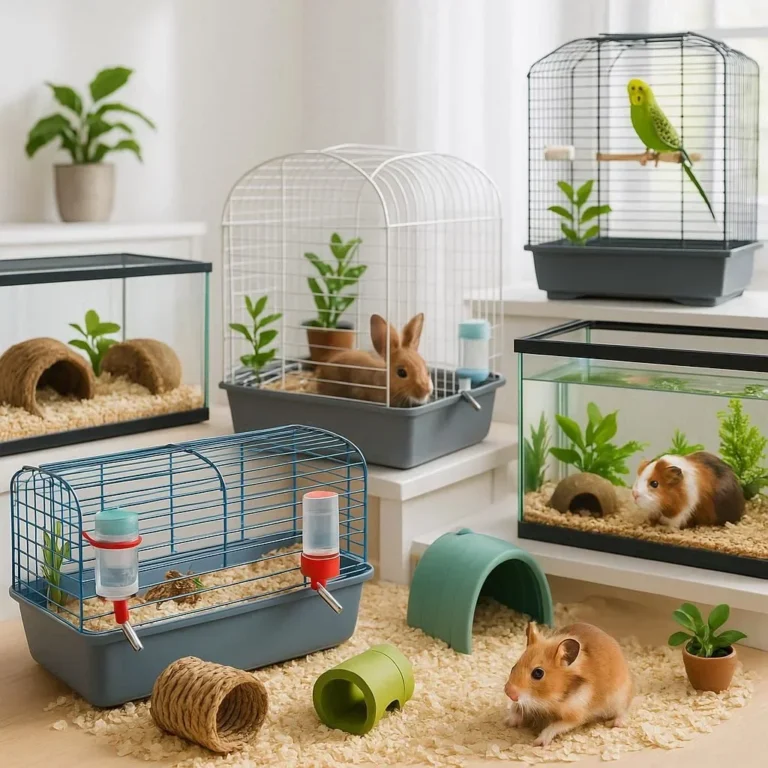
Are you looking for ways to keep your small pets entertained, active, and happy? Creating a tiny playground for your furry friends can be a great way to ensure they stay healthy and engaged. Whether you have a cat, rabbit, guinea pig, or even a hamster, a well-designed mini playground can provide them with the exercise and stimulation they need. In this article, we’ll explore how to create a tiny playground for small pets, including tips on design, safety, and the best toys to include.
Why Small Pets Need a Playground
Small pets, especially those that are typically kept indoors, need regular exercise and mental stimulation to stay healthy. A tiny playground can provide them with a dedicated space to play, explore, and exercise, which can help prevent boredom, obesity, and stress. Even small animals like hamsters and gerbils need room to run and play, and a playground can be a great way to ensure they get the exercise they need.
In addition to physical exercise, a playground can also provide mental stimulation. Small pets are naturally curious, and a playground with various toys, tunnels, and obstacles can keep them entertained and engaged. This can help reduce destructive behavior and prevent them from getting bored or stressed.
Choosing the Right Location
When creating a tiny playground for your small pets, the first thing to consider is the location. The playground should be placed in a safe and secure area where your pets can play without being disturbed or harmed. Here are a few factors to consider when choosing a location:
- Safety: Ensure the area is free from any hazards, such as electrical cords, toxic substances, or sharp objects. Small pets can easily get injured if they come into contact with these items.
- Ventilation: Good ventilation is essential to keep your pets healthy. Avoid placing the playground in a stuffy or poorly ventilated area, as this can lead to respiratory problems.
- Visibility: Choose a location where you can easily monitor your pets while they play. This will allow you to intervene if necessary and ensure their safety.
- Space: Even though the playground is tiny, it should still provide enough space for your pets to move around comfortably. Consider the size of your pets and the toys you plan to include when selecting a location.
Essential Elements of a Tiny Playground
When designing a tiny playground for your small pets, there are several essential elements to include to make it fun and engaging. Here are some of the key components to consider:
- Space: As mentioned earlier, the playground should provide enough space for your pets to move around comfortably. For smaller pets like hamsters and gerbils, a space of around 2×2 feet should be sufficient. For larger small pets like rabbits or guinea pigs, you may need a slightly larger area.
- Toys and Accessories: Toys are an essential part of any playground. For small pets, you can include toys like tunnels, bridges, balls, chew toys, and climbing structures. These toys can help keep your pets entertained and provide them with the exercise they need.
- Surfaces: The surface of the playground should be comfortable and safe for your pets to play on. For smaller pets, a soft, padded surface like a mat or carpet can work well. For larger pets, you may want to consider a more durable surface, such as wood or tile.
- Hideaways and Hiding Places: Small pets often feel more secure when they have places to hide and feel safe. Including tunnels, boxes, or other hiding places can make the playground more appealing and provide your pets with a sense of security.
- Climbing Structures: Climbing structures, such as small ladders or ramps, can be a great addition to a tiny playground. These structures can provide your pets with exercise and help them develop their motor skills.
- Sensory Stimulation: Small pets have a keen sense of smell and enjoy exploring different textures, sounds, and smells. Including items like hay, grass, or even a small water bowl can provide them with sensory stimulation and keep them interested in the playground.
DIY vs. Store-Bought Playgrounds
When it comes to creating a tiny playground for your small pets, you have two main options: DIY or store-bought. Both options have their pros and cons, and the best choice for you will depend on your budget, the amount of time you have, and the specific needs of your pets.
DIY Playgrounds:
Creating a DIY playground can be a fun and cost-effective way to provide your pets with a space to play. If you’re handy with tools and have some creativity, you can design a playground that meets your pets’ specific needs. Here are a few tips for creating a DIY playground:
- Use Recycled Materials: Recycled materials like cardboard boxes, PVC pipes, and fabric can be used to create tunnels, hideaways, and climbing structures. These materials are inexpensive and easy to work with.
- Keep it Simple: Don’t feel like you need to create a complicated playground. Even a simple setup with a few toys and hiding places can keep your pets entertained.
- Safety First: When building a DIY playground, always prioritize your pets’ safety. Avoid using materials that could be harmful to your pets, such as sharp objects or toxic substances.
- Customization: One of the biggest advantages of a DIY playground is the ability to customize it to your pets’ preferences. If your pets prefer a particular type of toy or structure, you can include it in the design.
Store-Bought Playgrounds:
If you’re short on time or prefer a more convenient option, you can purchase a pre-made playground for your small pets. There are a variety of options available, ranging from simple playpens to elaborate play systems. Here are a few things to consider when choosing a store-bought playground:
- Size: Make sure the playground is the right size for your pets. It should provide enough space for them to move around comfortably without being too large or overwhelming.
- Material: Consider the material the playground is made from. Look for durable, non-toxic materials that are safe for your pets.
- Features: Choose a playground that includes a variety of features, such as tunnels, climbing structures, and hideaways, to keep your pets entertained.
- Price: Store-bought playgrounds can range in price, so set a budget and look for options that fit within it.
Safety Tips for Small Pet Playgrounds
While a tiny playground can be a great way to keep your small pets entertained, it’s important to prioritize their safety. Here are a few safety tips to keep in mind:
- Supervise Playtime: Always supervise your pets when they’re playing in their playground. This will allow you to intervene if necessary and ensure their safety.
- Avoid Hazards: Make sure the playground is free from any hazards, such as sharp objects, electrical cords, or toxic substances.
- Secure the Area: Ensure the playground is secure and won’t tip over or collapse while your pets are playing.
- Clean Regularly: Keep the playground clean and free from dirt, dust, and bacteria. Regular cleaning can help prevent health problems and keep your pets healthy.
- Rotate Toys: To keep your pets interested in the playground, rotate the toys regularly. This will provide them with new things to explore and prevent boredom.
Maintaining the Playground
To ensure your small pets continue to enjoy their playground, it’s important to maintain it regularly. Here are a few tips for keeping the playground clean and safe:
- Clean Frequently: Clean the playground at least once a week, or more often if necessary. Remove any dirt, dust, or debris that may have accumulated.
- Disinfect Surfaces: Use a pet-safe disinfectant to clean surfaces and toys. This will help prevent the spread of germs and keep your pets healthy.
- Replace Worn-Out Toys: If any toys or structures become worn out or damaged, replace them immediately. Broken toys can pose a hazard to your pets.
- Check for Damage: Regularly inspect the playground for any signs of damage or wear and tear. Make any necessary repairs to ensure the playground remains safe and secure.
Conclusion
Creating a tiny playground for your small pets can be a fun and rewarding project that provides them with the exercise and stimulation they need. Whether you choose to build a DIY playground or purchase a pre-made one, the most important thing is to prioritize your pets’ safety and well-being. With a little creativity and some basic materials, you can create a playground that your small pets will love and enjoy for hours on end.
By following the tips and guidelines outlined in this article, you can create a tiny playground that meets your pets’ needs and helps them stay happy and healthy. So why not get started today and give your small pets the gift of a fun and exciting playground to call their own?