Signs Your Small Pet is Happy and Healthy
As a pet owner, there’s nothing quite as heartwarming as seeing your small pet thriving. Whether you have a furry companion like a hamster, gerbil, rabbit, or even a reptile like a bearded dragon, ensuring their happiness and health is your top priority. But how can you tell if your small pet is truly happy and healthy? Let’s dive into the key signs to look out for, as well as some tips to keep your little friend in top shape.
Physical Signs of Health
1. Shiny, Healthy Coat
For furry small pets, a shiny and well-maintained coat is a great indicator of overall health. If your pet’s fur is dull, matted, or patchy, it could be a sign of poor diet, stress, or an underlying health issue. Regular grooming sessions can help you spot any irregularities early on. Even for small pets without fur, like reptiles, a clean and vibrant appearance is crucial. A healthy bearded dragon, for example, should have a bright, even coloration without any signs of unusual shedding or dullness.
2. Bright, Clear Eyes
Healthy eyes are another important sign of wellness. If your small pet has cloudy, red, or watery eyes, it might indicate an infection or allergies. In some cases, it could be a sign of respiratory issues, which are common in small animals like hamsters and gerbils. Always keep an eye on your pet’s eye health and consult a vet if you notice any unusual changes.
3. Active and Energetic Behavior
Small pets are naturally energetic, and if your pet is lethargic or sluggish, it’s often a red flag. While some animals are naturally more active at certain times of the day, a sudden change in energy levels could indicate illness or stress. For example, a rabbit that usually hops around enthusiastically but is now spending most of its time huddled in a corner might need a trip to the vet.
4. Healthy Appetite
A good appetite is a great sign that your small pet is happy and healthy. However, it’s important to note that overeating can be a problem too. Ensure your pet is eating a balanced diet appropriate for their species, and monitor their food intake to avoid obesity. For example, guinea pigs love fresh vegetables, but giving them too many sugary treats can lead to weight gain and other health issues.
Behavioral Signs of Happiness
1. Curiosity and Exploration
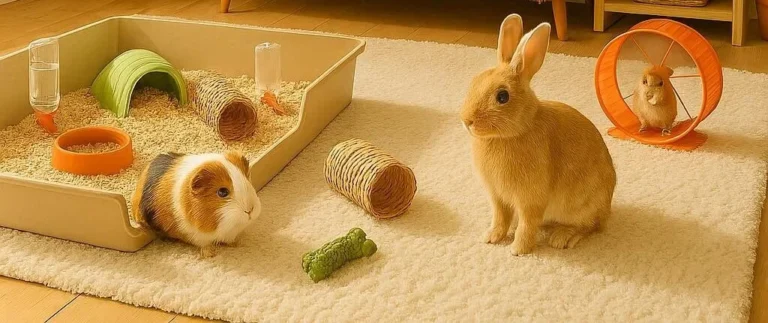
Happy pets are curious and love to explore their surroundings. If your small pet is actively investigating its environment, climbing, digging, or interacting with toys, it’s a good sign that they’re happy and mentally stimulated. For example, a hamster that spends hours on its exercise wheel or tunneling through bedding is likely content and engaged.
2. Social Interaction
While many small pets are solitary animals, some, like rabbits and guinea pigs, are social and thrive on interaction. If your pet enjoys spending time with you or with other pets, it’s a sign of happiness. For instance, a guinea pig that comes to greet you at the cage or nuzzles your hand is likely feeling secure and happy in its environment.
3. Playfulness
Play is a natural behavior for many small pets and is a strong indicator of happiness. Whether it’s chasing a ball, climbing on toys, or simply frolicking in their enclosure, playful behavior shows that your pet is in good spirits. If your pet suddenly becomes less playful, it could be a sign of stress or illness.
4. Calm Demeanor
While playfulness is a good sign, so is a calm and relaxed demeanor. A happy pet should feel comfortable in its environment and not exhibit excessive anxiety or fear. If your pet seems consistently stressed or nervous, it could be a sign of an underlying issue, such as improper habitat conditions or even bullying from other pets.
Environmental Signs of Health
1. Clean Living Space
A clean and well-maintained living space is crucial for your small pet’s health. A happy pet will keep its area tidy, but it’s up to you to ensure their habitat is clean and free from disease. Regularly clean your pet’s cage or enclosure, removing soiled bedding, uneaten food, and waste. A clean environment not only keeps your pet healthy but also prevents the spread of illness.
2. Appropriate Temperature
Many small pets, especially reptiles, require a specific temperature range to stay healthy. For example, bearded dragons need a basking spot of around 95-100°F and a cooler area around 75-85°F. If your pet’s environment is too hot or too cold, it can lead to stress and health issues. Always double-check the temperature requirements for your specific pet and invest in a reliable thermometer.
3. Adequate Hiding Places
Small pets often feel secure when they have places to hide and feel safe. Whether it’s a wooden hut, a cardboard box, or a plant, providing adequate hiding spots can reduce stress and make your pet feel more at ease. A happy pet will use these hiding places as needed but won’t spend excessive time hiding, which could be a sign of fear or anxiety.
Tips for Promoting Happiness and Health
1. Provide a Balanced Diet
Feeding your small pet a balanced diet tailored to their specific needs is essential for their health and happiness. Research the dietary requirements of your pet and avoid giving them foods that are harmful or unhealthy. For example, while hamsters love seeds and grains, they should also have a variety of vegetables and limited amounts of fresh fruits to ensure they’re getting all the nutrients they need.
2. Encourage Physical Activity
Exercise is crucial for maintaining your small pet’s physical and mental health. Provide toys and accessories that encourage movement, such as exercise wheels, tunnels, and climbing structures. Interactive toys can also keep your pet entertained and stimulated, reducing the risk of boredom and behavioral problems.
3. Create a Stimulating Environment
Bored pets can become stressed and unhealthy, so it’s important to create a stimulating environment that keeps them engaged. Rotate toys regularly, add new objects to explore, and even rearrange the layout of their enclosure to keep things interesting. For example, adding a new log or branch to a bearded dragon’s habitat can provide hours of exploration and fun.
4. Spend Quality Time Together
Spending quality time with your small pet helps build trust and strengthens your bond. Whether it’s handling them gently, letting them explore outside their enclosure under supervision, or simply sitting with them, these interactions can make your pet feel loved and secure. Just remember to handle your pet carefully and only for short periods to avoid causing stress.
Conclusion
Ensuring your small pet is happy and healthy requires attention to their physical well-being, behavior, and environment. By monitoring these key signs and taking proactive steps to create a nurturing and stimulating home, you can help your small pet live a happy, healthy life. Remember, every pet is unique, so it’s important to tailor your care to their individual needs and preferences. With the right approach, your small pet will thrive and bring joy and companionship into your life for years to come.