Signs of Illness in Pet Birds and How to Respond
Have you noticed your feathered friend acting unusually lately? Birds, unlike mammals, have unique physiological responses to illness, often masking their symptoms until they are severely unwell. Recognizing the early signs of illness in pet birds is crucial for providing timely care and ensuring their health. In this comprehensive guide, we’ll explore the common signs of illness in pet birds and provide actionable steps on how to respond effectively.
Understanding Your Bird’s Behavior
Birds are naturally active and vocal creatures. Any deviation from their normal behavior could indicate underlying health issues. Here are some key behavioral changes to watch out for:
1. Lethargy
A healthy bird is usually full of energy, flitting around its cage, interacting with toys, and engaging with its environment. If your bird seems unusually quiet, still, or disinterested in its surroundings, it could be a sign of illness.
2. Loss of Appetite
Birds have high metabolisms and typically eat throughout the day. If you notice your bird avoiding its food or showing a significant decrease in appetite, it’s a cause for concern. Some birds may even regurgitate their food, which could be a sign of stress or illness.
3. Changes in Droppings
Bird droppings are a key indicator of their health. Normal droppings are typically dark green or black with a white urate component. If you notice changes in color, consistency, or frequency, it could indicate a problem. For example, yellow or watery droppings may suggest a bacterial or viral infection.
4. Fluffing or Preening Excessively
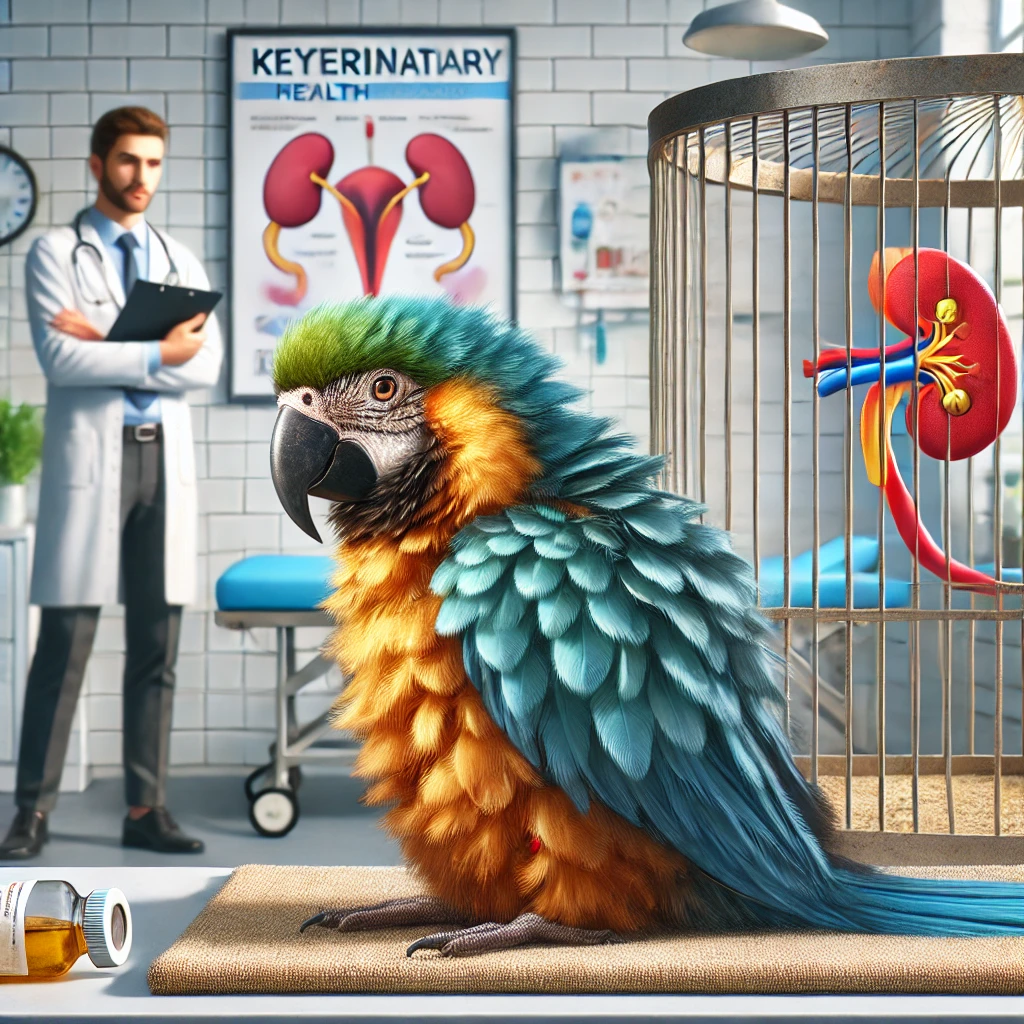
While preening is a normal part of a bird’s grooming routine, excessive fluffing or preening could be a sign of discomfort or stress. Sick birds often puff out their feathers to retain body heat, making them appear larger than usual.
5. Vocalization Changes
If your bird suddenly becomes unusually quiet or starts making strange, unfamiliar sounds, it could be a sign of distress. Some birds may also chirp or squawk more frequently when they are in pain or discomfort.
Physical Signs of Illness
In addition to behavioral changes, there are several physical signs of illness in pet birds that you should be aware of. These signs often manifest quickly and require immediate attention.
1. Respiratory Issues
Birds have a unique respiratory system, and any signs of breathing difficulties should be taken seriously. Look out for open-mouth breathing, labored breathing, or excessive tail-bobbing (the up-and-down movement of the tail feathers). These could indicate respiratory infections or other serious conditions.
2. Masses or Lumps
Feel your bird gently for any unusual masses, lumps, or swelling, especially around the eyes, beak, or under the wings. These could be signs of tumors, abscesses, or cysts.
3. Injured or Discolored Feathers
Birds take great pride in their feathers, and any damage or discoloration could indicate poor health. Look for ruffled, missing, or stained feathers, which could be signs of parasites, infections, or nutritional deficiencies.
4. Eyes and Beak
Check your bird’s eyes for redness, discharge, or swelling. A healthy bird’s eyes should be bright and clear. Also, inspect the beak for cracks, softness, or discoloration, as these could be signs of beak infections or metabolic disorders.
5. Foot and Leg Issues
Examine your bird’s feet and legs for any signs of swelling, redness, or lesions. Foot infections or pododermatitis can be painful for birds and require prompt veterinary care.
Other Signs of Illness
1. Weight Loss
Birds naturally have a high metabolic rate, so weight loss can occur rapidly. If your bird is losing weight despite a healthy appetite, it could be a sign of malabsorption or other systemic issues.
2. Fecal or Urine Changes
Monitor your bird’s droppings for changes in color, consistency, or volume. Greenish droppings may suggest liver issues, while black droppings could indicate bleeding in the digestive tract. An increase in uric acid crystals (which appear as a white, gritty substance in the droppings) could indicate kidney disease.
3. Nesting Behavior
Some birds, especially females, may exhibit nesting behavior when they are ill or stressed, such as pulling feathers or building a nest in the cage.
4. Feather Plucking
Feather plucking or chewing can be a sign of stress, pain, or certain medical conditions. If your bird is pulling out its own feathers, it’s essential to identify the underlying cause.
How to Respond to a Sick Bird
If you notice any of these signs of illness in your pet bird, it’s important to act quickly. Birds can deteriorate rapidly, so prompt action is essential for their recovery.
1. Provide a Safe and Stress-Free Environment
Stress can exacerbate your bird’s condition, so creating a calm environment is crucial. Ensure your bird’s cage is in a quiet area of the house, away from drafts and predators. Adding a trusted companion or familiar toys can help reduce stress.
2. Maintain Proper Hygiene
Clean your bird’s cage thoroughly, removing soiled bedding, uneaten food, and droppings. Wash food and water dishes daily to prevent bacterial growth. Disinfect all surfaces with a pet-safe cleaning product.
3. Offer a Nutritious Diet
Ensure your bird is receiving a balanced and nutritious diet. Provide fresh fruits, vegetables, and whole grains in addition to high-quality commercial pellets. Avoid offering foods high in fat, salt, or sugar.
4. Monitor for Dehydration
Sick birds often become dehydrated quickly. Encourage water intake by offering fresh, clean water at all times. You can also provide a water-rich treat like watermelon or cucumber.
5. Provide a Heat Source
Many sick birds benefit from a warm environment. You can place a low-wattage heat lamp or heat mat near the cage, ensuring the temperature stays between 85°F and 90°F (29°C to 32°C). Always use a thermometer to monitor the temperature and prevent overheating.
6. Bird-Proof the Environment
Ensure your bird’s cage is free from hazards, such as sharp objects or loose wires. Remove any toys that could cause injury if your bird becomes weak or disoriented.
7. Administer First Aid When Necessary
If your bird has an injury, such as a cut or broken feather, gently clean the area with a mild antiseptic solution. Avoid using harsh chemicals or bandages, as they can harm your bird.
8. Consult a Veterinarian
Birds are unique creatures with specific medical needs. Always consult an avian-savvy veterinarian if you suspect your bird is ill. Annual check-ups are also essential for maintaining your bird’s health and catching potential issues early.
When to See a Veterinarian
It’s crucial to know when to seek professional veterinary care for your pet bird. If you notice any of the following, contact your vet immediately:
- Severe respiratory distress
- Blood in droppings or vomit
- Swelling or discharge around the eyes or beak
- Significant weight loss or loss of appetite
- Lethargy or inability to perch
- Open wounds or injuries
- Sudden changes in behavior or appearance
Common Illnesses in Pet Birds
Understanding some of the most common illnesses in pet birds can help you recognize the signs early and provide appropriate care. Here are a few conditions to be aware of:
1. Respiratory Infections
Respiratory infections are among the most common health issues in pet birds. They can be caused by bacteria, viruses, or fungi and often result from poor ventilation, overcrowding, or stress.
Symptoms:
- Labored breathing
- Wheezing or coughing
- Fluffing feathers
- Discharge from the beak or eyes
Treatment:
- Antibiotics (bacterial infections)
- Antifungal medications
- Supportive care (warmth, hydration)
- Improved ventilation
2. Parasites
Parasites, such as mites, lice, and worms, can cause significant discomfort and health problems for your bird.
Symptoms:
- Excessive scratching or feather plucking
- Restlessness or irritability
- Pale droppings or weight loss
-Visible parasites on the feathers or skin
Treatment:
- Prescription medications from a vet
- Insecticides for the cage and environment
- Improving hygiene and diet
3. Avian Chlamydiosis (Psittacosis)
Psittacosis is a contagious bacterial infection that can be transmitted between birds and even to humans.
Symptoms:
- Fluffing feathers
- Loss of appetite
- Discharge from the eyes or beak
- Labored breathing
Treatment:
- Antibiotics
- Supportive care
- Quarantine to prevent spread
- Improved hygiene
4. Nutritional Deficiencies
A diet lacking essential nutrients can lead to a range of health problems, including feather plucking, skin issues, and weakened immunity.
Symptoms:
- Poor feather condition
- Skin lesions or dryness
- Weakness or lethargy
- Reproductive issues
Treatment:
- Adjusting to a balanced, nutrient-rich diet
- Supplements as recommended by a vet
- Regular check-ups
Tips for Keeping Your Bird Healthy
Preventing illness is always better than treating it. By following these simple tips, you can help keep your feathered friend healthy and thriving:
1. Provide a Balanced Diet
A varied and balanced diet is essential for your bird’s overall health. Offer a mix of high-quality pellets, fresh fruits, vegetables, and whole grains. Avoid giving your bird seeds as a main staple, as they are high in fat and low in essential nutrients.
2. Encourage Exercise
Birds need regular exercise to stay healthy. Provide plenty of toys that encourage movement, such as ladders, swings, and climbing ropes. Allowing your bird to fly outside of its cage under supervision can also help maintain its physical and mental health.
3. Ensure Adequate Hydration
Provide fresh, clean water at all times. Change the water daily to prevent bacterial growth, and clean the water dish regularly. You can also encourage water intake by offering wet foods like leafy greens or water-rich fruits.
4. Maintain a Clean Environment
Clean your bird’s cage regularly to prevent the buildup of bacteria, mold, and parasites. Remove soiled bedding daily, scrub all surfaces with a pet-safe cleaner, and rinse thoroughly before replacing bedding.
5. Provide Mental Stimulation
Birds are intelligent creatures that need mental stimulation to stay happy and healthy. Rotate toys regularly, provide interactive activities, and spend quality time with your bird to keep it engaged and stimulated.
6. Protect from Environmental Hazards
Keep your bird away from toxic substances, such as cleaning chemicals, pesticides, and fumes from non-stick pans. Ensure its environment is safe and free from hazards, such as sharp objects or electrical wires.
7. Stay Informed
Educate yourself about common health issues in pet birds, as well as the specific needs of your bird’s species. Understanding their behavior, diet, and health requirements can help you provide better care and recognize potential problems early.
Conclusion
Birds are unique and fascinating pets, but their health requires special attention. By learning to recognize the signs of illness and taking prompt action, you can help ensure your feathered friend leads a long, happy, and healthy life. Always remember to consult an avian-savvy veterinarian if you suspect your bird is unwell, as early intervention is key to successful treatment.
Remember, your bird’s health is in your hands. With vigilance, care, and a proactive approach, you can help your pet bird thrive for years to come.