Daily Care Tips for Raising a Happy and Healthy Dog
Welcoming a dog into your family can be one of the most rewarding decisions you’ll ever make. Dogs bring joy, companionship, and unconditional love into our lives. However, raising a happy and healthy dog requires more than just love—it demands a commitment to daily care. Providing the right environment, diet, exercise, and attention ensures your furry friend leads a fulfilling life. In this guide, we’ll share essential daily care tips to help you raise a happy and healthy dog.
1. Provide a Nutritious Diet
A well-balanced diet is the cornerstone of your dog’s health. Feeding your dog high-quality dog food tailored to their life stage (puppy, adult, or senior), breed, and health conditions is crucial. Here are some tips for feeding your dog:
- Choose High-Quality Dog Food: Opt for dog food made with whole ingredients like chicken, fish, or beef as the first ingredient. Avoid fillers and by-products that provide little nutritional value.
- Avoid Overfeeding: Obesity is a common health issue in dogs, so monitor portion sizes and avoid giving too many treats.
- Limit Table Scraps: Human food can be harmful to dogs. Avoid giving them chocolate, grapes, or other toxic foods.
- Keep Them Hydrated: Ensure your dog always has access to fresh, clean water.
2. Exercise Daily
Dogs need regular exercise to stay physically and mentally healthy. Exercise helps maintain a healthy weight, improves circulation, and strengthens the bond between you and your dog. Here are some tips for exercising your dog:
- Daily Walks: Take your dog for at least one 30-minute walk each day. Puppies and high-energy breeds may need more frequent or longer walks.
- Playtime: Engage in play activities like fetch, tug-of-war, or hide-and-seek. Playtime not only provides physical exercise but also mental stimulation.
- Mental Stimulation: Dogs get bored too! Provide puzzle toys filled with treats to keep them mentally active.
- Adapt to Your Dog’s Needs: Different breeds and ages require different levels of exercise. For example, older dogs may need shorter, gentler walks, while younger dogs may require more vigorous activity.
3. Groom Regularly
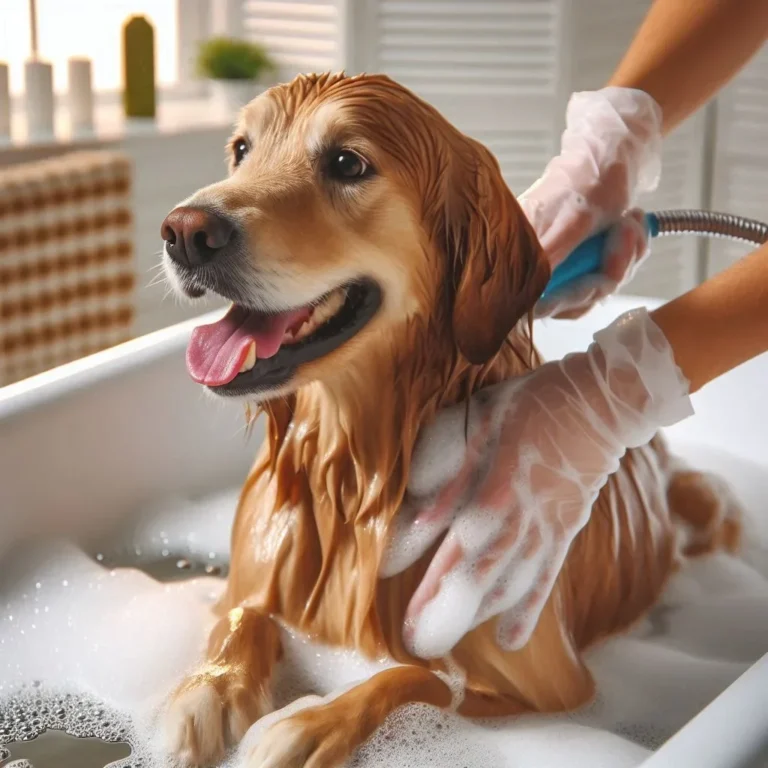
Grooming is more than just making your dog look good—it’s essential for their health and hygiene. Regular grooming helps prevent matting, reduces shedding, and keeps their skin healthy. Here’s how to groom your dog effectively:
- Brush Their Coat: Depending on your dog’s coat type, brush them daily or several times a week. This helps remove tangles and mats and distributes natural oils for a healthy coat.
- Trim Nails: Long nails can cause discomfort and health issues. Trim your dog’s nails regularly or take them to a groomer.
- Clean Ears: Check your dog’s ears weekly for dirt, wax, or signs of infection. Clean them with a dog-safe ear cleaner.
- Bathe as Needed: Different breeds have different grooming needs. Some dogs need frequent baths, while others only need an occasional wash. Use a gentle dog shampoo to avoid drying out their skin.
4. Provide Mental Stimulation
Dogs are intelligent animals that need mental stimulation to prevent boredom and stress. Mental stimulation can be provided through play, training, and socialization. Here are some ways to challenge your dog’s mind:
- Puzzle Toys: Fill puzzle toys with your dog’s favorite treats or kibble. These toys challenge your dog to figure out how to get the treats out, keeping them occupied and engaged.
- Scent Games: Hide treats or toys with a strong scent around the house or yard. Encourage your dog to find them using their sense of smell.
- Training Sessions: Spend time each day training your dog. Whether it’s teaching basic commands or advanced tricks, training provides mental stimulation and strengthens your bond.
- Socialization: Socialization is important for your dog’s emotional health. Introduce your dog to new people, places, and other animals to help them become confident and well-adjusted.
5. Regular Health Checks
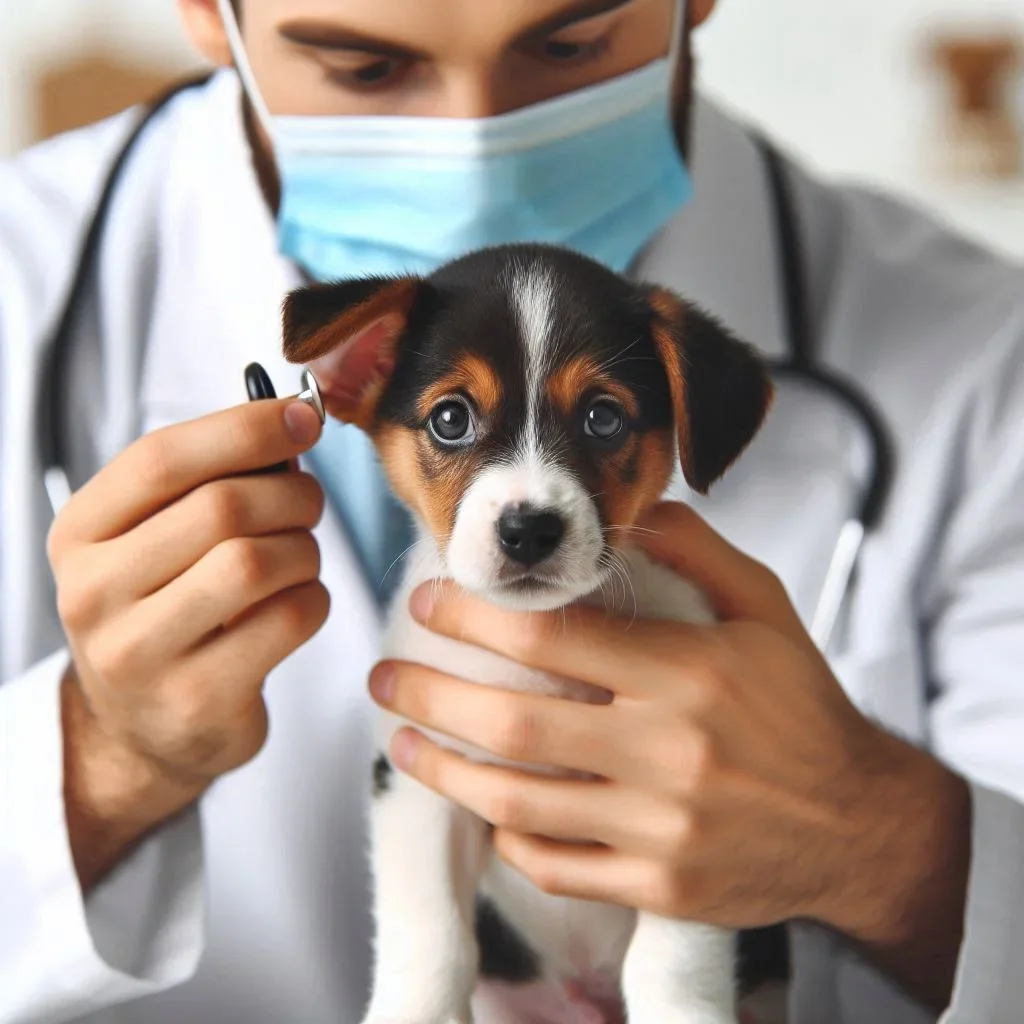
Regular health checks are essential for maintaining your dog’s health. By monitoring your dog’s health daily, you can catch potential issues early on. Here’s what to look for:
- Monitor Their Appetite: A sudden change in appetite could indicate an underlying health issue.
- Check for Signs of Illness: Look for symptoms like vomiting, diarrhea, lethargy, or difficulty breathing. If you notice any unusual behavior, consult your veterinarian.
- Inspect Their Body: Regularly check your dog’s body for lumps, bumps, or skin changes. Early detection of health issues can lead to better treatment outcomes.
- Dental Health: Check your dog’s teeth for tartar buildup or bad breath. Regular dental care, including brushing their teeth and providing dental chews, can help prevent dental problems.
6. Create a Safe Environment
Your home should be a safe and comfortable place for your dog. By creating a safe environment, you can protect your dog from potential hazards and ensure their well-being. Here are some tips for creating a safe environment:
- Remove Hazards: Keep toxic substances, electrical cords, and fragile items out of your dog’s reach.
- Provide a Comfortable Space: Make sure your dog has a comfortable place to rest, such as a dog bed or crate with soft bedding.
- Supervise: Always supervise your dog, especially in new or unfamiliar environments, to ensure their safety.
- Keep Your Yard Secure: If your dog spends time in the yard, make sure the fence is secure to prevent them from escaping or being injured.
7. Establish a Routine
Dogs thrive on routine, as it provides a sense of stability and structure. Establishing a daily routine helps your dog feel secure and can improve their behavior. Here are some ways to create a routine for your dog:
- Meal Times: Feed your dog at the same times each day to establish a feeding routine.
- Exercise Schedule: Stick to a regular exercise schedule, such as morning and evening walks or playtime.
- Sleep Schedule: Dogs need plenty of rest, so ensure they have a consistent sleep schedule. Most dogs need 12-14 hours of sleep per day.
- Playtime: Incorporate regular playtime into your dog’s daily routine to keep them mentally and physically stimulated.
8. Train and Socialize
Training and socialization are crucial for your dog’s emotional and behavioral development. Proper training helps your dog understand what is expected of them, while socialization helps them interact confidently with others. Here are some tips for training and socializing your dog:
- Basic Obedience Training: Teach your dog basic commands like “sit,” “stay,” “come,” and “leave it.” These commands can help keep your dog safe and improve their behavior.
- House Training: If your dog isn’t already house-trained, establish a routine that takes them outside after meals, naps, and playtime. Consistency is key to successful house training.
- Positive Reinforcement: Use positive reinforcement techniques, such as treats and praise, to encourage good behavior.
- Socialization: Socialization is important for your dog’s emotional health. Introduce your dog to new people, places, and other animals to help them become confident and well-adjusted.
9. Veterinary Care
Regular veterinary care is essential for maintaining your dog’s health. Here’s how to ensure your dog receives proper veterinary care:
- Regular Check-Ups: Schedule regular check-ups with your veterinarian to monitor your dog’s health and catch potential issues early.
- Vaccinations: Keep your dog up-to-date on all necessary vaccinations to protect them from preventable diseases.
- Parasite Control: Use flea, tick, and heartworm prevention medication as recommended by your veterinarian to protect your dog from parasites.
- Emergency Preparedness: Know what to do in case of a veterinary emergency, such as keeping your veterinarian’s contact information handy and knowing the location of the nearest emergency animal hospital.
10. Show Love and Affection
Dogs thrive on love and attention. Showing your dog love and affection strengthens your bond and improves their emotional well-being. Here are some ways to show your dog love and affection:
- Spend Quality Time: Spend quality time with your dog, whether it’s going for a walk, playing a game, or simply cuddling on the couch.
- Give Treats: Reward your dog with treats for good behavior or simply as a way to show your love.
- Verbal Affection: Talk to your dog in a loving and positive tone. Dogs respond to the tone of your voice and can sense when you’re happy or upset.
- Physical Affection: Show your dog physical affection, such as petting, hugging, or giving massages. Physical touch is an important way to show your dog love and affection.
Conclusion
Raising a happy and healthy dog requires a commitment to daily care. By providing a nutritious diet, regular exercise, grooming, mental stimulation, a safe environment, and love and affection, you can help your dog lead a fulfilling life. Remember, every dog is unique, so tailor your care routine to meet your dog’s individual needs. With consistent care and attention, you can help your dog thrive and enjoy many happy years together.