Best Nutrition Tips for Keeping Your Cat Healthy and Energetic
Providing your cat with the right nutrition is essential for maintaining their health and energy levels. As a responsible cat parent, understanding what your cat needs to thrive can make a significant difference in their overall well-being. Here are some tailored tips to guide you in making informed decisions about your cat’s diet.
1. Prioritize High-Quality Protein
Cats, as obligate carnivores, require a diet rich in high-quality animal protein. Look for ingredients like chicken, turkey, or salmon as the primary sources. Avoid fillers that provide little nutritional value. Consult your vet to determine the best sources for your cat’s specific needs.
2. Hydration is Key
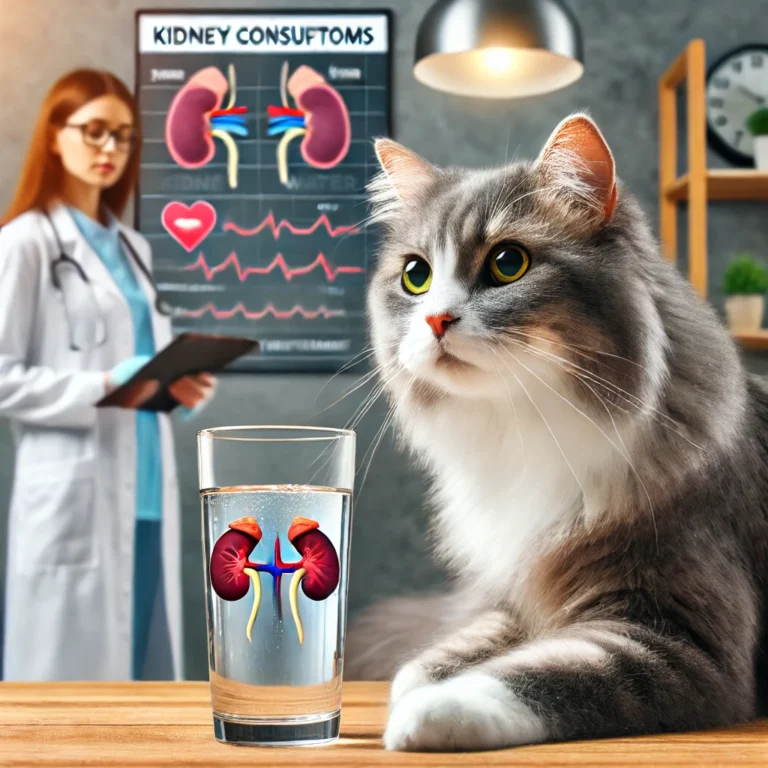
Encourage your cat to drink more water by placing water bowls in multiple locations. Wet food can also contribute to their hydration, making it a great addition to their diet, especially for cats prone to urinary issues.
3. Wet vs. Dry Food
While both have benefits, wet food typically offers higher moisture content, which is beneficial for hydration. Dry food can help with dental health. A balanced mix of both can provide variety and meet different needs.
4. Avoid Fillers and By-Products
Fillers like corn and wheat add bulk without nutritional value. Opt for foods with named protein sources like ‘chicken meal’ instead of generic terms. Always read labels carefully.
5. Portion Control
Monitor food portions to prevent obesity, which can lead to health issues. Use a food scale or measuring cups to ensure youre feeding the right amount for your cat’s size and activity level.
6. Consider Raw or Homemade Diets Carefully
While some swear by raw diets for their health benefits, they can pose risks such as bacterial contamination. If considering a homemade diet, consult a vet to ensure it’s balanced. Avoid harmful ingredients like onions and chocolate.
7. Supplements with Caution
Most commercial cat foods are nutritionally complete, but if your vet recommends supplements, consider high-quality fish oil for skin health or joint supplements for older cats. Always consult a professional before adding anything new.
8. Debunk Common Myths
Myths, such as all grain-free diets being superior or the safety of table scraps, can mislead. Grains can be beneficial, and table scraps often harm cats.
9. Age and Lifestyle Matters
Kittens need more protein and calories. Senior cats might require adjustments for weight or joint health. Outdoor cats may need more calories than indoor ones. Your vet can help tailor the diet to these factors.
10. Transition Diets Gradually
Changing your cat’s food too quickly can cause digestive upset. Introduce new foods slowly, starting with small amounts mixed with their current diet over 7-10 days.
By following these tips, you can help your cat maintain a healthy, energetic lifestyle. Always consult your vet for personalized advice to ensure the best for your pet.
Remember, every cat is unique, and what works for one may not work for another. Stay informed, keep communication open with your vet, and watch your cat thrive with a well-chosen diet.