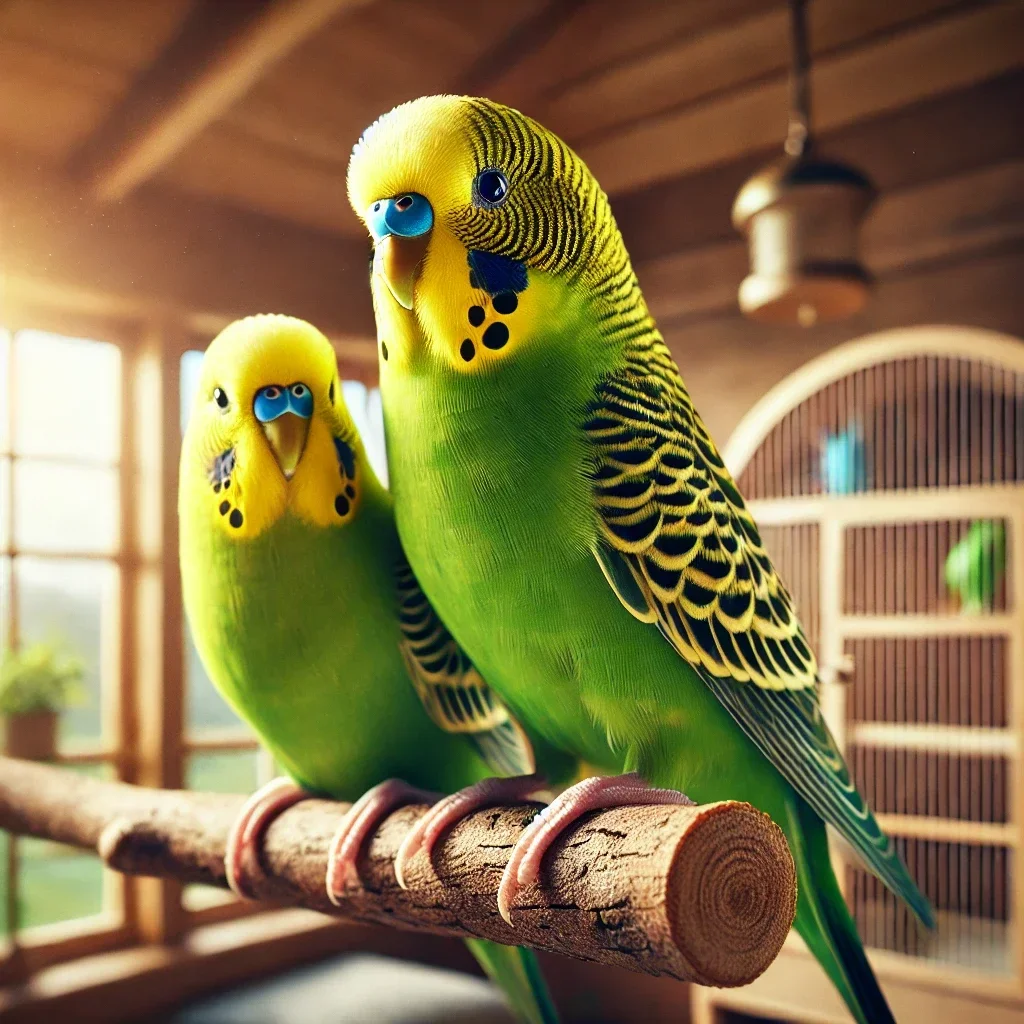
How to Train and Bond with Your Pet Bird
Welcoming a pet bird into your home can be an incredibly rewarding experience. Birds are intelligent, social, and fascinating creatures, capable of forming strong bonds with their human companions. However, building that bond and training your feathered friend requires patience, consistency, and understanding. Whether you’re a seasoned bird owner or a newcomer to the world of avian companionship, this guide will walk you through the essential steps to train and bond with your pet bird.
1. Creating a Safe and Welcoming Environment
Before you even begin training, it’s crucial to ensure your bird feels safe and comfortable in its new environment. Birds are naturally cautious creatures, and a stressful or unsafe environment can hinder the bonding process.
Choosing the Right Cage
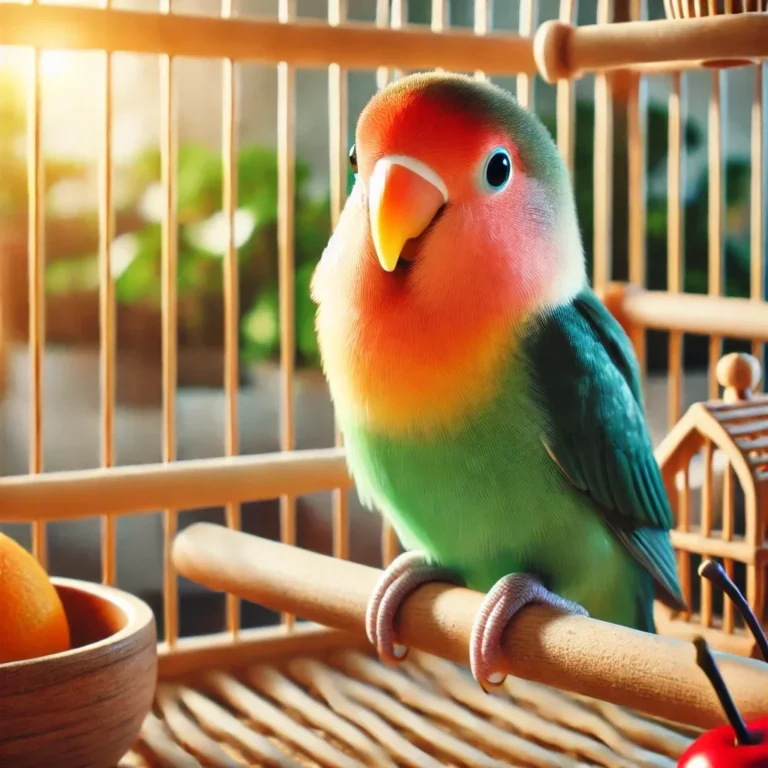
Your bird’s cage should be spacious enough to allow for movement and exercise. The cage should be well-ventilated and placed in a quiet, draft-free area of your home. Avoid placing the cage near windows or doors where your bird might be exposed to predators or extreme temperatures.
Providing Essential Accessories
Stock the cage with the necessary accessories, such as a variety of perches, toys, and a water bowl and food dish. Rotate the toys regularly to keep your bird entertained and stimulated. Include a cuttlebone or mineral block to help maintain your bird’s beak and provide essential minerals.
Safety-Proofing Your Home
If you plan to allow your bird to fly freely outside of its cage, make sure your home is bird-proofed. Remove any hazardous objects, secure loose wires, and cover windows to prevent accidents.
2. Establishing Trust
Trust is the foundation of any successful relationship, and this is especially true when it comes to birds. Building trust with your bird will take time, but with consistency and patience, you can create a strong bond.
Moving at Your Bird’s Pace
Every bird is different, and some may take longer than others to warm up to their new environment and owner. Start by letting your bird get used to your presence without forcing interaction. Sit near the cage, speak calmly, and offer treats to help your bird associate you with positive experiences.
Gentle Handling
Once your bird seems comfortable with your presence, you can begin introducing gentle handling. Start by offering your hand for your bird to land on, using a treat as an incentive. Be patient and avoid sudden movements, as this can startle your bird and undo the progress you’ve made.
Rewarding Good Behavior
Positive reinforcement is a powerful tool in training and bonding with your bird. Reward desired behaviors, such as stepping onto your hand or mimicking sounds, with treats, praise, and affection. Avoid punishing or scolding your bird for misbehavior, as this can lead to fear and mistrust.
3. Training Your Bird
Training not only helps establish a routine for your bird but also strengthens the bond between you and your feathered companion. Birds are highly intelligent, and with the right approach, they can learn a variety of tricks and commands.
Teaching Basic Commands
Start with simple commands, such as “Step up” or “Step down,” to help your bird learn to move between perches or onto your hand. Use a treat to guide your bird and reward them once they’ve performed the desired action. Consistency is key, so use the same command every time to avoid confusion.
Encouraging Vocalization
Many birds are natural mimics, and teaching your bird to talk or whistle can be a fun and rewarding experience. Start by repeating simple words or phrases and reward your bird when they mimic the sounds. Be patient, as some birds may take longer to develop their vocal skills.
Training for Socialization
Socialization is an important part of your bird’s development. Introduce your bird to new people, other pets, and different environments to help them become confident and calm in new situations. Start with small, controlled interactions and gradually increase exposure as your bird becomes more comfortable.
4. Bonding Through Play and Interaction
Play is an essential part of bonding with your bird, as it provides mental and physical stimulation and strengthens your relationship.
Engaging in Play
Spend time each day engaging in play with your bird. Offer a variety of toys, such as puzzle toys, chew toys, and interactive games, to keep your bird entertained and stimulated. Playtime is also an opportunity to bond, as your bird will associate these activities with positive interactions with you.
Encouraging Foraging Behavior
In the wild, birds spend a significant amount of time foraging for food. Provide your bird with foraging toys or hide treats around the cage to encourage this natural behavior. This not only keeps your bird mentally stimulated but also strengthens your bond as your bird learns to rely on you for their needs.
Sharing Mealtime
Mealtime can be a great opportunity to bond with your bird. Offer fresh fruits, vegetables, and treats by hand, allowing your bird to associate you with their food source. This can help reinforce the trust between you and your bird and create a sense of closeness.
5. Building a Routine
Birds thrive on routines, and establishing a consistent daily schedule can help your bird feel secure and understand what to expect.
Establishing a Daily Schedule
Create a daily routine that includes regular feeding times, playtime, and quiet time. This routine will help your bird feel secure and establish a sense of order in their life. Stick to the schedule as closely as possible, even on weekends or days off.
Encouraging Independence
While bonding with your bird is important, it’s also crucial to encourage independence. Allow your bird time to explore and play on their own, as this helps build confidence and reduces dependency on your constant presence.
Providing Mental Stimulation
Birds are intelligent creatures and need mental stimulation to prevent boredom and stress. Provide a variety of toys, puzzles, and activities that challenge your bird and keep them engaged. Rotate toys regularly to keep your bird interested and prevent them from becoming bored with the same objects.
6. Understanding and Managing Behavioral Challenges
Like any pet, birds can develop behavioral issues, such as screaming, feather plucking, or aggression. Understanding the root cause of these behaviors and addressing them appropriately is essential for maintaining a healthy and happy relationship with your bird.
Identifying the Cause
Behavioral issues in birds are often a sign of underlying stress, boredom, or medical problems. Observe your bird’s behavior and look for potential causes, such as lack of stimulation, changes in the environment, or health issues. Consult a veterinarian if you suspect a medical problem.
Addressing Behavioral Issues
Once you’ve identified the cause of the problem, you can take steps to address it. For example, if your bird is screaming due to boredom, provide more toys and stimulation. If your bird is aggressive, establish clear boundaries and use positive reinforcement to encourage good behavior.
Seeking Professional Help
If your bird’s behavioral issues persist despite your best efforts, consider seeking help from a professional bird trainer or behaviorist. They can provide personalized advice and techniques to help you address the problem and improve your relationship with your bird.
7. Strengthening the Bond Through Touch
Birds are naturally tactile creatures, and physical contact can play an important role in strengthening the bond between you and your feathered friend.
Gently Petting Your Bird
Many birds enjoy being gently petted or stroked, especially on the head, neck, and back. Start with light, gentle touches and observe your bird’s reaction. If they seem to enjoy it, you can gradually increase the time spent petting them. Be respectful of their personal space and avoid forcing physical contact if your bird is not in the mood.
Offering Treats by Hand
Offering treats by hand is a great way to strengthen the bond between you and your bird. Use healthy, nutrient-rich treats, such as sunflower seeds or fresh fruits, and offer them slowly and gently. This helps your bird associate your hand with positive experiences and reinforces trust.
Cuddling and Snuggling
Some birds enjoy cuddling and snuggling with their owners, while others prefer to maintain their independence. Observe your bird’s preferences and respect their boundaries. If your bird enjoys close contact, you can gradually introduce cuddling as a way to strengthen your bond.
8. The Importance of Socialization
Birds are social animals and benefit greatly from interaction with other birds and people. Socialization is crucial for their emotional and mental well-being.
Introducing Your Bird to Other Birds
If you have multiple birds, socialization can be as simple as allowing them to interact in a shared space. However, introducing birds to each other requires careful planning and observation to ensure compatibility and prevent aggression.
Socializing with People
Help your bird become confident in the presence of other people by introducing them to a variety of individuals. Start with small, controlled interactions and gradually increase exposure as your bird becomes more comfortable. This will help your bird become less skittish and more adaptable to new situations.
Participating in Bird-Friendly Activities
Engage in bird-friendly activities, such as visiting pet bird meetups or participating in bird-watching excursions, to provide your bird with opportunities to interact with other birds and people in a safe and controlled environment.
9. Final Thoughts on Training and Bonding
Training and bonding with your pet bird is a journey that requires patience, understanding, and a commitment to your feathered companion. By creating a safe and welcoming environment, establishing trust, and engaging in play and interaction, you can build a strong and lasting bond with your bird.
Remember, every bird is unique, and what works for one bird may not work for another. Be flexible, stay consistent, and always prioritize your bird’s well-being. With time and effort, you and your bird can enjoy a rewarding and fulfilling relationship filled with trust, love, and companionship.