Essential Pet Safety Tips Every Owner Should Follow
Essential Pet Safety Tips Every Owner Should Follow
As a pet owner, ensuring the safety and well-being of your furry friend is one of the most important responsibilities you have. Pets are not just animals; they are beloved members of the family who depend on us for their care and protection. Whether you’re a seasoned pet owner or a new one, it’s crucial to be aware of potential dangers and take proactive steps to safeguard your pet’s health and safety.
In this blog post, we’ll explore some essential pet safety tips that every owner should follow. These tips will help you create a safe environment for your pet, prevent accidents, and ensure that your furry companion lives a happy and healthy life.
1. Create a Pet-Friendly Home Environment
One of the most critical aspects of pet safety is creating a pet-friendly home environment. Pets, especially curious ones, can easily get into trouble if they have access to hazardous items. Here are some steps you can take to pet-proof your home:
- Secure Toxic Substances: Keep all toxic substances, such as cleaning products, medications, and pesticides, out of your pet’s reach. Even a small amount of these substances can be deadly to your pet.
- Electrical Safety: Pets, especially cats, often like to chew on electrical cords. To prevent electrical shock or fires, keep all cords and wires out of reach or use cord protectors. You can also install tamper-resistant outlets to prevent your pet from inserting objects into electrical outlets.
- Avoid Hazardous Plants: Some plants are toxic to pets. Before bringing any plant into your home, make sure it’s safe for your pet. Common toxic plants include lilies, sago palms, and tulips.
- Secure Furniture and Appliances: Heavy furniture and appliances can tip over and cause serious injury to your pet. Use furniture brackets to secure heavy items and ensure that your pet cannot climb onto unstable surfaces.
2. Be Prepared for Emergencies
Emergencies can happen at any time, and being prepared is key to ensuring your pet’s safety. Here are some steps you can take to be ready for any emergency situation:
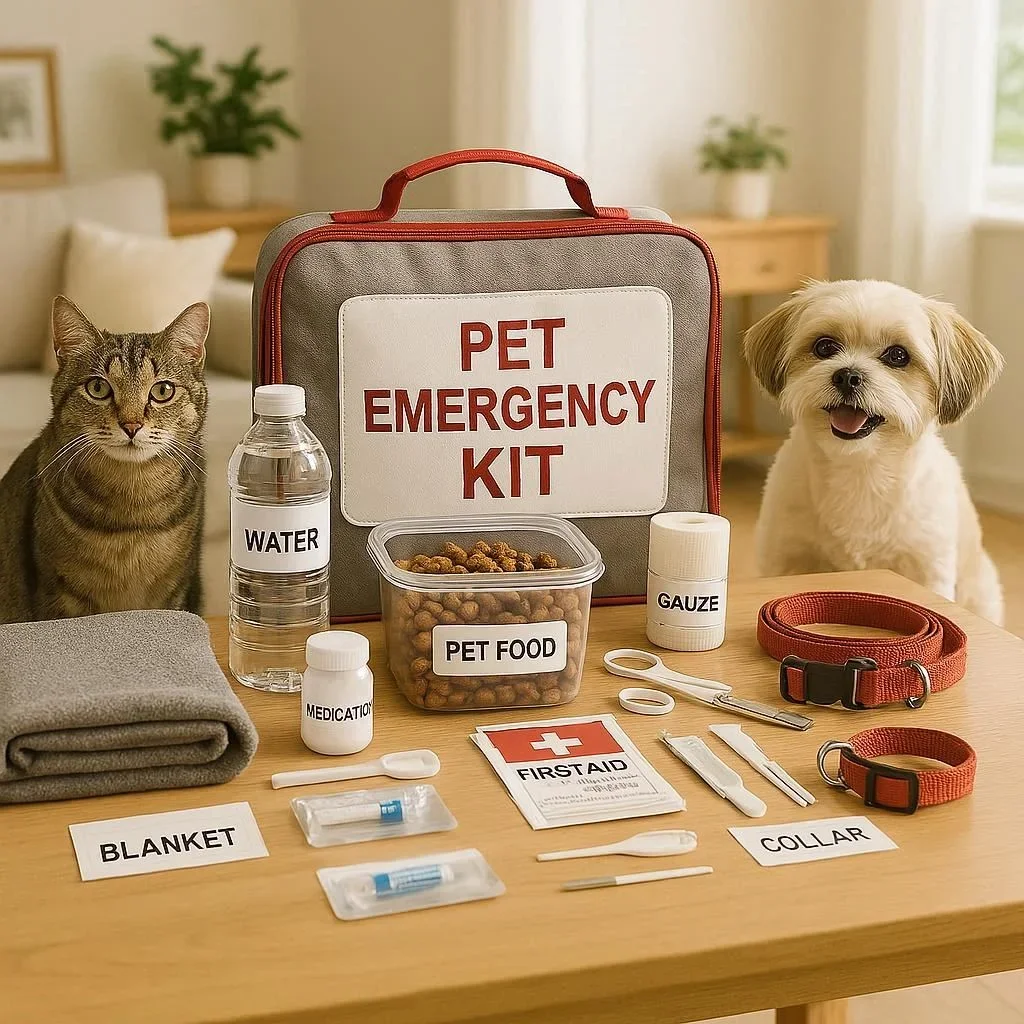
- Have a Pet Emergency Kit: Create a pet emergency kit that includes essential items such as a first aid kit, a list of emergency contact numbers, a recent photo of your pet, a leash or carrier, and enough food and water for at least three days. This kit will help you quickly respond to an emergency and keep your pet safe.
- Microchip Your Pet: Microchipping your pet is one of the best ways to ensure that they can be identified and returned to you if they ever get lost. Make sure to keep your contact information up to date in the microchip registry.
- ID Tags Are Essential: In addition to a microchip, make sure your pet wears an identification tag with your name and contact information. This can help ensure that your pet is quickly returned to you if they get lost.
- Know Your Emergency Contacts: Keep a list of important phone numbers, such as your veterinarian, a local pet hospital, and a pet poison hotline. Having these numbers handy can save valuable time in an emergency.
- Stay Informed: Stay informed about potential dangers in your area, such as natural disasters, dangerous animals, or toxic substances in the environment. Knowing what to watch out for can help you take steps to protect your pet.
3. Ensure Your Pet’s Outdoor Safety
If your pet spends time outdoors, there are several steps you can take to ensure their safety. Here are some tips for outdoor pet safety:
- Use a Leash orHarness: Always use a leash or harness when walking your pet. This will help prevent your pet from running off or getting into danger. Choose a comfortable, well-fitting leash or harness that allows your pet to move freely but keeps them under your control.
- Outdoor ID Tags: Make sure your pet wears an identification tag when they are outdoors. If your pet gets lost, an ID tag can help ensure that they are returned to you quickly.
- Be Cautious with Strangers: Teach your pet to be cautious around strangers, especially if you’re in an area where other people or animals may be present. Always keep an eye on your pet and avoid letting them interact with people or animals you don’t know.
- Keep Your Pet Safe in the Car: When traveling with your pet, make sure they are safely secured in the car. Use a pet carrier or a seatbelt harness to prevent your pet from moving around while the car is in motion. Never leave your pet alone in a parked car, as this can quickly become a dangerous situation due to heat or cold.
- Prevent Parasites: When your pet is outdoors, they may be exposed to parasites like ticks, fleas, and heartworms. Use preventative medications as recommended by your veterinarian to protect your pet from these parasites.
4. Monitor Your Pet’s Diet
What your pet eats is crucial to their health and safety. Here are some dietary safety tips to keep in mind:
- Avoid Toxic Foods: Some foods that are safe for humans can be toxic to pets. Chocolate, grapes, raisins, onions, garlic, and xylitol are just a few examples of foods that can be dangerous to your pet. Keep these foods out of reach and educate yourself on what human foods are safe for your pet.
- Provide a Balanced Diet: Ensure that your pet is eating a balanced, nutritious diet. Consult with your veterinarian to determine the best food for your pet based on their age, health, and lifestyle.
- Keep Trash Cans Secure: Pets are often tempted by the smell of food in the trash, but eating garbage can be hazardous to their health. Use a trash can with a secure lid or keep it in a location where your pet cannot access it.
- Store Medications Safely: Just like with toxic substances, medications should be kept out of your pet’s reach. Even over-the-counter medications can be dangerous to pets, so make sure to store them in a safe place.
5. Monitor Your Pet’s Health
Regular monitoring of your pet’s health is essential for their safety and well-being. Here are some tips for monitoring your pet’s health:
- Regular Veterinary Check‑Ups: Schedule regular veterinary check‑ups to ensure that your pet is healthy and to catch any potential health issues early. Your veterinarian can also provide advice on preventative care and answer any questions you may have.
- Prevent Parasites: In addition to outdoor parasites, internal parasites like worms can also affect your pet’s health. Use preventative medications as recommended by your veterinarian to protect your pet from internal parasites.
- Mental Health Matters: Just like humans, pets can experience mental health issues such as anxiety, depression, and stress. Monitor your pet’s behavior and look for signs of mental health concerns. If you notice any unusual behavior, consult with your veterinarian for advice on how to help your pet.
- Watch for Signs of Illness: Be attentive to any changes in your pet’s behavior or physical condition. Signs of illness may include lethargy, loss of appetite, vomiting, diarrhea, or difficulty breathing. If you notice any of these symptoms, contact your veterinarian immediately.
6. Keep Your Pet Safe During Seasonal and Holiday Celebrations
Seasonal and holiday celebrations can present unique dangers for pets. Here are some tips for keeping your pet safe during these times:
- Summer Safety: During the summer months, heatstroke is a serious concern for pets. Never leave your pet in a hot car, and make sure they have access to plenty of fresh water and shade. Also, be cautious of hot surfaces like pavement, which can burn your pet’s paws.
- Winter Safety: In the winter, cold weather can be just as dangerous as heat. Keep your pet indoors during extreme cold snaps, and make sure they have a warm, dry place to sleep. Also, be cautious of ice and snow, which can cause slipping and falling.
- Holiday Dangers: Holidays often bring additional hazards for pets, such as decorations, electrical lights, and certain types of plants. Keep decorations out of reach, avoid using electrical lights that your pet could chew on, and be aware of toxic plants like poinsettias and holly.
- Fireworks and Noise: Fireworks and other loud noises can be terrifying for pets. During fireworks displays, keep your pet indoors and try to minimize their exposure to the noise. You can also use calming aids like pheromone diffusers or calming music to help your pet remain calm.
Conclusion
Keeping your pet safe and healthy requires attention to detail, preparation, and a commitment to their well-being. By following these essential pet safety tips, you can create a safe environment for your pet, prevent accidents, and ensure that they live a happy and healthy life. Remember, your pet is counting on you to protect them, so take the necessary steps today to ensure their safety and security. Whether it’s pet-proofing your home, being prepared for emergencies, or monitoring their health, every effort you make can help keep your pet safe and sound. By being vigilant and proactive, you can help your furry friend enjoy a long and fulfilling life by your side.