Creating the Perfect Bird Cage Setup for Comfort and Safety
Birds are wonderful companions, bringing joy and vibrancy to any home. However, ensuring their well-being requires careful thought and preparation. One of the most critical aspects of bird care is setting up the perfect bird cage. A well-designed bird cage not only provides your feathered friend with a comfortable living space but also ensures their safety and happiness. In this comprehensive guide, we’ll walk you through the essential steps to create the ideal bird cage setup for your avian companion.
Choosing the Right Cage
The first step in creating the perfect bird cage setup is selecting the right cage. The size, material, and design of the cage play a crucial role in your bird’s comfort and safety. Here are some factors to consider:
1. Size Matters
When it comes to bird cages, bigger is always better. Birds need ample space to move around, stretch their wings, and exercise. A cage that is too small can lead to stress, health problems, and behavioral issues. The cage should be large enough for your bird to stand upright, flap its wings without hitting the sides, and move freely.
The minimum cage size recommended for different bird species varies, but a good rule of thumb is to choose a cage that is at least twice the length of your bird’s wingspan. For larger birds, such as parrots or macaws, you may need an even bigger cage or even an aviary.
2. Bar Spacing and Material
Another important factor to consider is the spacing between the bars. The bars should be spaced in such a way that your bird cannot get its head or body stuck. The spacing should also be narrow enough to prevent your bird from escaping.
For smaller birds, such as canaries or finches, bar spacing should be no more than 1 inch apart. For larger birds, the spacing can be wider, but it should still be secure. The material of the cage is also crucial. Stainless steel or powder-coated cages are durable and easy to clean, making them a great option for bird owners.
3. Cage Shape
The shape of the cage can also impact your bird’s comfort. Round cages are a popular choice because they have no sharp corners and provide a stress-free environment. However, rectangular cages are also a good option as they offer more space and can be easier to clean.
Accessories for a Comfortable Bird Cage
Once you’ve selected the perfect cage, the next step is to accessorize it with everything your bird needs to thrive. Here are some essential accessories to include:
1. Perches
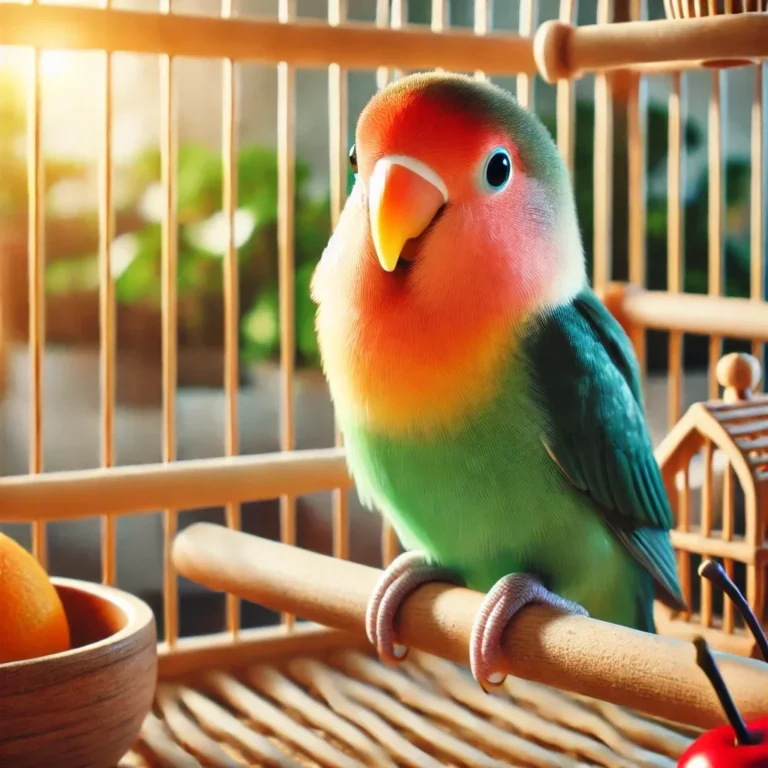
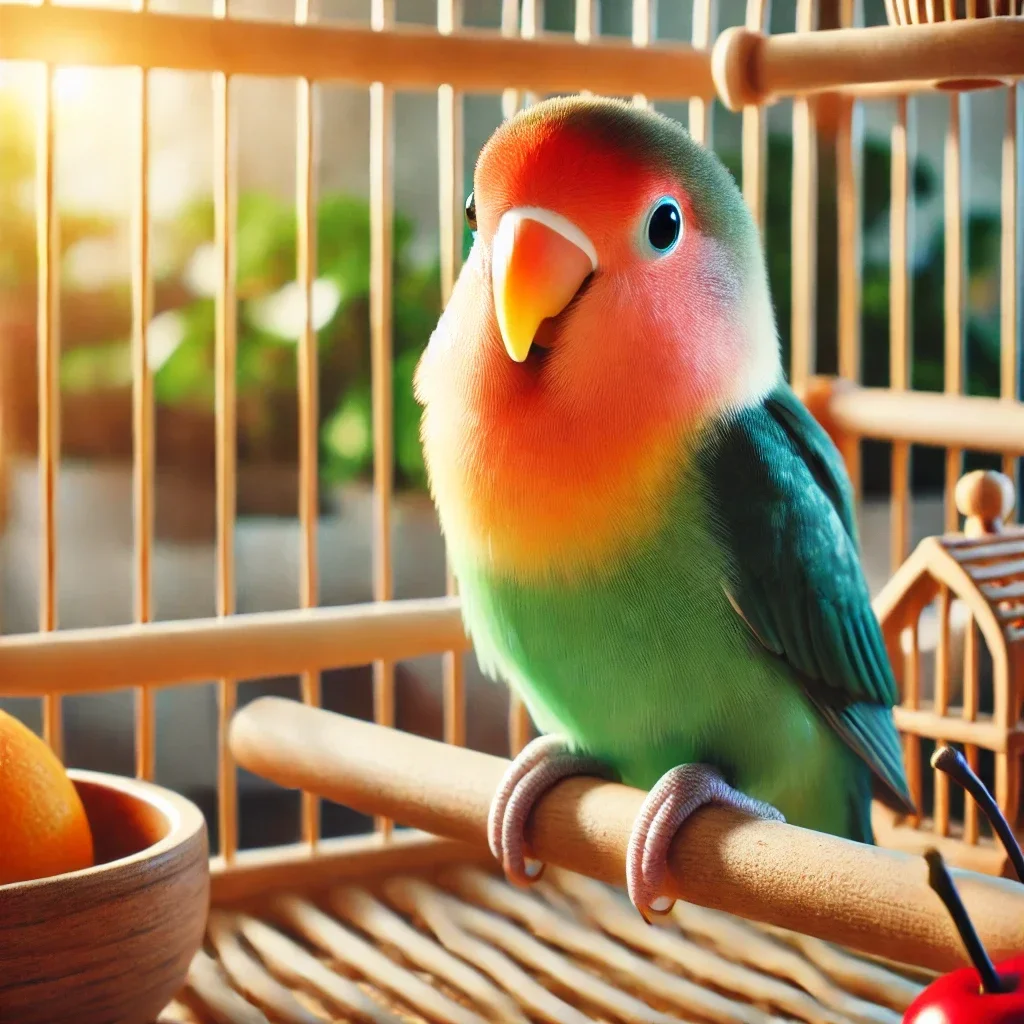
Perches are a must-have in any bird cage. They provide your bird with a place to rest, exercise, and grip. Make sure to include a variety of perches in different sizes and materials to keep your bird’s feet healthy and strong. Natural wood perches are ideal, as they mimic the bird’s natural habitat.
2. Food and Water Dishes
Stainless steel or ceramic dishes are the best options for food and water. They are easy to clean and can’t be easily tipped over. Place the dishes in a corner of the cage to save space and keep them away from perches to prevent waste.
3. Toys and Enrichment
Birds are intelligent creatures that need mental and physical stimulation. Include a variety of toys, such as chew toys, swings, and interactive toys, to keep your bird entertained and engaged. Rotate the toys regularly to keep your bird interested and prevent boredom.
4. Nesting Material
If you have a breeding pair or a bird that enjoys nesting, include some nesting material like wood shavings or paper-based products. This will make your bird feel secure and provide a sense of nesting comfort.
Creating a Safe Environment
A safe environment is crucial for your bird’s well-being. Here are some tips to ensure your bird’s cage is safe and secure:
1. Avoid Placing the Cage in Direct Sunlight
While birds enjoy sunlight, direct sunlight can be harmful if it’s too intense. Place the cage near a window but ensure that it’s shaded to prevent overheating. Also, avoid placing the cage in drafty areas to keep your bird comfortable.
2. Keep the Cage Clean
A clean cage is essential for your bird’s health. Clean the cage regularly by removing soiled bedding, washing food and water dishes, and disinfecting all surfaces. Use a pet-safe cleaning product to ensure your bird’s safety.
3. Secure the Cage
Make sure the cage is securely closed to prevent your bird from escaping. Check the locks and latches regularly to ensure they are in good working condition. If you have a clever bird that likes to escape, consider adding an additional lock for extra security.
4. Monitor Temperature
Birds are sensitive to temperature changes, so it’s important to monitor the temperature in the room where the cage is placed. The ideal temperature for most birds is between 65°F and 75°F. Avoid placing the cage near heating or cooling vents, fireplaces, or drafty windows.
Health and Well-being
A comfortable and safe bird cage setup is not just about the physical environment but also about your bird’s health and well-being. Here are some additional tips to ensure your bird stays healthy and happy:
1. Provide a Balanced Diet
A balanced diet is essential for your bird’s overall health. Provide a variety of foods, including high-quality pellets, fresh fruits, and vegetables. Avoid giving your bird avocado, chocolate, or caffeine, as these can be toxic.
2. Ensure Adequate Exercise
Exercise is crucial for your bird’s physical and mental health. Allow your bird to exercise outside of its cage daily, either on a playstand or by flying freely in a safe, bird-proofed room. Supervise your bird during exercise to ensure its safety.
3. Monitor for Signs of Illness
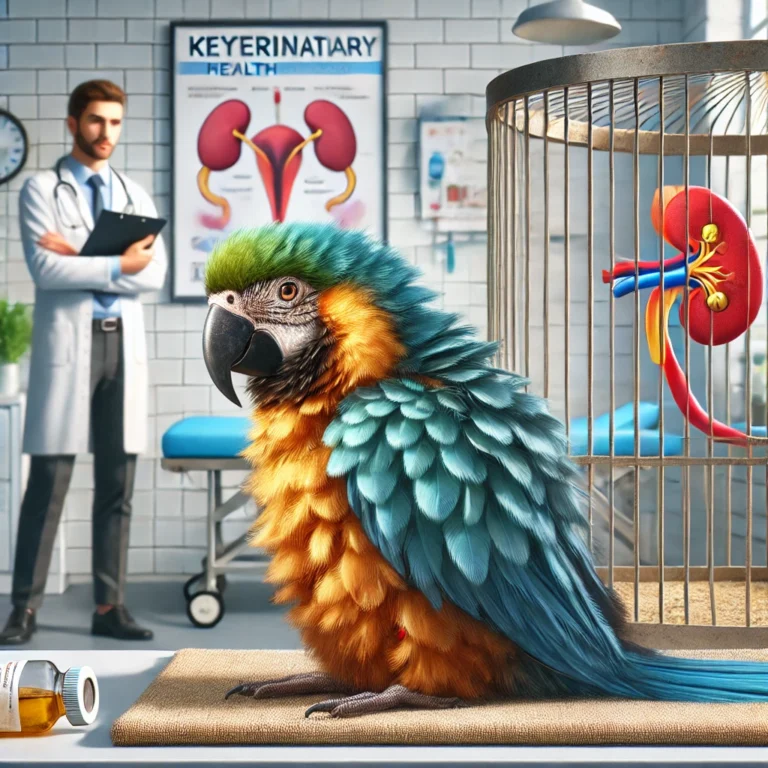
Keep an eye on your bird’s behavior and physical condition. Look for signs of illness, such as feather plucking, labored breathing, or changes in droppings. If you notice any unusual behavior, consult a veterinarian experienced in bird care immediately.
Common Mistakes to Avoid
Setting up the perfect bird cage is not just about following the right steps; it’s also about avoiding common mistakes that can harm your bird’s health and well-being. Here are some common mistakes to steer clear of:
1. Overcrowding the Cage
Avoid overcrowding the cage with too many toys, perches, or accessories. Overcrowding can make the cage feel cramped and stressful for your bird. Provide enough space for your bird to move around comfortably.
2. Using the Wrong Bedding
Some materials, such as pine shavings, can be harmful to birds if inhaled. Opt for safe bedding options like paper-based products or natural fiber mats. Avoid using sand or gravel, as they can cause respiratory issues.
3. Ignoring Your Bird’s Social Needs
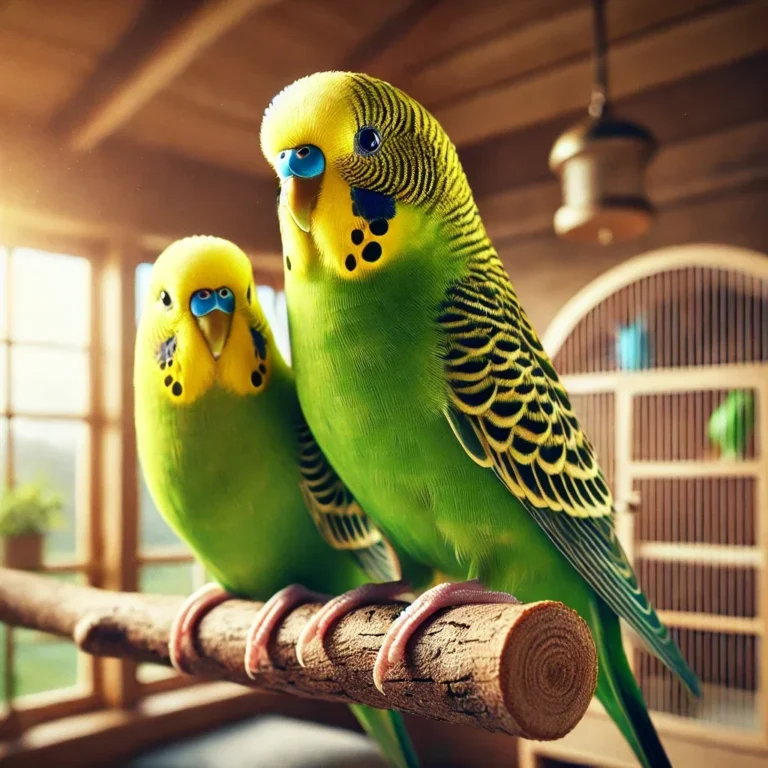
Many bird species are social and require interaction to stay happy and healthy. Spend quality time with your bird daily, engaging in activities like talking, playing, or simply sitting near the cage. If you have a single bird, consider getting a companion bird to keep it company.
Conclusion
Creating the perfect bird cage setup is a thoughtful process that requires attention to detail and a commitment to your bird’s well-being. By choosing the right cage, accessorizing it properly, creating a safe environment, and ensuring your bird’s health and happiness, you can provide your feathered friend with a comfortable and stimulating home. Remember, a happy bird is a healthy bird, and with the right setup, your bird will thrive and bring joy to your life for years to come.